

Posts found for your search:
Broad alliance for modern breeding methods
The signal effect could not be greater. The label organization IP-Suisse, the fruit, vegetable and potato producers, the agricultural cooperative Fenaco, the large retailers Coop and Migros and the consumer forum have recently joined forces under the name "Varieties for tomorrow".
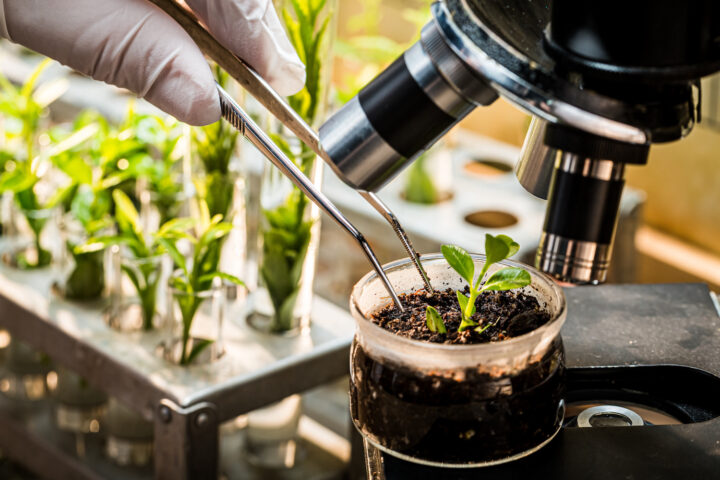
Using CRISPR/Cas9 to fight potato blight
The Nobel Prize-winning CRISPR/Cas method now makes it possible to breed resistant varieties and may reduce the use of pesticides in agriculture.

Genomic breeding methods are not given a chance to prove themselves
Modern genomic breeding methods are legally classified as genetic engineering – and are therefore still effectively blocked. Yet we have been eating genetically modified plants for decades, just under the label of “classical mutagenesis.” The new, more precise techniques are regulated more strictly than the old ones, even though they are considered safer from a scientific perspective. A contradiction that urgently needs to be corrected. The EU is setting a good example.
Challenges and opportunities of sustainable agriculture
Tomorrow's agriculture must produce more efficiently. And at the same time protect the climate and biodiversity. At the Swiss-Food Talk, three renowned, independent experts spoke about the challenges and opportunities of tomorrow's sustainable agriculture.
Content in German
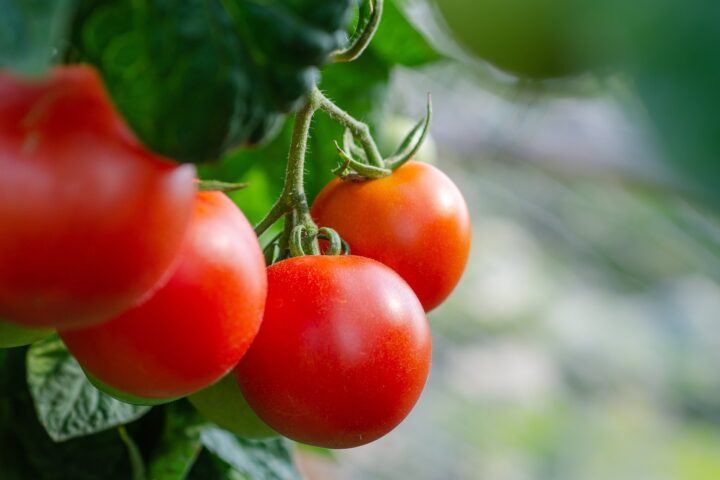
Tomatoes: From «water bomb» to aromatic fruit
The diversity of commercially marketed tomato varieties is greater today than ever before. This has to do in particular with the breeding of new varieties.
«The «Greta» generation will rigorously dispel paradigms.»
Plant breeding aims to make crops genetically fit for our needs of tomorrow. The focus here is on securing food for a growing world population without taking up more land and at the same time reducing emissions from agriculture.
Content in German

CO2 reduction with alternative artificial fertiliser
The two agrochemical producers Bayer and Syngenta are investing in an American start-up whose technology can massively reduce the use of nitrogen fertiliser.
Content in German
«What plant breeding brings us»
In times of organic boom and romanticised nature, plant breeding has a hard time. It is forgotten that humans owe their most important food suppliers to it. Almost none of what we eat today used to occur naturally in the world.
Content in German
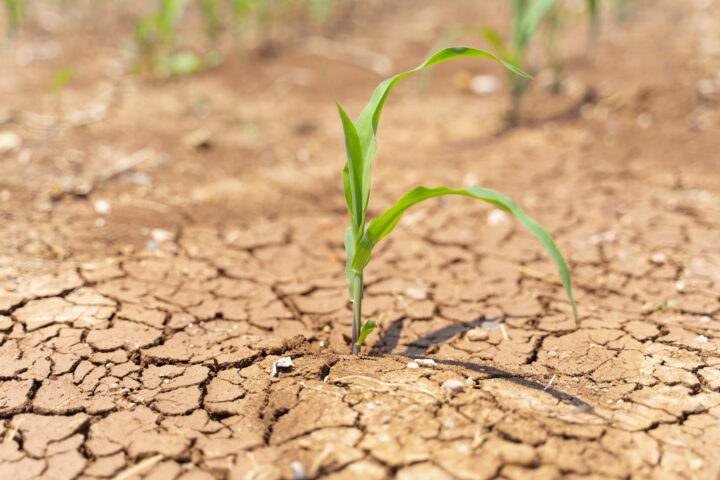
Drought-tolerant maize as a response to climate change
Climate change poses increasing challenges for agriculture. Plant breeding is therefore working at full speed to develop varieties with better resistance to environmental stress.
Content in German
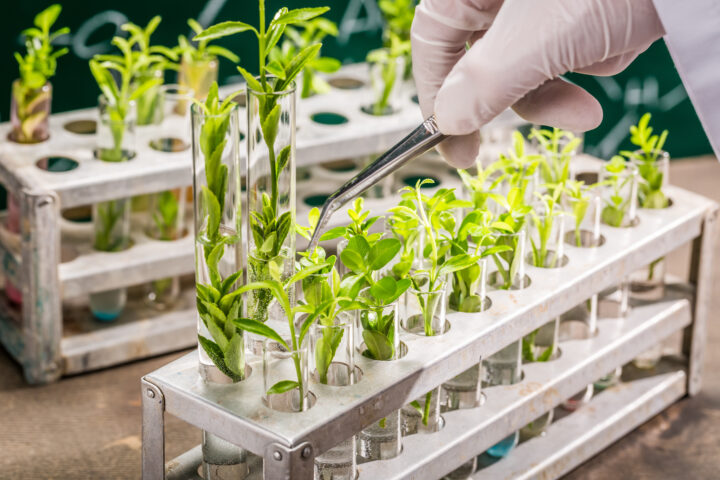
Does the world even need genome-edited plants?
This question is often raised by opponents of modern breeding methods. As is almost always the case: The market provides an answer. And it looks pretty clear.

Revolution on the farm
The CRISPR/Cas method will revolutionise parts of plant breeding. The technology is urgently needed to address the challenges facing agriculture in this century and threatening our security of supply.
Content in German
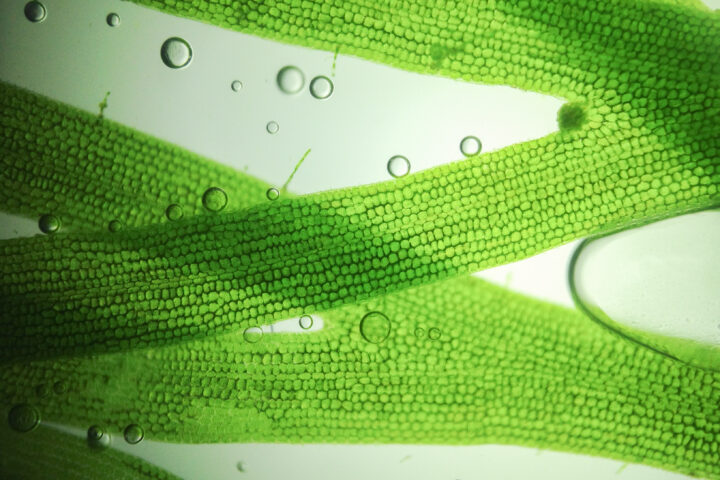
New Breeding Techniques: German Federal Minister of Research Calls for Green Light
The Federal Minister of Research has reiterated her demand to facilitate the application of new breeding techniques in Europe. As an example, she mentions the gene-editing tool CRISPR/Cas.

Popular Apple Varieties in Danger
The science magazine "Einstein" of Swiss Television has addressed the new breeding methods. The report clearly shows that there is no way around these new methods if Switzerland wants to continue cultivating popular apple varieties such as Gala, Braeburn, and Golden Delicious.
Breite Allianz für moderne Züchtungsmethoden
Die Signalwirkung könnte nicht grösser sein. Die Labelorganisation IP-Suisse, die Obst-, Gemüse- und die Kartoffelproduzenten, die Agrargenossenschaft Fenaco, die grossen Detailhändler Coop und Migros sowie das Konsumentenforum haben sich unlängst unter dem Namen «Sorten für morgen» zusammengeschlossen.
Die genomischen Züchtungsmethoden bekommen keine Chance, sich zu beweisen
Moderne genomische Züchtungsmethoden gelten rechtlich als Gentechnik – und sind deshalb bis heute faktisch blockiert. Dabei essen wir seit Jahrzehnten gentechnisch veränderte Pflanzen, nur unter dem Etikett «klassische Mutagenese». Die neuen, präziseren Verfahren werden strenger reguliert als die alten, obwohl sie wissenschaftlich als sicherer gelten. Ein Widerspruch, der dringend korrigiert werden müsste. Die EU geht mit gutem Beispiel voran..

Gentechnisch veränderte Pflanzen leisten Beitrag gegen die Erderwärmung
Der grossflächige Anbau gentechnisch veränderter Nutzpflanzen würde der globalen Klimaerwärmung entgegenwirken. Zu diesem Ergebnis kommen amerikanische und deutsche Forschende in einer Studie.
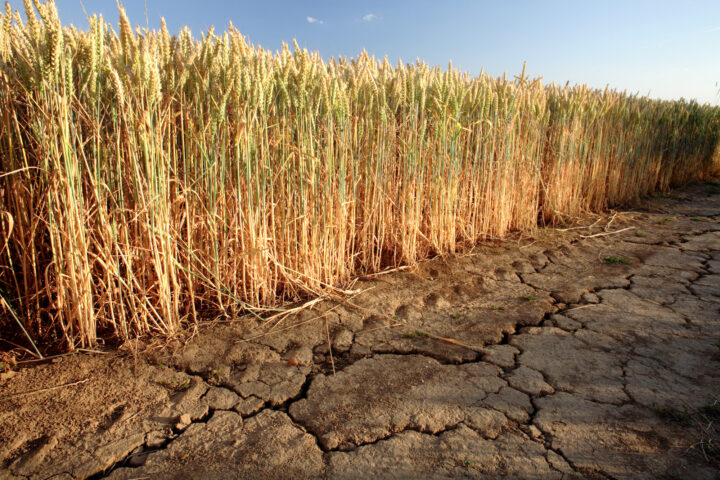
Pflanzenzüchtung: Klimawandel erfordert schnelles Handeln
Die Auswirkungen des Klimawandels spüren Schweizer Landwirte bereits heute. In der Vergangenheit waren Neuzüchtungen ein Garant für stabile Ernteerträge. Doch mit der Geschwindigkeit des Klimawandels kann die klassische Züchtung nicht mithalten. Es braucht neue Züchtungsmethoden wie die Genom-Editierung.
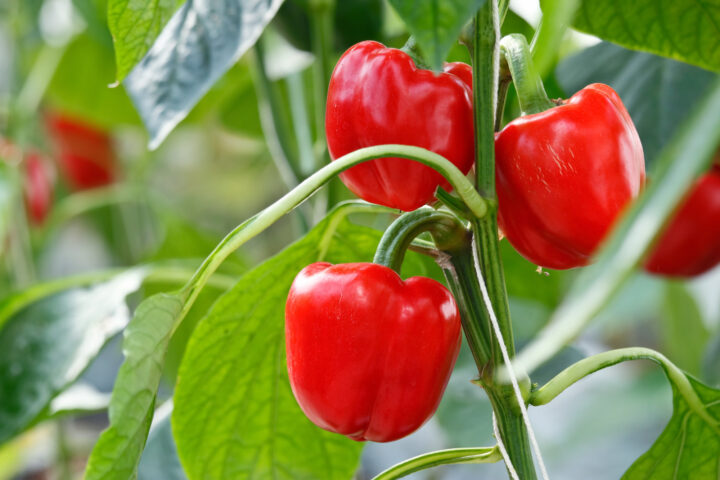
Von Patenten und Peperoni
Das Europäische Patentamt (EPA) hat eine Beschwerde verschiedener NGO gegen ein Peperoni-Patent der Firma Syngenta abgewiesen. Das berichten verschiedene Medien. Die mit der Berichterstattung einhergehende Skandalisierung von Patenten in Zusammenhang mit Pflanzen ist jedoch nicht angezeigt. Pflanzenzüchter brauchen keine Angst vor einer «Patentfalle» zu haben. Im Gegenteil: Patente fördern die Transparenz und befeuern den Fortschritt.
Zentrale Antworten im Überblick
Neue Züchtungstechnologien werden in der Landwirtschaft der Zukunft eine entscheidende Rolle zur Züchtung von robusten und ertragreichen Pflanzensorten spielen. Hier finden Sie Antworten zu den wichtigsten Fragen und Behauptungen.

Comme si on avait tout le temps du monde dans notre pays
L'UE est bloquée depuis des années dans la réglementation des nouvelles technologies de sélection. La Suisse aussi passe à côté de l'évolution. Alors que des approches innovantes sont exploitées commercialement depuis longtemps dans le monde entier, l'Europe et la Suisse manquent de règles claires - avec des conséquences importantes pour les agriculteurs, les sélectionneurs et les multiplicateurs de semences locaux ainsi que pour le commerce mondial.
Une large alliance en faveur des méthodes de sélection modernes
Le signal ne pourrait être plus fort. L’organisation de labellisation IP-Suisse, les producteurs de fruits, de légumes et de pommes de terre, la coopérative agricole Fenaco, les grands détaillants Coop et Migros ainsi que le Konsumentenforum (forum des consommateurs) se sont récemment regroupés pour fonder l’association «Les variétés de demain».
CRISPR/Cas9 pour lutter contre le mildiou
La méthode Crispr/Cas, récompensée par un prix Nobel, permet désormais la culture de variétés résistantes et pourrait ainsi réduire l’utilisation de pesticides dans l’agriculture.
Les méthodes de sélection génomique n’ont aucune chance de faire leurs preuves
Les méthodes modernes d’amélioration génomique sont légalement considérées comme du génie génétique – et sont donc, jusqu’à aujourd’hui, pratiquement bloquées. Pourtant, nous consommons depuis des décennies des plantes génétiquement modifiées, simplement sous l’étiquette de « mutagénèse classique ». Les nouvelles méthodes, plus précises, sont soumises à une réglementation plus stricte que les anciennes, alors que la science les considère comme plus sûres. Une contradiction qui devrait être corrigée de toute urgence. L’UE montre le bon exemple.
Défis et chances d’une agriculture durable
L'agriculture de demain doit produire plus efficacement. Tout en protégeant le climat et la biodiversité. Lors du Swiss-Food Talk, trois experts indépendants reconnus se sont exprimés sur les défis et les opportunités d'une agriculture durable de demain.
Content in German
Réduction du CO2 avec un engrais artificiel alternatif
Les deux producteurs de produits agrochimiques Bayer et Syngenta investissent dans une start-up américaine dont la technologie permet de réduire massivement l'utilisation d'engrais azotés.
Content in German
Le monde a-t-il vraiment besoin de plantes obtenues par édition du génome?
Cette question est souvent posée par les détracteurs des méthodes de sélection modernes. Comme souvent, la réponse est donnée par le marché. Et elle est plutôt claire.
Nouvelles techniques de sélection : la ministre allemande de la Recherche veut donner le feu vert
La ministre fédérale de la Recherche a réaffirmé sa demande de faciliter l'utilisation de nouvelles techniques de sélection en Europe. Elle cite notamment l'outil d'édition génétique CRISPR/Cas.