

When it comes to chemicals in medicine and agriculture, ‘natural’ is often less safe than synthetic
When it comes to chemicals in medicine and agriculture, “natural” is often perceived as safer. But is that really the case? This is the question explored by chemist and science communicator Simon Maechling in his article.
Published: 20.03.2026, 14:11 | Updated: 13.05.2026, 10:54
Almost nothing in your life is natural. And that’s a good thing.
Take a look around—your smartphone, your fridge, your car, the building you’re sitting in—none of these things exist in nature. Yet, we’re better off with them. Despite claims that “natural” is always better, the reality is we’ve built our modern world by improving on nature. And thank goodness for that.
The appeal to nature fallacy
The belief that “natural” is better than “unnatural” is common, but it’s simply not true. People tend to romanticise nature, thinking that because something is natural, it must be healthier, safer, or better. But this idea doesn’t hold up to reality.
We use synthetic medicines because they work better than what we’d find in the forest. We drive cars to cover distances that would take days on foot. We eat foods grown with fertilisers and protected by pesticides because these innovations help feed billions of people.
The truth? Almost nothing in your life is natural, and that’s a good thing.
Let’s talk about hypocrisy
People who argue that “natural is better” often don’t realise how hypocritical that statement is. Let’s break it down:
- You’re reading this on a device—a smartphone, a tablet, or a computer. None of these things are natural. They’re the product of human ingenuity.
- You’re probably wearing clothes made from materials that didn’t come straight from the forest.
- You live in a home, not a cave. It’s likely made from bricks, concrete, and steel—none of which are “natural.”
- You eat food that doesn’t grow wild. Almost everything you eat has been selectively bred and often processed in ways nature never intended.
So, when people make the argument that “nature knows best”, they’re ignoring the fact that modern life is full of unnatural, human-made improvements. And we rely on these advancements every day. Imagine trying to live a purely natural life. No internet. No cars. No running water. Sounds less appealing, doesn’t it?
Nature’s dark side
Here’s the thing: nature isn’t always kind. It doesn’t have our best interests in mind. Some of the deadliest things in the world are completely natural.
- Arsenic? Natural.
- Cyanide? Found in nature.
- Deadly diseases? 100% natural.
And let’s not forget: wild food can be dangerous, too. For thousands of years, we’ve been improving our crops—making them safer, tastier, and more nutritious. Bananas, corn, apples—they’ve all been modified to suit our needs because the wild versions were far from perfect.
- Bananas used to be full of seeds and almost inedible.
- Corn started as a small, tough grass called teosinte.
- Apples were small and bitter before selective breeding made them the sweet snack we love today.
So, why cling to the idea that “natural” is better? The reality is that we’ve spent centuries improving on nature because nature, on its own, often falls short.
Follow the latest news and policy debates on sustainable agriculture, biomedicine, and other ‘disruptive’ innovations. Subscribe to our newsletter.
Why we don’t leave it up to nature
If nature really knew best, we’d still be foraging for wild berries and living in caves. But we’ve always known better than to leave everything up to nature.
Our progress has been about taking control—making life easier, safer, and more comfortable.
- Plumbing gives us clean water and sanitation—natural water sources don’t.
- Electricity lights our homes—without it, nature offers us only fire or darkness.
- Vaccines protect us from diseases that nature has thrown our way.
Human innovation has made life longer, healthier, and better. That’s why almost nothing in your life is natural—because we’ve worked hard to improve on nature.
The fallacy in action
The idea that “natural” is always better has led to harmful trends in health, food, and lifestyle choices. One of the most glaring examples is the rise of “chemical-free” products. People assume that chemicals are inherently bad and that natural products must be safer.
But here’s a fact: everything is made of chemicals. The water you drink, the air you breathe, the cells in your body—it’s all chemistry.
And let’s not forget that natural doesn’t mean safe. Poison ivy? Natural. Snake venom? Also natural. On the other hand, many synthetic chemicals, like aspirin, have saved millions of lives.
The bottom line? Natural isn’t always better. In fact, many of the things we rely on today are safer and more effective because they’ve been improved by human hands.
Embracing innovation
Instead of clinging to the idea that nature knows best, it’s time to embrace the fact that human innovation has made life better. From food to medicine to technology, we’ve taken what nature gave us and made it work for us.
The next time you hear someone say “natural is better”, take a look around. Everything you see is proof that we’ve improved on nature—and that’s why our lives are better for it.
This article was written by Simon Maechling, a science communicator and PhD in organic chemistry. Maechling has more than 20 years of experience in crop protection research and development. The article was first published in Genetic Literacy Project on 24 February 2026 in English.
Brexit has given British farmers more ways to adapt to climate change

Jonathan Brown
Head of Europe at agricultural technology business Syngenta
Security Risk on the Plate: "We Are Extremely Vulnerable"

Hans Jörg Rüegsegger
National Councillor and Farmer

The Federal Council is carelessly squandering Switzerland’s competitive advantages

Ruedi Noser
Former member of the Council of States for the Canton of Zurich (FDP)
When it comes to chemicals in medicine and agriculture, ‘natural’ is often less safe than synthetic
Simon Maechling
Science communicator and PhD in organic chemistry
Why has organic and sustainable farming veered so far away from the scientific evidence?

Henry I. Miller
Physician and molecular biologist

Reason Over Ideology: The International Union for Conservation of Nature (IUCN) Rejects a Blanket Ban on Genetically Modified Organisms – A Victory for Science

Stephanie Lahrtz
Science Editor, NZZ
Gene editing is also revolutionizing biological plant protection

Urs Niggli
Agricultural scientist and president of Agroecology Science
Content in German
New genomic techniques in plant breeding: sustainability needs innovation

Philipp Aerni
Professor of Economics & Expert in Corporate Responsibility and Sustainability
Carte Blanche: Excessive Anti-Alcohol Strategy

Philipp Schwander
Master of Wine, wine expert and entrepreneur
Agriculture needs a shared vision

Dr. Christian Stockmar
Chairman of the Austrian Crop Protection Association
'Pure hubris'

Patrick Dümmler
Head of Sustainability and Economic Policy at the Swiss Trade Association
We are bringing up the rear in Europe when it comes to plant protection

David Brugger
Head of Plant Production, Swiss Farmers’ Union


Politics seems resistant to facts

Beat Keller
Beat Keller ist Professor für Molekulare Pflanzenbiologie an der Universität Zürich
«Plant breeding calls for liberal rules»

Jürg Niklaus
Jürg Niklaus has a doctorate in law and is an advocate of plant breeding.
More pesticides, more genetic engineering: How we are overcoming hunger.
Markus Somm
Journalist, publicist, publisher and historian
«The fear of genetically modified plants is unwarranted»
Anke Fossgreen
Head of Knowledge Team Tamedia
«Politicians must avoid pushing prices up even more»

Babette Sigg Frank
President of the Swiss Consumer Forum (KF)
Seizing the opportunity of green biotechnology

Roman Mazzotta
Country President Syngenta Switzerland

«One-third organic farming does not solve the problem»
Olaf Deininger
Development Editor-in-Chief Agrar-Medien

«Most fears about pesticides are misplaced»

Michelle Miller
Columnist at Genetic Literacy Project and AGDaily

«Who is afraid of the evil GMOs?»

Jürg Vollmer
Editor-in-Chief of «die grüne» magazine
Content in German
«What plant breeding brings us»

Achim Walter
Professor of Crop Science, ETH Zurich
Content in German
«Research and work place needs impetus»

Jan Lucht
Head of Biotechnology at Scienceindustries
Content in German
«Agriculture plays a major role»

Jan Grenz
Lecturer in Sustainability, School of Agricultural, Forest and Food Sciences HAFL
«Understanding nature’s mechanisms better»
Urs Niggli
Agricultural scientist and president of Agroecology Science

«Lay people completely disregard the dose»

Michael Siegrist
Professor of Consumer Behaviour, ETH Zurich
Content in German
«Is organic really healthier?»

Anna Bozzi
Head of Nutrition and Agriculture at scienceindustries
Content in German
«Genetic engineering and environmental protection go hand in hand»
Dr. Teresa Koller
Researcher at the Institute of Plant and Microbiology at the University of Zurich
«The «Greta» generation will rigorously dispel paradigms.»

Bruno Studer
Professor for Molecular Plant Breeding, ETH Zurich
Content in German
«Overcoming the urban-rural divide with constructive agricultural policy»
Jürg Vollmer
Editor-in-Chief of «die grüne» magazine
Content in German
«We protect what we use»

Regina Ammann
Head of Sustainability & Public Affairs, Syngenta Switzerland
Related articles
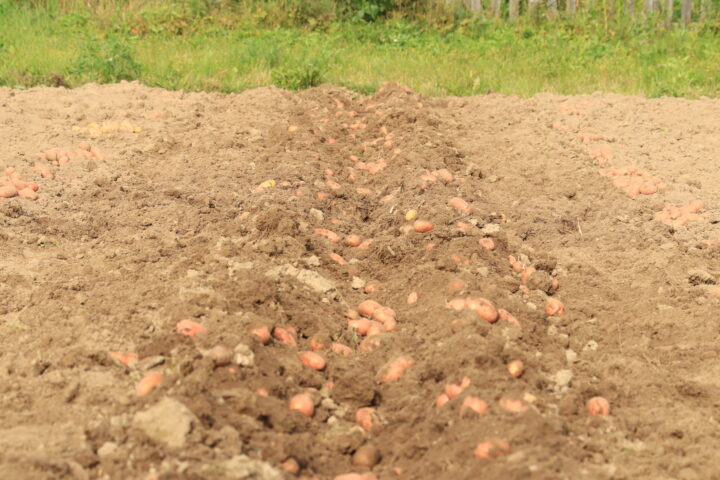
Record low potato harvest: Why is the Federal Council standing still?
The hot summer of 2026 caused the lowest potato harvest in Switzerland since records began a century ago. To secure domestic supply and build climate resilience, the agricultural sector is calling for swift access to new breeding technologies, which are already being authorized in the European Union. However, the Federal Council has delayed the corresponding draft legislation until 2027.
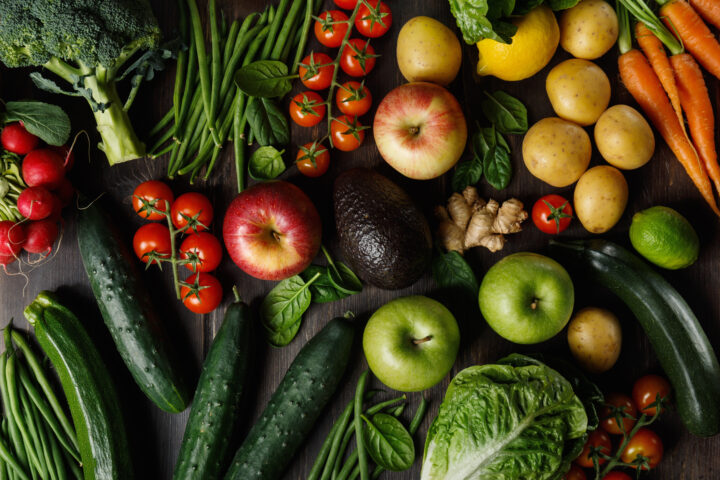
Food Security Initiative: Why Do the Goals Cancel Each Other Out?
The popular initiative "For a Secure Food Supply" calls for a self-sufficiency rate of 70 percent. At the same time, it demands drastic restrictions on crop protection and the promotion of open-pollinated seeds. The Federal Council also confirms that this balancing act does not work: a higher degree of self-sufficiency combined with severe restrictions on crop protection is not realistic.
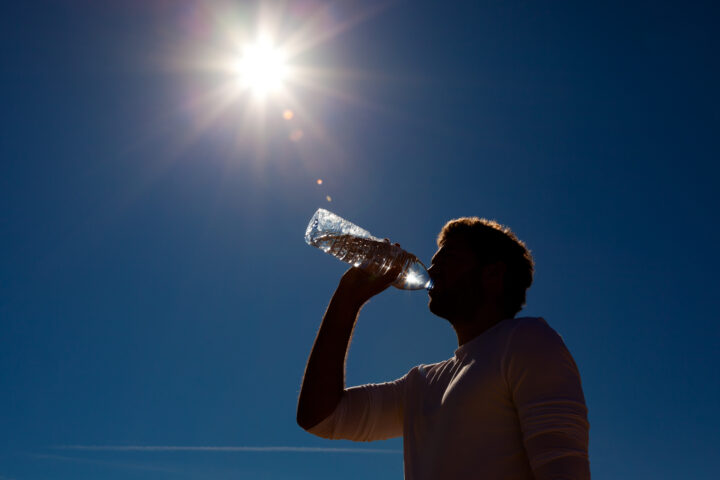
Legionella, Japanese beetles, and market turbulences: What are the consequences of the dry heatwave summer 2026?
How do persistent heat and drought in the summer of 2026 impact health, agriculture, and the economy? The summer of 2026 exemplifies how heat and dry conditions are becoming a threat across various areas: from cooling systems and livestock housing to crops and consumer wallets.
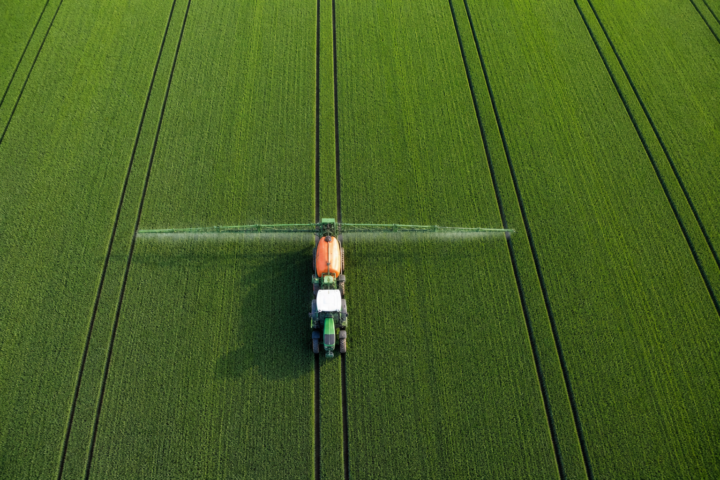
Precision Instead of Bans: What the “Pflopf” Project Shows
A six-year research project conducted in three cantons shows that precision technology can reduce the use of pesticides by a quarter without compromising yield or quality.