

Gefundene Beiträge zu Ihrer Suche:
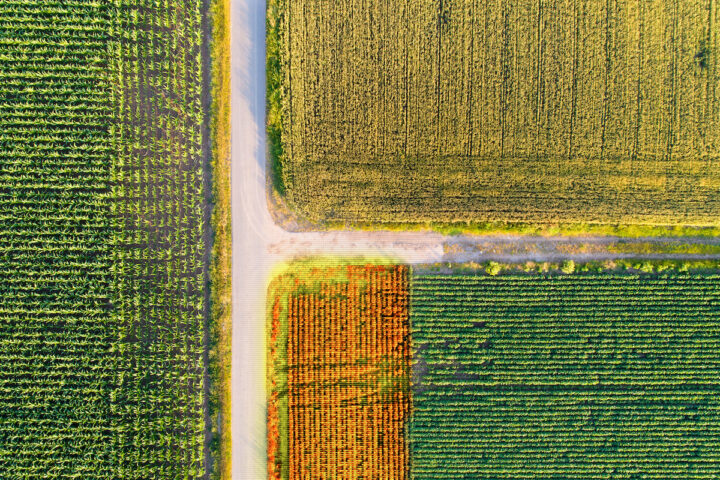
Umweltnutzen präziser Landwirtschaft
Innovationen und Technologie verändern unser Leben – und auch die Produktivität der Landwirtschaft. Wie eine amerikanische Studie zeigt, steigert «precision farming» die Erträge und nützt auch der Umwelt.
Digitale Landwirtschaft
Die Digitalisierung der Landwirtschaft beschreibt die Anwendung neuer Informationstechnologien für die landwirtschaftliche Wertschöpfung. Stichwörter wie «Landwirtschaft 4.0», «Präzisionslandschaft» oder «Precision Farming», «Smart Farming» oder «High-Tech-Landwirtschaft » werden hierfür oft als Synonyme benutzt.
Herausforderungen und Chancen einer nachhaltigen Landwirtschaft
Die Landwirtschaft von morgen muss effizienter produzieren. Und dabei gleichzeitig das Klima und die Biodiversität schützen. Am Swiss-Food Talk äusserten sich drei ausgewiesene, unabhängige Experten zu den Herausforderungen und Chancen einer nachhaltigen Landwirtschaft von morgen.
«Landwirtschaft braucht eine gemeinsame Vision»
Kritiker der Landwirtschaft und des Pflanzenbaus haben aktuell leichtes Spiel. Daher sollten die Agrarverbände zusammenhalten.
L’agriculture numérique
La numérisation de l’agriculture décrit l’application des nouvelles technologies de l’information à la création de valeur dans l’agriculture. Des mots-clés tels que «Agriculture 4.0», «Precision Farming», «Smart Farming» ou «Agriculture high-tech» sont souvent utilisés comme synonymes.
Agriculture de précision : concilier performance agricole et respect de l’environnement
Comme le montre une étude américaine, l’agriculture de précision non seulement augmente les rendements d’une parcelle, mais elle sert également l’environnement. La durabilité de l’agriculture s’accroît.
Défis et chances d’une agriculture durable
L'agriculture de demain doit produire plus efficacement. Tout en protégeant le climat et la biodiversité. Lors du Swiss-Food Talk, trois experts indépendants reconnus se sont exprimés sur les défis et les opportunités d'une agriculture durable de demain.
Inhalt auf Deutsch
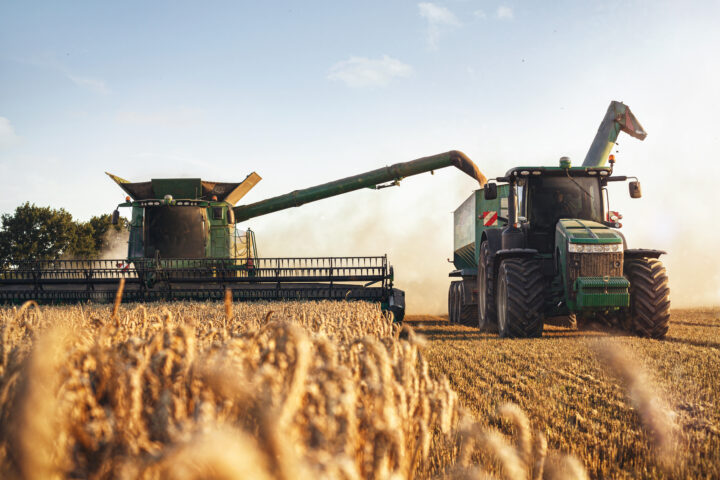
Production: plus de nourriture avec moins de ressources
L’un des plus grands défis de ce siècle sera de nourrir de manière sûre et durable environ dix milliards de personnes. Pour atteindre cet objectif, il faut une agriculture nettement plus productive. Les ressources naturelles telles que les sols et l’eau se raréfient et doivent être protégées.
Environmental benefits of precision agriculture
Innovations and technology are changing our lives – and also the productivity of agriculture. However, as an American study shows, precision farming not only increases yields, but also benefits the environment. The sustainability of agriculture is increasing.
Digital Agriculture
The digitization of agriculture describes the application of new information technologies for agricultural value creation. Keywords such as “Agriculture 4.0”, “Precision Landscape” or “Precision Farming”, “Smart Farming” or “High-Tech Agriculture” are often used as synonyms.
Challenges and opportunities of sustainable agriculture
Tomorrow's agriculture must produce more efficiently. And at the same time protect the climate and biodiversity. At the Swiss-Food Talk, three renowned, independent experts spoke about the challenges and opportunities of tomorrow's sustainable agriculture.
Inhalt auf Deutsch
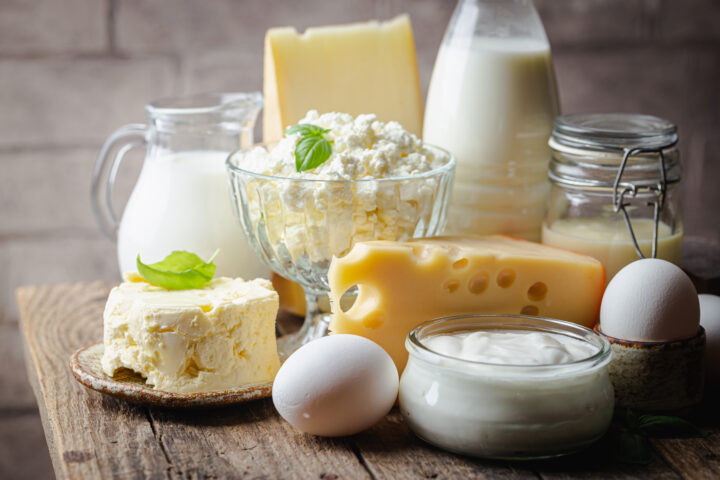
Acceptance of animal-free milk products is growing
Producing animal-based products is a very resource-intensive process. And for a wide variety of reasons, some people refrain from eating meat and/or dairy products. This is why companies are conducting more research into “animal-free” animal products.
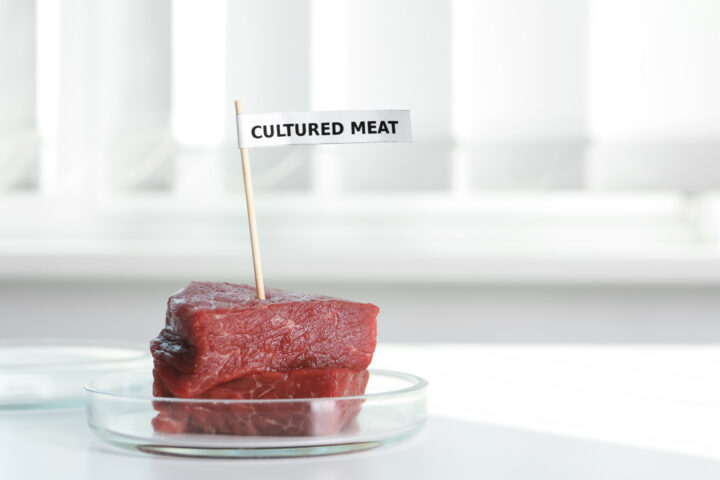
An innovation hub for cultured meat
Migros, Bühler and Givaudan are launching an innovation hub for cultured meat. A pilot facility in Kemptthal (canton of Zurich) is moving forward with the development and marketing of lab-grown meat.
Agroecology
According to the FAO (Food and Agriculture Organization of the United Nations), agroecology is the science of applying ecological concepts and principles to manage interactions between plants, animals, humans and the environment with regard to food security and nutrition.
Plant breeding
The aim of plant breeding is the genetic modification of plant populations to improve biological and economic properties. It is based on plant selection, seed treatment, modern breeding methods or crossing with the subsequent range of daughter plants for the next breeding cycle or subsequent propagation as the seed of a new plant variety.
Production: More food with fewer resources
One of the greatest challenges of this century will be to feed an estimated ten billion people in a safe and sustainable manner. To achieve this goal, agriculture needs to become much more productive.
«Ecological methods alone won’t cut it»
The transitioning to sustainability is a greater challenge than many people might think. We want to be climate neutral by 2050.
“Future Food”: From development to shopping basket
Protein is a key component in a healthy, balanced diet. However, the majority of protein consumed by humans derives from animals and is extremely resource-intensive to produce. What might alternatives look like? And what needs to happen to enable alternative protein products to end up in consumers’ baskets? At the Swiss-Food Talk, three experts considered the issues.
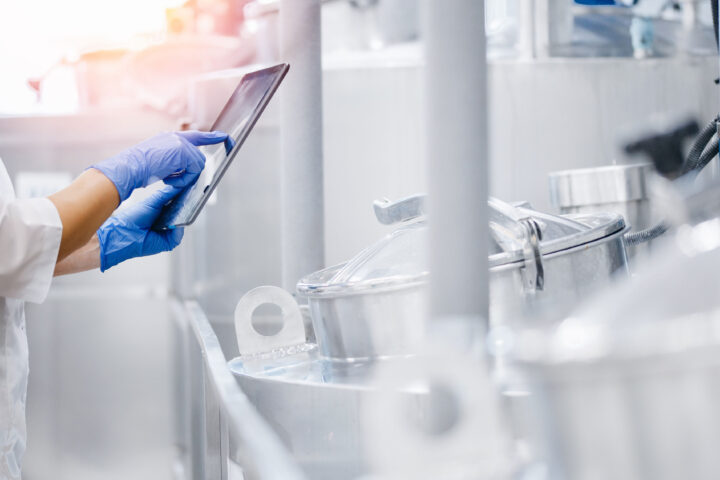
Milk from the laboratory - sustainability is decisive
Milk from the lab is on the rise. Nestlé sells artificial milk in the USA, and a Swiss entrepreneur produces cheese in the laboratory. This is reported by the SonntagsZeitung. According to a survey by the medium, most consumers are willing to try milk alternatives produced using genetic engineering. The differences in taste compared to conventional milk are said to be minimal. However, the sustainability of the products is crucial, which includes resource efficiency and price.
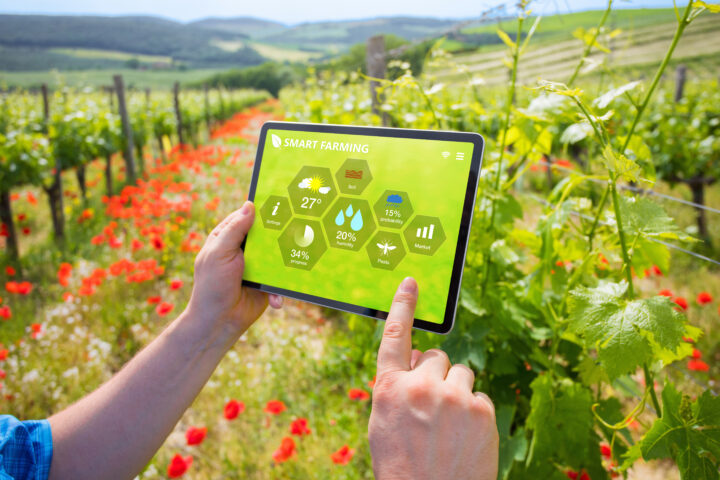
From Data to Harvests - How Digitization is Improving Agriculture
Digitalization is making its way into agriculture. At the Swiss-Food Talk on April 25, 2023, three experts from the agricultural machinery industry, vegetable production, and agricultural media discussed how digitization is changing food production. The consensus is that we are in the transition from industrial to smart agriculture, where data and algorithms as support allow precise interventions and serve sustainability.

Bio Suisse rejects modern breeding methods
At their meeting in April 2023, the delegates of Bio Suisse rejected the use of new breeding methods in organic farming. With this decision, the organic association closes itself off from the possibility of becoming more productive and sustainable through modern precision breeding, such as the incorporation of disease tolerance using the CRISPR/Cas gene scissors. As reported by the "Tages-Anzeiger," the decision of the delegates was clear, and there was no real substantive debate on the topic.
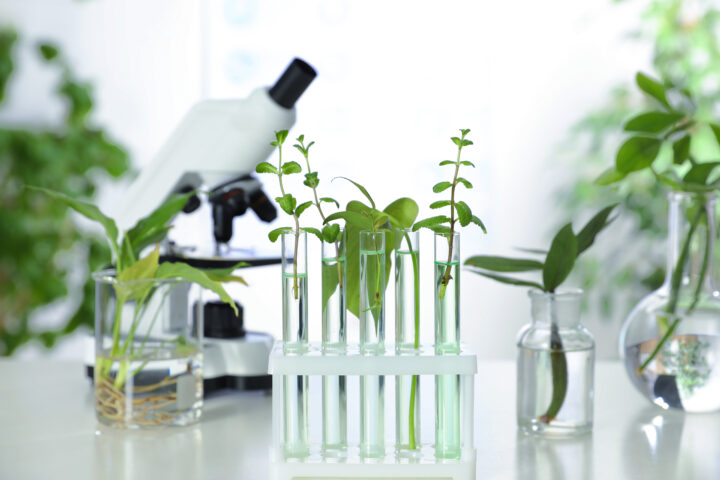
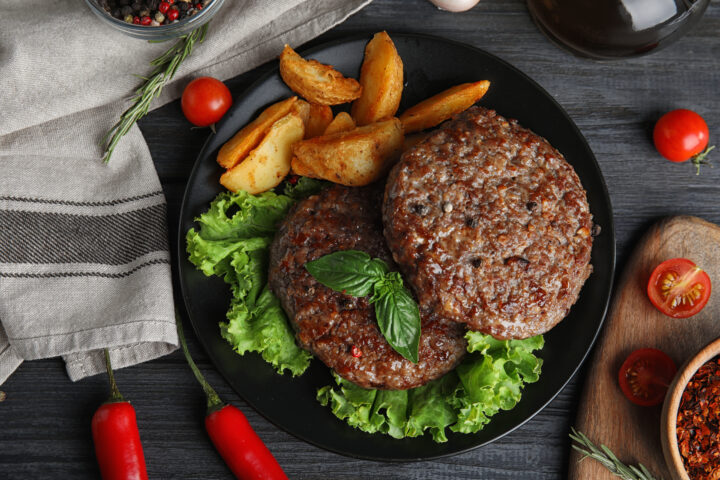
Lab-grown meat is approved for consumption in the USA for the first time – this openness to new technologies is also needed in Eu
Lab-grown meat could revolutionise nutrition. But in Europe it is partly banned as a precaution. Yet new technologies are essential if the world's population is to be fed without destroying the environment, writes Matthias Benz in the NZZ.
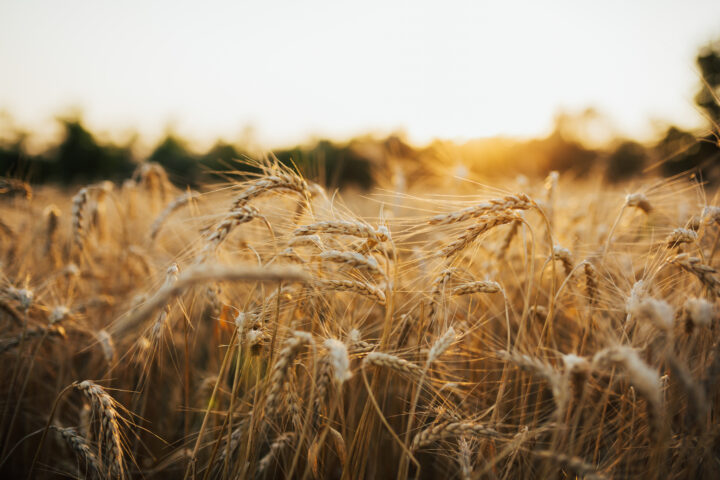
Will this field trial revolutionise barley production?
Switzerland's first field trial using plants from new breeding technologies will start this spring in Zurich. Specifically, the aim is to breed a spring barley that produces more grains per ear. If the trial works, the technology is likely to be of great interest to Swiss agriculture.

Tomato salad to combat vitamin D deficiency
Modern breeding methods can contribute to better health. For this reason, Bayer wants to use genome editing to breed more nutritious vegetables. In collaboration with the South Korean biotech company G+FLAS, tomato varieties are to be developed that are enriched with vitamin D3. Vitamin D deficiency is widespread and can lead to health problems such as rickets or osteoporosis.

When the anti-genetic engineering lobby is in charge
A Tages-Anzeiger journalist gets caught in the threads of the anti-genetic engineering lobby and stumbles into unscientific territory. He writes about the fact that a politically controversial word is missing from a bill and embezzles a word himself when calling witnesses. A current example that shows how the choice of words can influence the perception of an issue.
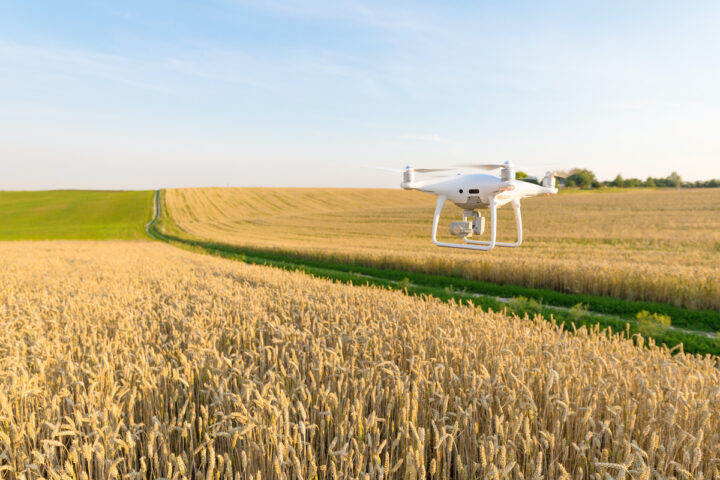
Why we need high-tech for tomorrow's agriculture
From genome editing to precision field spraying – innovations can strengthen the agriculture of tomorrow. They help to ensure that agricultural land can be used better. Crops are protected more efficiently. According to a survey by gfs.bern, the Swiss are very open to the use of modern technologies. This also applies to new breeding methods such as genome editing.

36 times the yield per square metre – thanks to indoor farming
Berlin-based start-up OrbiFarm is revolutionising the production of plant proteins and medicinal plants with indoor farming. The potential is enormous: yields are up to 36 times higher than in traditional agriculture – and that's without soil, weather or long transport routes.
Agriculture needs a shared vision
Critics of agriculture and crop farming currently have an easy time of it. That is why agricultural associations should stick together.
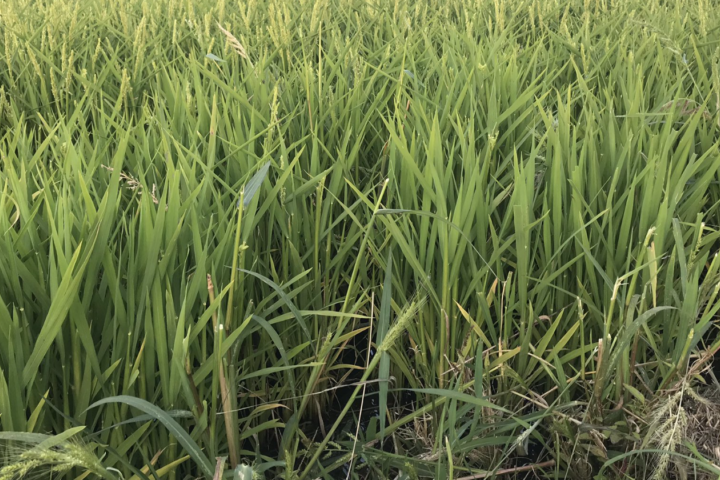
Sushi from Swiss Rice – Possible for a Few Years Now
Where once lamb’s lettuce and potatoes grew, a crop more commonly associated with Asia is now thriving: rice. What might sound like an exotic experiment has in some parts of Switzerland developed into a promising niche with a future.
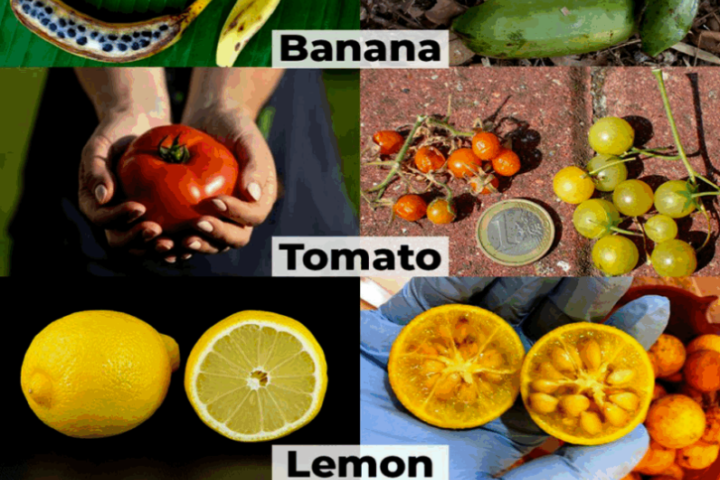
Beautiful and delicious mutants on your plate: The misunderstood world of crop improvement
When most of us hear the word mutation, the images that come to mind are not positive. We think of radioactive monsters, comic book villains, or genetic diseases like sickle-cell anemia. In popular culture, “mutants” are often synonymous with danger. Possibly the most famous are Marvel’s X-Men, who have enjoyed four big-screen incarnations and an enduring place among sci-fi movie aficionados.