

Articles trouvés correspondant à votre recherche:
L'intelligence écologique
Dès 2009, Daniel Goleman a créé le concept d'«intelligence écologique». L'idée de base de son livre du même nom: ce n'est que lorsque nous aiguiserons notre intelligence écologique, collectivement et individuellement, que nous pourrons vivre de manière vraiment respectueuse de l'environnement, au lieu d'acheter un peu de produits bio ici et de recycler un peu là.

13 Megatrends: «Lawinen in Zeitlupe»
Megatrends sind wertvolle Navigationshilfen, um den Wandel einzuordnen und zu verstehen. Als «Lawinen in Zeitlupe» bezeichnet das Zukunftsinstitut die Megatrends. Das Bild beschreibt das Phänomen gut. Megatrends entwickeln sich langsam, haben aber enorme Auswirkungen auf Wirtschaft und Gesellschaft. Sie bestimmen das Leben in Zukunft.
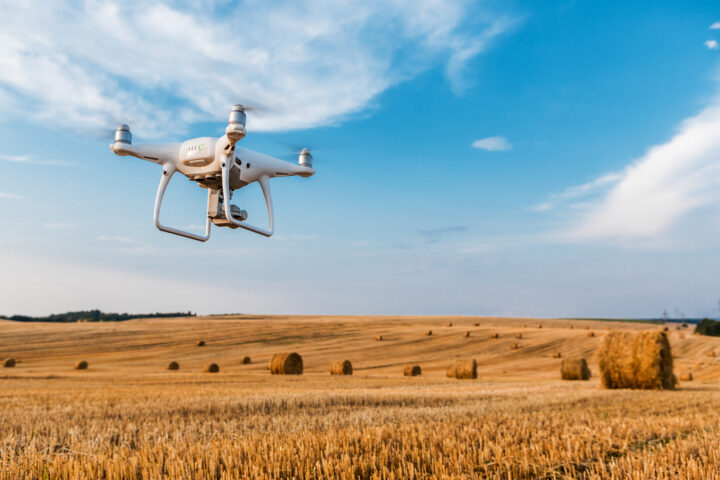
Technologischer Fortschritt in der Landwirtschaft
In den letzten Jahrzehnten hat der technologische Fortschritt dafür gesorgt, dass das Ausbringen von Pflanzenschutzmitteln deutlich präziser geworden ist.

Invasive Schädlinge reisen mit
Invasive Schädlinge und Pflanzenkrankheiten gehören zu den grössten Herausforderungen für Biodiversität und Landwirtschaft. Sie gelangen oft über den Reiseverkehr sowie Warenimporte in die Schweiz und richten grosse Schäden bei Kultur- und Wildpflanzen an. Seit 2020 ist die Einfuhr von Pflanzen aus nicht EU-Ländern verboten. Eingeschleppte Schädlinge sind jedoch ein weltweites Problem.
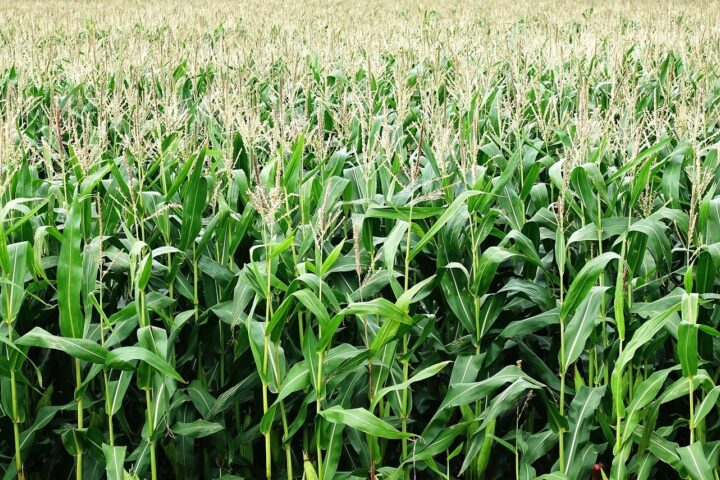
Globale Fakten zu Welternährung und Landwirtschaft
Nur dank technologischem Fortschritt und modernem Pflanzenschutz werden wir in Zukunft unsere Ressourcen schonen und gleichzeitig immer mehr Menschen gesund ernähren können.
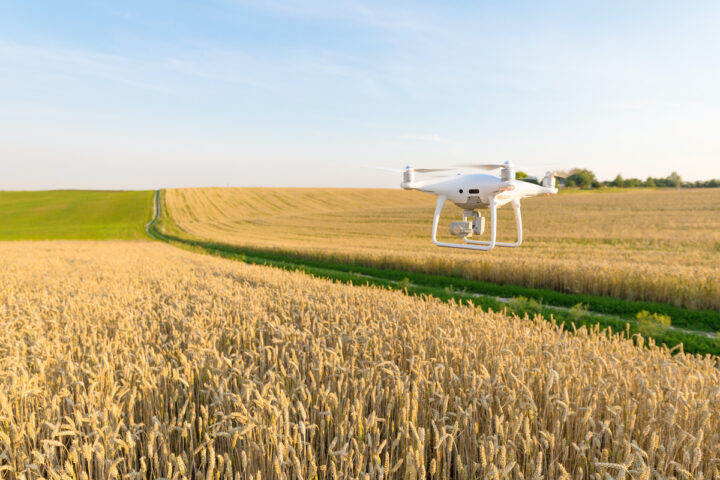
Die nächste landwirtschaftliche Revolution
Der Schlüssel zu den dringend nötigen Ertragssteigerungen in der Landwirtschaft liegt bei neuen Technologien. In der Digitalisierung der landwirtschaftlichen Produktion steckt das Potenzial für eine neue Agrarrevolution.
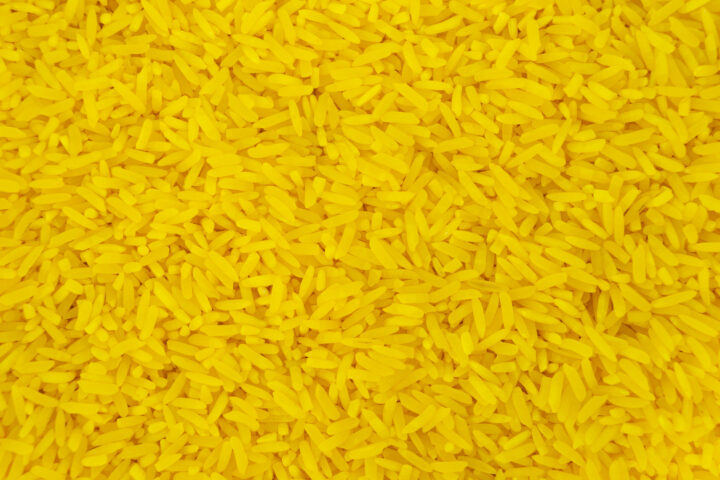
Endlich goldene Zeiten für den Golden Rice
Die Weltgesundheitsorganisation (WHO) schätzt, dass weltweit jedes Jahr bis zu 500'000 Kinder aufgrund von Vitamin-A-Mangel erblinden. Golden Rice schafft endlich Abhilfe.
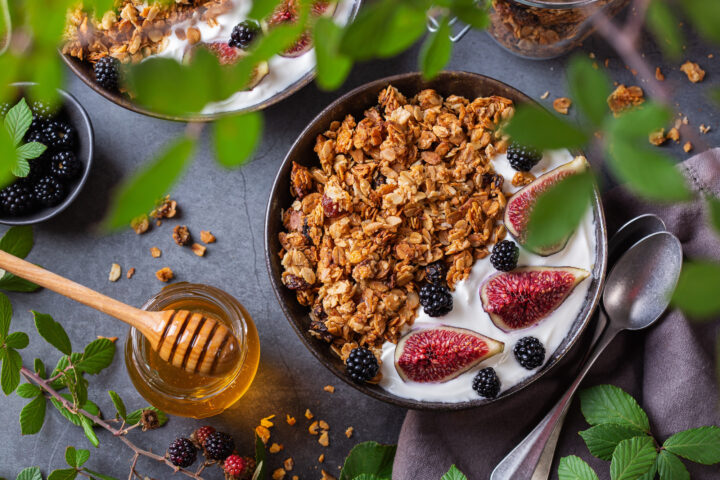
Corona sorgt für Boom bei Functional Food
Die Nachfrage nach funktionellen Lebensmitteln sowie Nahrungsergänzungsmitteln ist während der Coronakrise weltweit gestiegen. Das Bewusstsein von Konsumentinnen und Konsumenten für eine gesunde Ernährung nimmt zu.
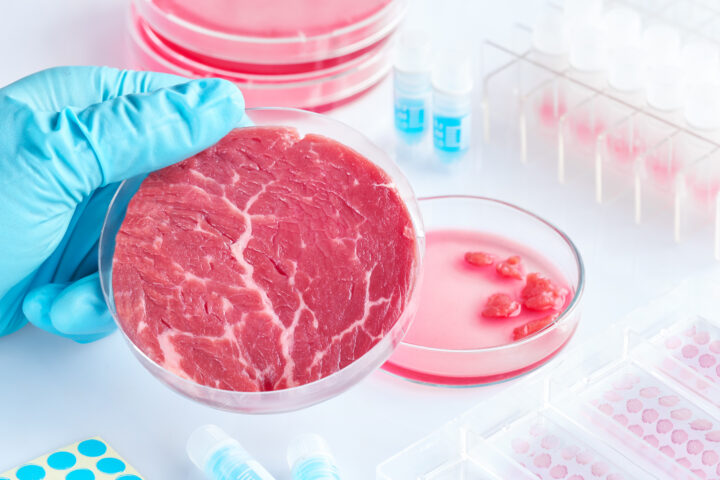
Von der Stammzelle zum Steak
Die Produktion von Fleisch verbraucht sehr viele Ressourcen. Und Menschen essen aus den unterschiedlichsten Gründen kein oder weniger Fleisch. Eine wachsende Anzahl Unternehmen forscht deshalb an alternativen Fleischprodukten – beispielsweise aus dem Labor.
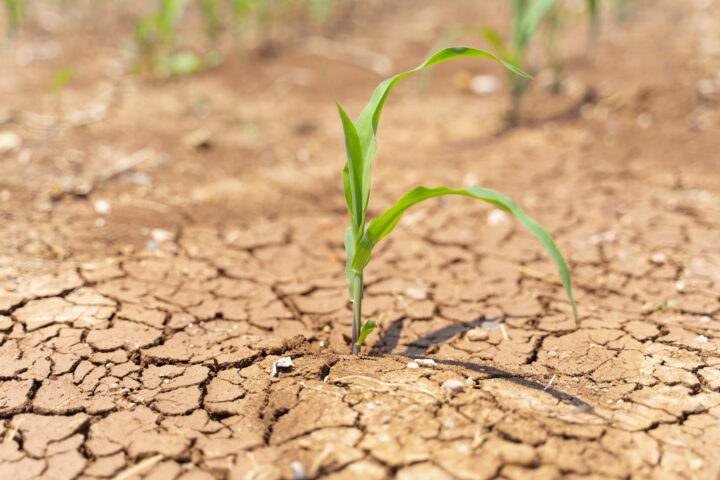
Dürretoleranter Mais als Reaktion auf Klimawandel
Der Klimawandel stellt die Landwirtschaft vor zunehmende Herausforderungen. Mit Hochdruck arbeitet die Pflanzenzüchtung deshalb an der Entwicklung von Sorten mit besserer Widerstandsfähigkeit gegen Umweltstress.
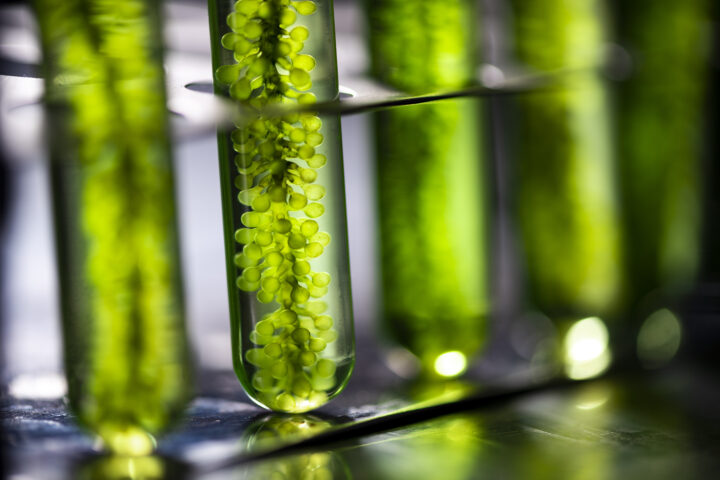
Nachhaltige Ernährung mit Algen
Die grösste Herausforderung der gegenwärtigen Landwirtschaft ist die Produktion von gesunden Lebensmitteln, die den Planeten nicht übermässig beanspruchen. Algen könnten dereinst ein wichtiges Puzzleteil in der Lebensmittelproduktion darstellen.
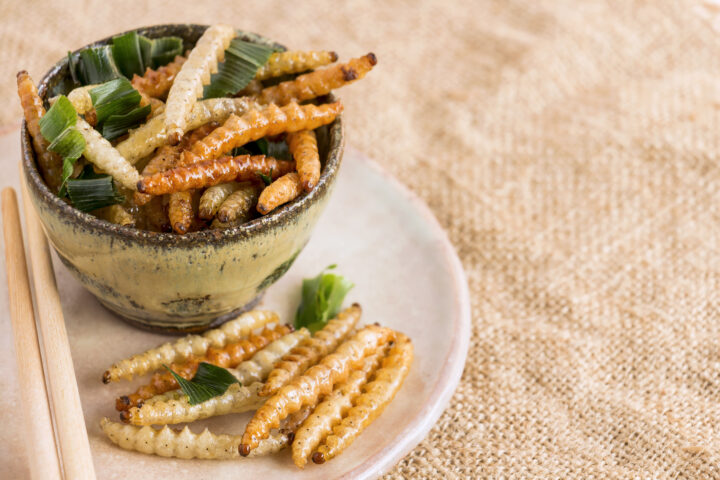
Insekten: Die Proteinquelle von morgen?
Insekten gelten schon seit Längerem als Super Food der Zukunft. Sie sind reich an Proteinen, benötigen weniger Land und Wasser, und haben eine bessere CO2-Bilanz als herkömmliches Fleisch.
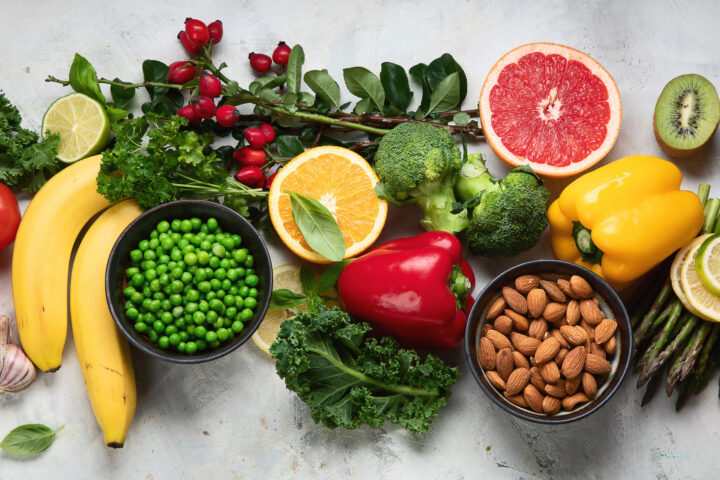
Kann Ernährung gesund und gleichzeitig nachhaltig sein?
Gibt es einen Menüplan, der unserem Körper guttut und gleichzeitig nachhaltig ist? Die Antwort lautet ja, doch sie ist gleichzeitig komplex. Dies ergeben Recherchen des Onlineportals «Heidi.news» und der «Sonntagszeitung».
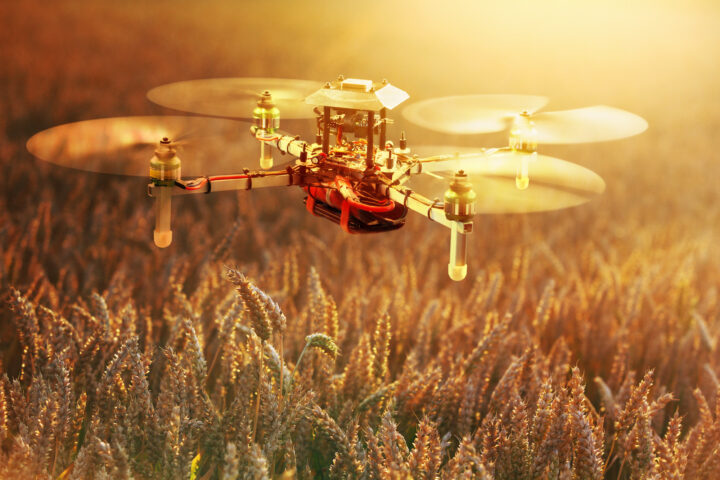
Die Zukunft von Landwirtschaft und Klimawandel
Auf der ganzen Welt sehen und spüren wir die Auswirkungen des Klimawandels auf unser Leben. Wie können wir also den Klimawandel aufhalten und Massnahmen ergreifen, die wirklich wirken?

Die Suche nach dem Ei der Zukunft
Gekocht, gerührt, gebraten: Eier sind nicht nur zu Ostern beliebt. Gleichzeitig steigt das Interesse für Alternativen zu den bei uns gängigen tierischen Eiweissprodukten. Die Suche nach neuen Proteinquellen macht deshalb auch vor dem Hühnerei nicht halt.

Foie Gras ohne schlechtes Gewissen
Der Begriff Foie Gras ist häufig negativ behaftet. Grund dafür ist die Stopfleber-Produktion, bei der die Tiere grosse Qualen erleiden. Nachdem bereits Spitzengastronomen Rezepte mit ungestopfter Leber entwickelten, bietet nun auch die Migros «Happy Foie» an. Dabei handelt es sich um ein tierfreundliches Foie Gras, das geschmacklich genauso gut sein soll wie das Original. Patente dienen dabei dem Schutz der Erfinder.

Cool dank Karibik-Gen: Das Kalb, das der Hitze trotzt!
Auch Kühe leiden unter der Klimaerwärmung. Heisse Temperaturen wirken sich negativ auf ihren Stoffwechsel aus. Jetzt zeichnen sich erste Lösungen ab: So steht auf dem Strickhof in Lindau eine der ersten Slick-Gen-Kühe weltweit. Diese sind hitzetoleranter als herkömmliche Kühe und können dadurch der Klimaerwärmung trotzen.
Landflucht
Unter Landflucht versteht man die Abwanderung eines grossen Teils der Landbevölkerung, besonders bäuerlicher Herkunft, in die Städte wegen der meist besseren Arbeits- und Lebensbedingungen. Der Prozess der Landflucht ist die notwendige Voraussetzung und Begleiterscheinung der Industrialisierung.
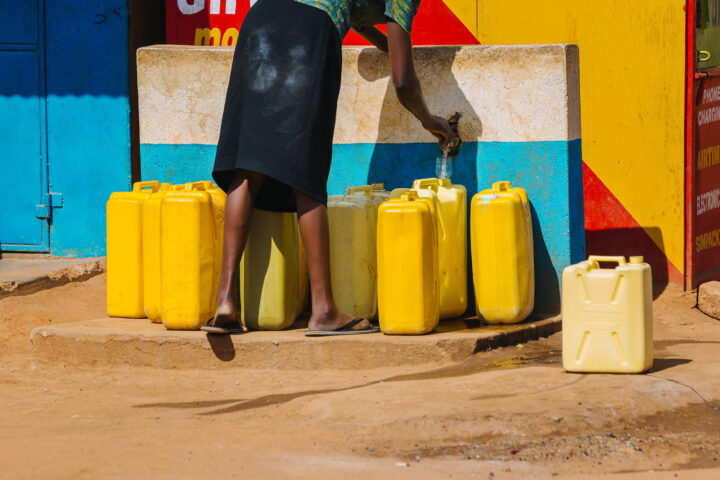
Afrika: 500 Millionen Menschen ohne Wassersicherheit
Rund ein Drittel der Menschen auf dem afrikanischen Kontinent lebt ohne sicheren Zugang zu Wasser. Sogar in den wasserreichsten Regionen besteht gemäss Vereinten Nationen zu wenig Wassersicherheit. Zudem werden die grossen Grundwasservorkommen Afrikas kaum genutzt. Im jüngsten Weltwasserbericht fordert die UNO deshalb eine intelligente Nutzung des Grundwassers.
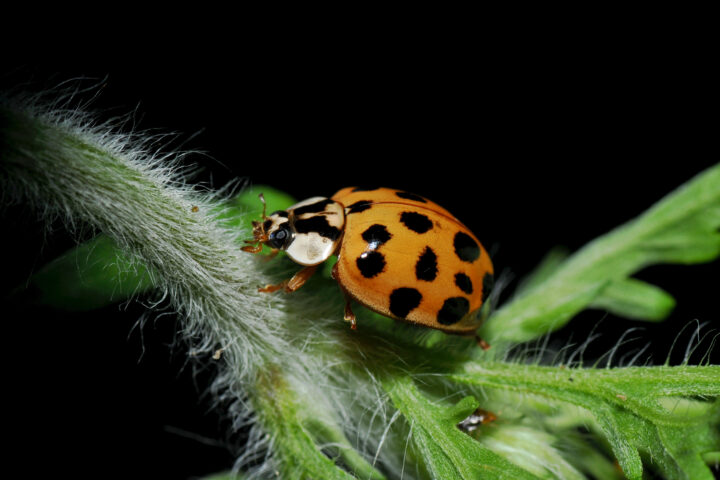
Invasive Arten mitverantwortlich fürs Artensterben
Der UNO-Weltrat für biologische Vielfalt hat die Rolle von invasiven gebietsfremden Arten beim Artensterben untersucht. Die Schlussfolgerungen des Berichts sind dramatisch: Invasive gebietsfremde Arten stellen für Natur, Wirtschaft, Ernährungssicherheit und menschliche Gesundheit eine grosse Gefahr dar.
Ökointelligenz
Bereits 2009 schuf Daniel Goleman den Begriff der «Ökologischen Intelligenz». Der Grundgedanke seines gleichnamigen Buchs: Erst wenn wir – kollektiv ebenso wie individuell – unsere ökologische Intelligenz schärfen, wird es uns möglich sein, wirklich umweltgerecht zu leben, statt nur hier ein bisschen Bio zu kaufen und dort ein bisschen zu recyceln.
13 Megatrends: 'Avalanches in slow motion'
The world is changing. The complexity is great and that makes it difficult to keep track in everyday life. Megatrends provide orientation here. They outline the main lines of change. Megatrends are valuable navigation aids to classify and understand change. The Zukunftsinstitut describes megatrends as 'avalanches in slow motion'. This image describes the phenomenon well. Megatrends develop slowly, but have an enormous impact on the economy and society. They determine our future life.
Technological progress in agriculture
In recent decades, technological progress has ensured that the application of plant protection products has become much more precise.
Invasive pests travel with us
Invasive pests and plant diseases are among the greatest challenges for biodiversity and agriculture. They often enter Switzerland via travel and imported goods and cause great damage to cultivated and wild plants. Since 2020, the import of plants from non-EU countries is prohibited. However, introduced pests are a worldwide problem.
Global facts on world food and agriculture
Only thanks to technological progress and modern crop protection will we be able to conserve our resources in the future and at the same time feed more and more people in a healthy way.
Finally, a golden age for golden rice
The World Health Organization (WHO) estimates that worldwide, as many as 500,000 children go blind every year due to a lack of vitamin A. Roughly half of them die within 12 months of losing their sight. This miserable situation could be greatly eased if the affected children had access to an inexpensive, everyday food containing an adequate amount of vitamin A.
COVID-19 triggers a boom in functional food
During the COVID-19 crisis, demand for functional food and nutritional supplements has grown worldwide. Consumers have become more conscious of the importance of healthy nutrition.
From stem cell to steak
Meat production consumes a lot of resources. And for a wide variety of reasons, people are eating less meat or even giving it up entirely. A growing number of companies are therefore looking into alternative methods of producing meat – for example, in a lab.
Drought-tolerant maize as a response to climate change
Climate change poses increasing challenges for agriculture. Plant breeding is therefore working at full speed to develop varieties with better resistance to environmental stress.
Contenu en allemand
Sustainable nutrition with algae
The greatest challenge facing today's agriculture industry is to produce healthy foods that do not place undue stress on the planet. Algae could one day represent an important piece of the puzzle in food production.
Insects: The protein source of tomorrow?
Insects have long been considered the superfood of the future. They are rich in protein, require less land and water, and have a better carbon footprint than conventional meat.
Can nutrition be healthy and sustainable at the same time?
Is there a menu plan that is good for our bodies and sustainable at the same time? The answer is yes, but it is also complex. This is the result of research on the online portal “Heidi.news” and the “Sonntagszeitung”.
The Future of Agriculture and Climate Change
All around the world, we see and feel the effects of climate change on our lives. While it impacts everyone, agriculture is one of the sectors that is at the forefront of climate change – contributing to greenhouse gas emissions and at the same time coping with growing our food under increasingly challenging conditions. So, how can we address climate change and take action that makes an impact?
The search for the egg of the future
Boiled, stirred, fried: Eggs are not only popular at Easter. At the same time, there is increasing interest in alternatives to the animal protein products that are common in our country. The search for new protein sources therefore does not stop at chicken eggs. The "egg substitute" can come from exotic jellyfish, as well as from a wide variety of plant sources. The result: The demand for protein-rich crops is growing.
Foie gras without a guilty conscience
The term foie gras often has negative connotations. The reason for this is foie gras production, in which the animals suffer great suffering. After top restaurateurs developed recipes with unstuffed liver, Migros is now also offering «Happy Foie». This is an animal-friendly foie gras that is supposed to taste just as good as the original. Patents are used to protect the inventors.
Cool thanks to Caribbean genes: the heat-defying calf!
Cows are also suffering from global warming. Hot temperatures have a negative effect on their metabolism. Now, the first solutions are emerging: for example, Strickhof in Lindau is home to one of the first Slick gene cows in the world. These are more heat tolerant than conventional cows and can therefore withstand global warming.
Rural exodus
Rural exodus is understood as the emigration of a large part of the rural population, especially of farming background, from rural areas to the cities because of the mostly better working and living conditions. The process of rural exodus is the necessary prerequisite and a concomitant of industrialization.
Africa: 500 million people without water security
Around one third of the people on the African continent live without safe access to water. According to the United Nations, even in the most water-rich regions of the continent there is insufficient water security. In addition, the large groundwater reserves in Africa are virtually unused. In the most recent World Water Report, the UN therefore calls for intelligent use of groundwater.
Invasive Species Play a Role in Species Extinction
The UN's Intergovernmental Science-Policy Platform on Biodiversity and Ecosystem Services (IPBES) has explored how invasive alien species contribute to species extinction. The report's findings are stark: Invasive alien species significantly threaten our natural environment, economy, food security, and health.
Eco-intelligence
Daniel Goleman coined the term ‘eco-intelligence’ as early as 2009. The basic idea of his book of the same name is that only when we – collectively as well as individually – sharpen our ecological intelligence will it be possible for us to live in a truly environmentally friendly way, instead of just buying a bit of organic food here and recycling a bit there.