

Gefundene Beiträge zu Ihrer Suche:

Invasive Schädlinge reisen mit
Invasive Schädlinge und Pflanzenkrankheiten gehören zu den grössten Herausforderungen für Biodiversität und Landwirtschaft. Sie gelangen oft über den Reiseverkehr sowie Warenimporte in die Schweiz und richten grosse Schäden bei Kultur- und Wildpflanzen an. Seit 2020 ist die Einfuhr von Pflanzen aus nicht EU-Ländern verboten. Eingeschleppte Schädlinge sind jedoch ein weltweites Problem.
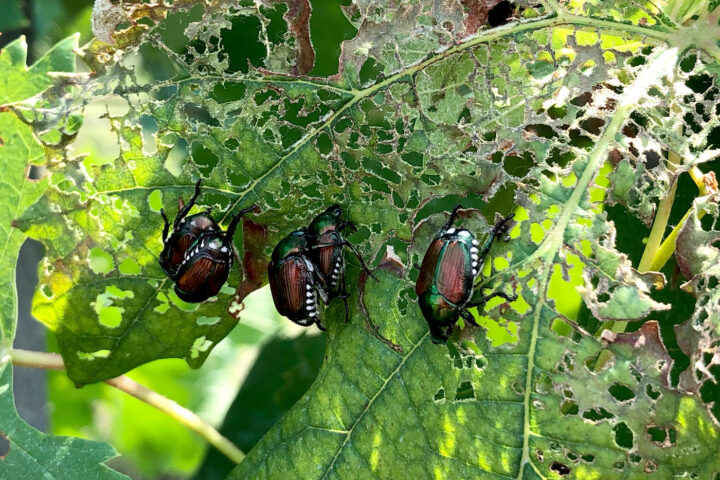
Invasiven Japankäfer sofort melden!
Der gefrässige Japankäfer droht sich in der Schweiz auszubreiten. Er wurde vor vier Jahren in die Schweiz eingeschleppt und zum ersten Mal im Kanton Tessin entdeckt. Um die Ausbreitung des Schädlings zu verhindern, arbeitet die Forschungsstelle Agroscope mit der Tessiner Bevölkerung zusammen.
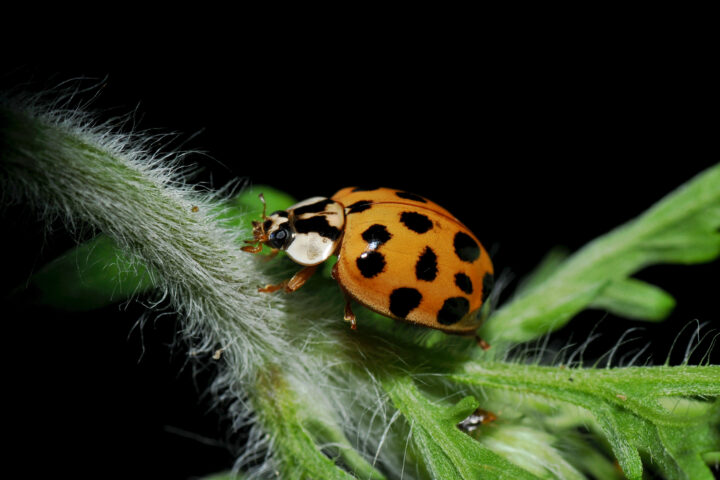
Invasive Arten mitverantwortlich fürs Artensterben
Der UNO-Weltrat für biologische Vielfalt hat die Rolle von invasiven gebietsfremden Arten beim Artensterben untersucht. Die Schlussfolgerungen des Berichts sind dramatisch: Invasive gebietsfremde Arten stellen für Natur, Wirtschaft, Ernährungssicherheit und menschliche Gesundheit eine grosse Gefahr dar.
Invasive Arten gefährden einheimische Pflanzen
Die wirtschaftliche Verflechtung der Welt hat über die vergangenen Jahre und Jahrzehnte stark zugenommen. Durch die rege Handelstätigkeit zwischen den Kontinenten verbreiten sich auch invasive Pflanzen- und Tierarten immer schneller. Für die einheimische Vegetation und Landwirtschaft kann dies zu ernsthaften Problemen führen. Der Kanton Tessin ist gemäss BAFU besonders stark betroffen.
Unerwünschte Einwanderer: Warum Pestizide bei invasiven Arten unverzichtbar sind
Sie sind klein, reisefreudig und äusserst hartnäckig: Invasive Arten breiten sich in der Schweiz zunehmend aus. Ob Japankäfer, Asiatische Hornisse, Tigermücke oder neu entdeckte Ameisenarten – die ungebetenen Gäste bedrohen nicht nur unsere einheimische Natur, sondern auch Landwirtschaft und Siedlungsgebiete. Es braucht dringend Pestizide – also Biozide und Pflanzenschutzmittel – , um die Schädlinge wirksam zu bekämpfen.

«Biologicals» – Biowirkstoffe aus der Forschung
Moderne Pflanzenschutzmittel müssen sicher, zielgerichtet und kurzlebig sein, also kurz nach Erreichen des Ziels abgebaut werden, ohne biologisch aktive Abbauprodukte zu hinterlassen.
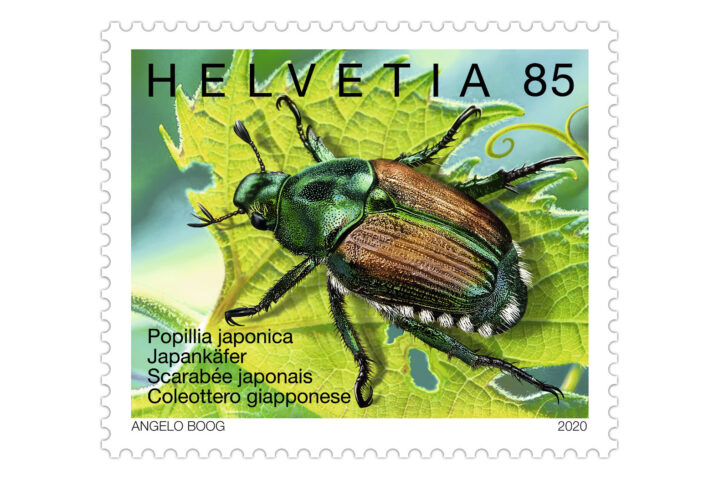
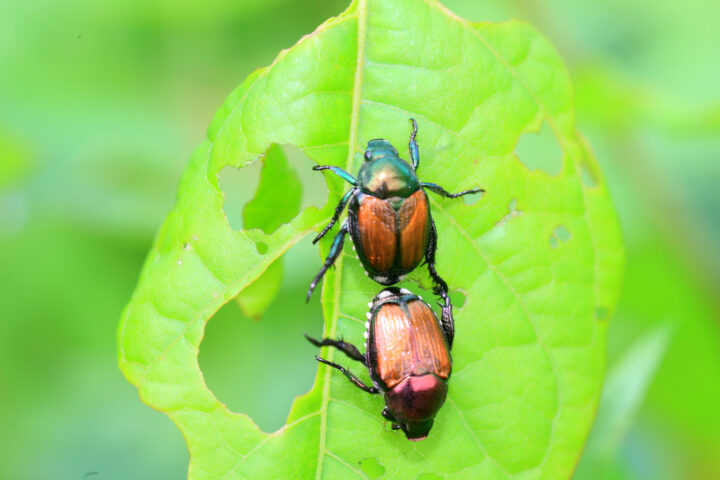
Reisefreudiger Japankäfer bedroht einheimische Pflanzen
Der Japankäfer wurde in der Schweiz zum ersten Mal im Jahr 2017 im Tessin entdeckt. Nun hat er es auf die Alpennordseite geschafft. Nach Funden in Basel-Stadt und Solothurn ist in Kloten erstmals eine grössere Population der Käfer gefunden worden. Sie werden mit Fallen, aber auch Pflanzenschutzmitteln bekämpft.

Um Insekten steht es besser als vermutet
Die Abnahme der Insekten ist kleiner als vermutet. Eine länderübergreifende Meta-Studie zeigt, dass weder bezüglich der Ergebnisse noch der Ursachen vereinfachende Schlussfolgerungen zu ziehen sind.
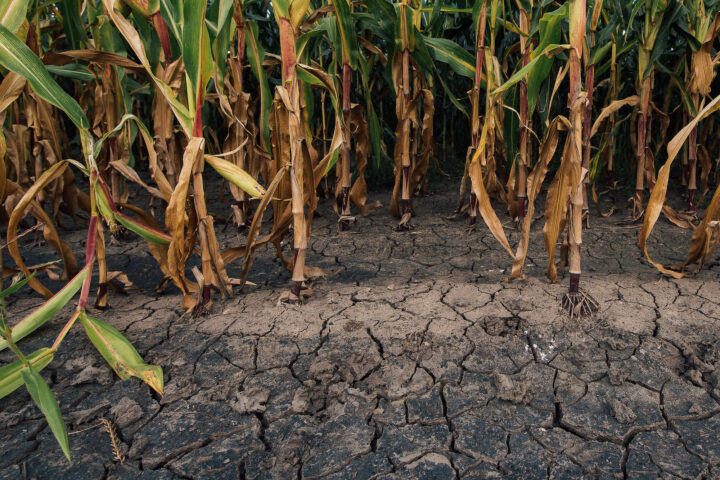
Klimawandel erfordert Präzisionszüchtung
Durch den Klimawandel wird es in Mitteleuropa tendenziell heisser und trockener. Um Ernten auch vor invasiven Schädlingen schützen zu können, braucht es robuste neue Pflanzensorten. Damit die Pflanzenzüchtung mit dem Klimawandel mithalten kann, bieten sich innovative Methoden wie die Präzisionszüchtung mittels Genom-Editierung an.
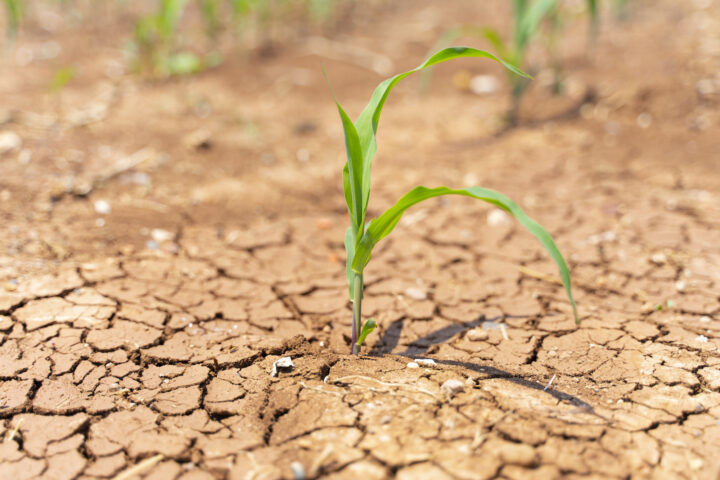
Dürretoleranter Mais als Reaktion auf Klimawandel
Der Klimawandel stellt die Landwirtschaft vor zunehmende Herausforderungen. Mit Hochdruck arbeitet die Pflanzenzüchtung deshalb an der Entwicklung von Sorten mit besserer Widerstandsfähigkeit gegen Umweltstress.
Artenvielfalt
Die «Artenvielfalt» ist neben der «Vielfalt der Gene» und der «Vielfalt der Lebensräume» eine von drei Ebenen der Biodiversität. Sie bezeichnet die Fülle an verschiedenen Pflanzen, Tieren sowie Mikroorganismen in einem bestimmten Gebiet.
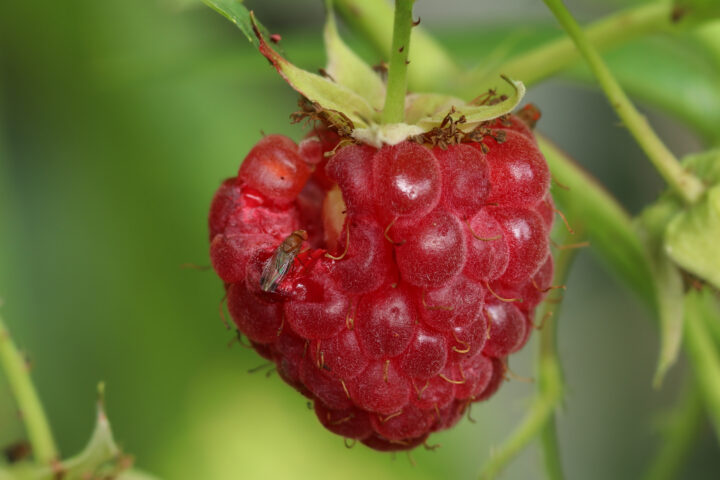
Weil Pflanzen Schutz vor Schädlingen und Krankheiten brauchen
Die Gesundheit unserer Nutzpflanzen ist keine Selbstverständlichkeit. Im Gegenteil: In unserer von Mobilität geprägten Welt verbreiten sich Schädlinge und Pflanzenkrankheiten wie ein Lauffeuer. Als Brandbeschleuniger wirkt der Klimawandel. Wenn Schädlinge migrieren und sich neue Pflanzenkrankheiten in unseren Breitengraden etablieren, können sie zur Gefahr für einheimische Arten werden. Daran erinnert jeweils am 12. Mai der internationale Tag der Pflanzengesundheit. Und der Tag zeigt: Um die Pflanzengesundheit auch in Zukunft zu gewährleisten, braucht es vor allem Forschung und Innovation.
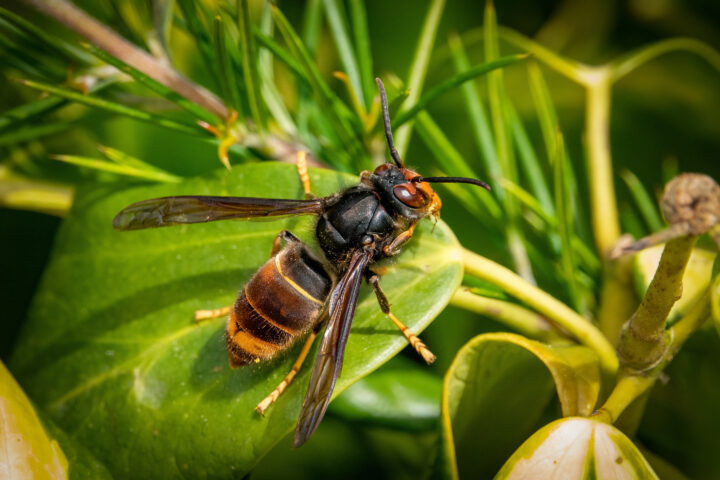
Asiatische Hornisse bedroht einheimische Honigbiene
In der Schweiz breiten sich immer mehr invasive Schädlinge aus. Das jüngste Beispiel ist die Asiatische Hornisse, die eine grosse Gefahr für die einheimische Honigbiene darstellt. Aber auch andere invasive Arten bedrohen Landwirtschaft und Biodiversität. Die Bekämpfungsmassnahmen sind vielfältig. Doch Pestizide (Pflanzenschutzmittel und Biozide) bleiben ein wichtiges Instrument im Kampf gegen die Schädlinge.
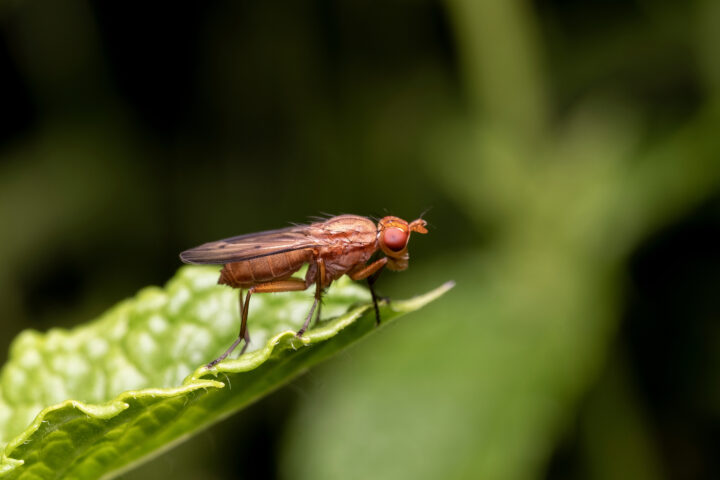
Kirschessigfliege bedroht Hochstammbäume
In der Schweiz gibt es immer weniger Hochstammbäume. Ihre Pflege ist einerseits aufwendig, andererseits verursacht die eingeschleppte Kirschessigfliege riesige Schäden an den Früchten.

Greenpeace und die Sache mit den Fakten
Greenpeace kämpft seit Jahrzehnten erbittert gegen die grüne Gentechnik. «SWR Wissen» ging der Frage nach, warum sich die Umweltkampagnenorganisation so ins Thema verbissen und von der wissenschaftlichen Evidenz gelöst hat. Im Fall des «Golden Rice» sind die Folgen besonders krass. Aber auch bei den neuen Züchtungsmethoden droht der Alarmismus wichtige Innovationen zu blockieren.

Warum sich die Notfallzulassungen häufen
«Blick» und «Beobachter» berichten, dass der Bund auf Antrag der Herstellerfirmen immer häufiger Notfallzulassungen bei Pflanzenschutzmitteln bewillige und suggerieren, dass damit im Schweizer Markt verbotene Substanzen quasi durch die Hintertüre wieder ausgebracht würden. Die Geschichte ist so süffig wie falsch. Richtig ist hingegen: Es gibt immer mehr Schädlinge, gegen die keine zugelassenen Mittel zur Verfügung stehen. Der Zulassungsprozess stockt.

Schädlinge bedrohen zunehmend Obst-, Beeren- und Weinernte
Der Obst-, Beeren- und Weinbau wird zunehmend durch Schädlinge wie den Japankäfer, die Fleckenminiermotte und die Mittelmeerfruchtfliege bedroht. Die Produzenten schlagen Alarm – doch es fehlt an Pflanzenschutzmitteln, die den Schädlingen den Garaus machen können.

«Hierzulande Bio, in den Philippinen verboten»
Auf den Philippinen hat Greenpeace das Verbot von Bt-Auberginen und Golden Rice erwirkt. Unfassbar: Das gleiche Bakterium, das die Umweltorganisation dort als gefährlich diffamiert, wird in der Schweiz als Bio gepriesen.

Dieses Insekt bedroht deutsche Bauern existenziell
Die Schilf-Glasflügelzikade breitet sich rasant aus und bedroht Kartoffeln, Zuckerrüben und andere Kulturen. Ihre bakteriellen Erreger führen zu massiven Ernteverlusten. Besonders betroffen ist derzeit Deutschland, doch auch in der Schweiz mehren sich die Anzeichen für eine wachsende Bedrohung.
Bedrohung durch Asiatische Hornissen nimmt weiterhin zu
Die Asiatische Hornisse stellt schon seit einigen Jahren eine Bedrohung für die einheimische Honigbiene dar. Die Situation spitzt sich immer weiter zu. Die Rede ist von viermal mehr Nestern als im Vorjahr. Der Schädling gefährdet die Biodiversität. Auch die Politik ist alarmiert.

Preisexplosion bei Kaffee, Kakao und Olivenöl
Die Preise für Kakao, Kaffee und Olivenöl haben in den letzten Monaten neue Rekorde erreicht. 2025 wird es die Konsumenten besonders treffen – sie werden den Preisanstieg massiv spüren. Innovationen wie neue Züchtungstechnologien oder moderne Pflanzenschutzmittel könnten Abhilfe schaffen – doch dafür müsste die Politik die richtigen Rahmenbedingungen schaffen.

Warum Hauskatzen die Biodiversität bedrohen
In Schottland wird derzeit über ein Haltungsverbot für Hauskatzen diskutiert. Der Grund: Getrieben durch ihren Jagdinstinkt sind sie in der Lage, ganze Tierarten auszurotten. Auch in der Schweiz hat man die «Büsi»-Problematik auf dem Schirm. Hausarrest oder Verbote hätten aber kaum eine Chance – denn die Katzen-Lobby ist nicht zu unterschätzen.

Insektensterben: Die Fakten hinter dem Alarm
Medien berichten von einem «Insektensterben» – teils sogar von einem «Insekten-Armageddon». Doch was sagen die wissenschaftlichen Daten wirklich? Ein neuer Beitrag des Genetic Literacy Project zeigt: Die Lage ist ernst, aber längst nicht so dramatisch, wie oft dargestellt wird.

Gefrässiger Falter auf dem Vormarsch
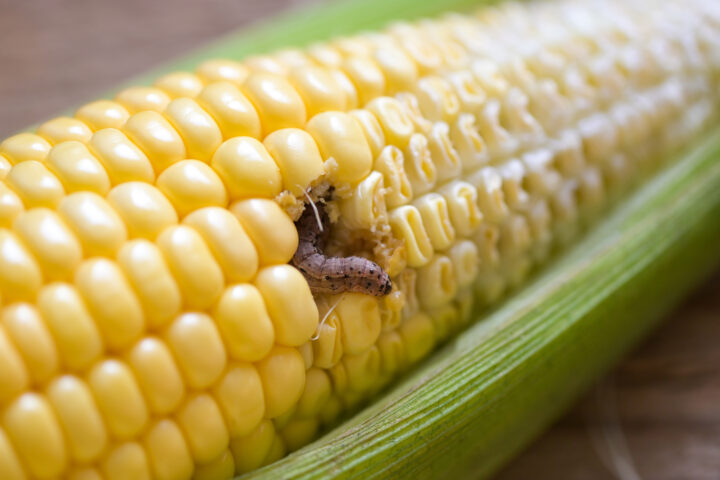
Einmal mehr macht ein neuer Schädling den Schweizer Bauern das Leben schwer. Die wandernde Baumwollkapseleule wurde 2025 erstmals wieder in der Schweiz gesichtet. Sie frisst sich durch Bohnen, Mais und andere Kulturen – mit verheerenden Folgen für die Ernte.

Schnellere Zulassung für Pflanzenschutzmittel längst überfällig
Die Schweiz verbietet fleissig Wirkstoffe, die auch in der EU vom Markt genommen werden. Umgekehrt steht sie auf der Bremse: Moderne Mittel, die in Nachbarländern zugelassen sind, bleiben blockiert. Mit der Annahme der Änderung des Landwirtschaftsgesetzes hat der Nationalrat nun aber einen wichtigen Schritt für die schnellere Zulassung von Pflanzenschutzmitteln getan.
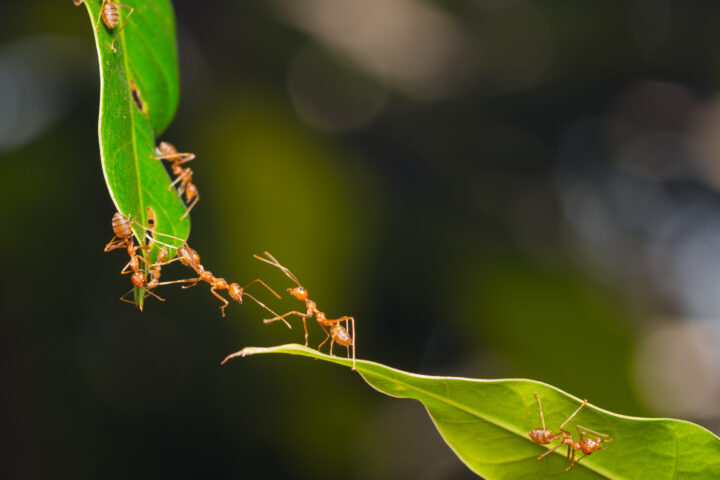
Ameisenplage bedroht Zürcher Gemeinden
Eine invasive Ameise aus dem Mittelmeerraum breitet sich rasant im Kanton Zürich aus und bedroht Gemeinden ebenso wie Bauprojekte und Landwirtschaft. Insektizide könnten helfen – doch deren Einsatz ist nach wie vor stark eingeschränkt.
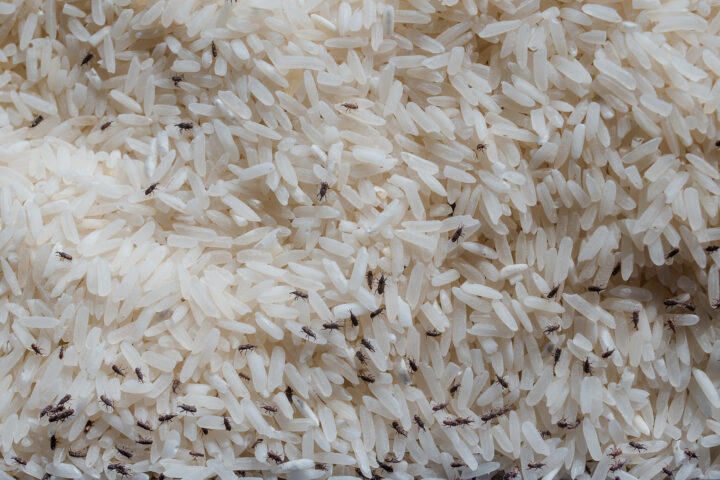
Kornkäfer frisst sich durch Schweizer Getreidelager
Der Kornkäfer breitet sich in Schweizer Getreidelagern aus. Eingeschleppt über den internationalen Handel, gefährdet er Ernten und verschlechtert die Qualität von Lebensmitteln.
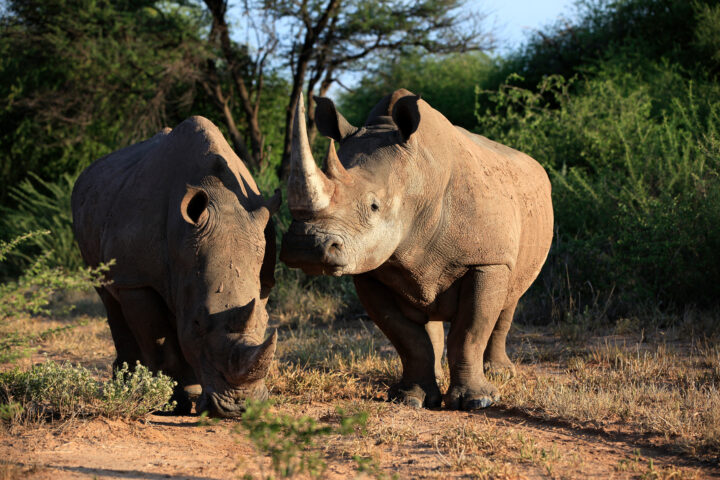
Biotechnologie als Werkzeug für den Naturschutz
Neue genomische Technologien können helfen, bedrohte Arten zu retten – vom Kastanienbaum bis zum Weissen Breitmaulnashorn.
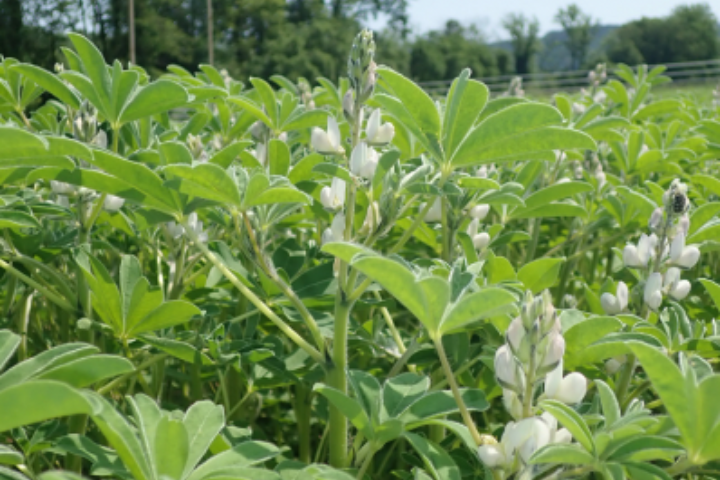
Superfood mit Ecken und Kanten
Die Süsslupine ist Biovisions «Superfood des Jahres 2026». Sie liefert viel Protein, verbessert Böden und fördert die Biodiversität. Doch der Blick auf die Praxis zeigt: Ohne Züchtung, Pflanzenschutz und Innovation bleibt auch dieses Superfood eine Herausforderung.

Das grosse Leiden der Landwirte
Feuerbrand, Japankäfer oder die Goldgelbe Vergilbung – auch im Wallis sehen sich die Bauern den Gefahren, welche die Natur bereithält, zunehmend hilflos gegenüber. Vor allem fehle ihnen immer öfter die Mittel, um ihre Kulturen wirksam zu schützen. Umso wichtiger ist es, dass der Bundesrat beim Festlegen von Grenzwerten eine pragmatische Güterabwägung in den Vordergrund stellt.

Rekordhitze 2026: Warum die Landwirtschaft robuste Sorten braucht
Hitze, Dürre und Hagel haben den Schweizer Bauern 2026 schwer zugesetzt. Im NZZ-Interview warnt Adrian Aebi, Chef des grössten Schweizer Ernteversicherers: «Machen wir so weiter, blutet die Landwirtschaft aus». Für die Zukunft braucht es vor allem robuste Sorten, die Hitze und Trockenheit aushalten.
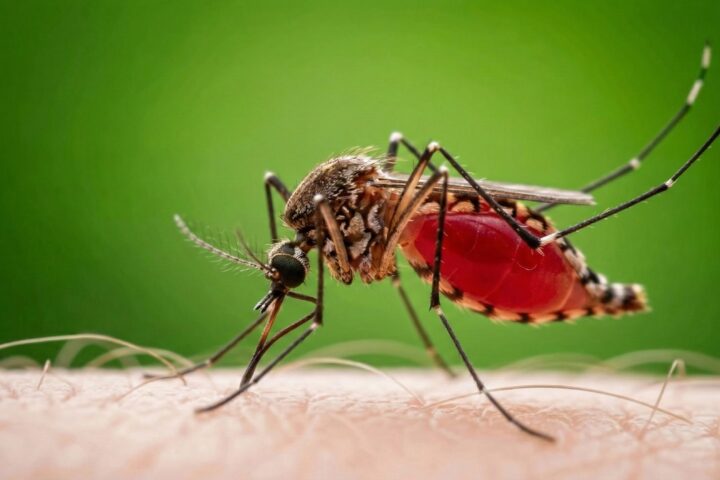
Tigermücke: Bund setzt auf Massnahmenplan – doch Insektizide bleiben tabu
Invasive Arten wie die Asiatische Tigermücke breiten sich in der Schweiz zunehmend aus. Der Bund schlägt Alarm und will der Mücke mit einem nationalen Massnahmenplan den Garaus machen. Das wirksamste Mittel bleibt aber aussen vor: Insektizide.
Les espèces invasives menacent les plantes indigènes
L'interdépendance économique du monde s'est fortement accrue au cours des dernières années et décennies. En raison de l'activité commerciale intense entre les continents, les espèces végétales et animales invasives se propagent également de plus en plus rapidement. Cela peut entraîner de sérieux problèmes pour la végétation et l'agriculture indigènes. Selon l'OFEV, le canton du Tessin est particulièrement touché.
Espèces invasives : une menace majeure pour la biodiversité
Le rôle des espèces exotiques envahissantes dans l'extinction des espèces a été minutieusement étudié par le Conseil mondial des Nations unies pour la diversité biologique.
Envahisseurs indésirables : pourquoi les pesticides sont indispensables contre les espèces invasives
Ils sont petits, voyageurs et extrêmement tenaces : les espèces invasives se répandent de plus en plus en Suisse. Qu’il s’agisse du scarabée japonais, du frelon asiatique ou de nouvelles espèces de fourmis récemment découvertes, ces invités indésirables menacent non seulement notre nature indigène, mais aussi l’agriculture et les zones habitées. Il est urgent de recourir aux pesticides – c’est-à-dire aux biocides et aux produits phytosanitaires – afin de lutter efficacement contre ces nuisibles.
Les ravageurs invasifs voyagent avec nous
Les ravageurs et les maladies végétales invasives font partie des plus grands défis pour la biodiversité et l'agriculture. Ils arrivent souvent en Suisse par le biais du trafic touristique ainsi que par l'importation de marchandises et causent d'importants dégâts aux plantes cultivées et sauvages. Depuis 2020, l'importation de plantes en provenance de pays non membres de l'UE est interdite. Les ravageurs introduits sont toutefois un problème mondial.
Le scarabée du Japon, grand voyageur, menace les plantes indigènes
Le scarabée du Japon a été découvert pour la première fois en Suisse en 2017 au Tessin. Il a désormais atteint le nord des Alpes. Après des découvertes à Bâle-Ville et à Soleure, une population importante de coléoptères a été trouvée pour la première fois à Kloten. Ils sont combattus à l'aide de pièges, mais aussi de produits phytosanitaires.
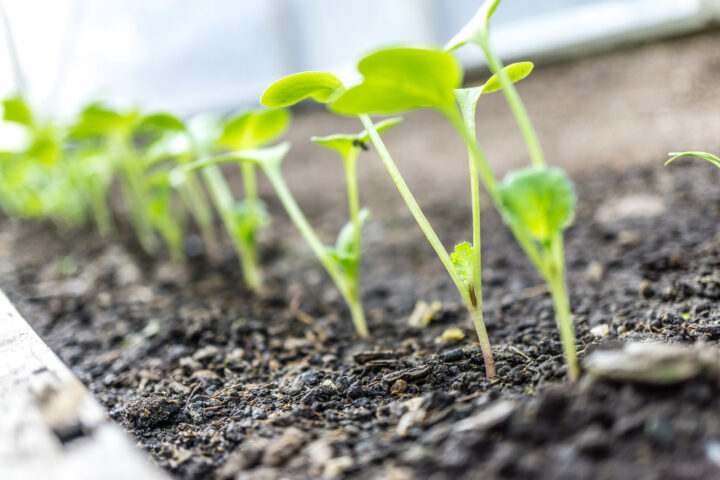
La Suisse et l’UE dans la course aux nouvelles techniques de sélection
Tant la Suisse que l’UE s’apprêtent à revoir la réglementation de la sélection végétale. Une réévaluation des nouvelles techniques de sélection (NBT), tel le CRISPR/Cas, est notamment attendue. Ces techniques permettent de sectionner l’ADN d’une plante à un endroit précis pour y introduire de nouveaux gènes ou inhiber des caractères indésirables. Elles pourraient apporter une contribution déterminante pour évoluer vers plus de développement durable, lutter contre le gaspillage alimentaire et renforcer la sécurité alimentaire.
Parce que les plantes ont besoin d'être protégées contre les parasites et les maladies
La santé de nos plantes utiles ne va pas de soi. Au contraire : dans notre monde marqué par la mobilité, les ravageurs et les maladies des plantes se répandent comme une traînée de poudre. Le changement climatique agit comme un accélérateur. Lorsque les ravageurs migrent et que de nouvelles maladies végétales s'établissent sous nos latitudes, elles peuvent devenir un danger pour les espèces indigènes.
Le frelon asiatique menace les abeilles indigènes
De plus en plus de ravageurs invasifs se propagent en Suisse. L'exemple le plus récent est le frelon asiatique, qui représente un grand danger pour l'abeille mellifère indigène. Mais d'autres espèces invasives menacent également l'agriculture et la biodiversité. Les mesures de lutte sont multiples. Mais les pesticides (produits phytosanitaires et biocides) restent un instrument important dans la lutte contre les nuisibles.
La mouche du vinaigre menace les arbres fruitiers de haute tige
En Suisse, le nombre d'arbres fruitiers de haute tige diminue de manière alarmante. Leur entretien est complexe, mais le plus grand fléau provient de la mouche du vinaigre de cerise, une espèce invasive, qui endommage gravement les fruits.
Greenpeace et l'affaire des faits
Depuis des décennies, Greenpeace se bat avec acharnement contre le génie génétique vert. SWR Wissen s'est penché sur la question de savoir pourquoi l'organisation de campagne environnementale s'est autant investie dans le sujet et s'est détachée des preuves scientifiques. Dans le cas du "Golden Rice", les conséquences sont particulièrement criantes. Mais l'alarmisme risque également de bloquer d'importantes innovations dans le domaine des nouvelles méthodes de culture.
Sueur d'angoisse comme appel à l'aide
Les plantes vivent dangereusement. Elles sont entourées de prédateurs. Mais elles ne sont pas totalement à la merci. C'est ce que montrent des décennies de recherche. En cas d'attaque, les plantes dégagent par exemple des substances odorantes. Cette découverte pourrait conduire à de nouvelles stratégies de protection des plantes. Il n'est toutefois pas encore certain que cela aboutisse un jour à un produit largement utilisé.
Pourquoi les homologations d'urgence se multiplient-elles ?
Le Blick et le Beobachter rapportent que la Confédération autorise de plus en plus souvent des homologations d’urgence pour les produits phytosanitaires à la demande des entreprises productrices et suggèrent que des substances interdites sur le marché suisse seraient ainsi réintroduites quasiment par la petite porte. L'histoire est aussi attrayante que fausse. Ce qui est vrai en revanche, c'est qu'il y a de plus en plus de ravageurs contre lesquels il n'existe pas de produits autorisés. Le processus d'homologation est au point mort.

Les frites se font rares
Les plants de pommes de terre risquent de manquer en 2024. En cas de pénurie de plants de pommes de terre, il ne sera pas possible de récolter les fameuses sources d'hydrates de carbone. Et comme les plants de pommes de terre sont rares dans toute l'Europe, l'importation devient elle aussi difficile. Selon Swisspatat, les variétés à frites sont particulièrement touchées.
Les ravageurs menacent de plus en plus les récoltes de fruits, de baies et de vin
La culture des fruits, des baies et de la vigne est de plus en plus menacée par des ravageurs tels que le coléoptère du Japon, la mineuse tachetée et la mouche méditerranéenne des fruits. Les producteurs tirent la sonnette d'alarme - mais les produits phytosanitaires capables de venir à bout de ces ravageurs font défaut.
Pourquoi les chats domestiques menacent la biodiversité
En Écosse, on discute actuellement d'une interdiction de détenir des chats domestiques. La raison : poussés par leur instinct de chasseur, ils sont capables d'exterminer des espèces entières. En Suisse aussi, on s'intéresse à la problématique des chats.
La biotechnologie comme outil pour la conservation de la nature
De nouvelles technologies génomiques peuvent aider à sauver des espèces menacées – du châtaignier à l’hippopotame blanc du Nord.
La grande détresse des agriculteurs
Feu bactérien, scarabée japonais ou flavescence dorée – dans le Valais aussi, les agriculteurs se sentent de plus en plus démunis face aux dangers que recèle la nature. Il leur manque de plus en plus souvent les moyens de protéger efficacement leurs cultures. Il est donc d’autant plus important que le Conseil fédéral privilégie une pesée pragmatique des intérêts lors de la fixation des valeurs limites.
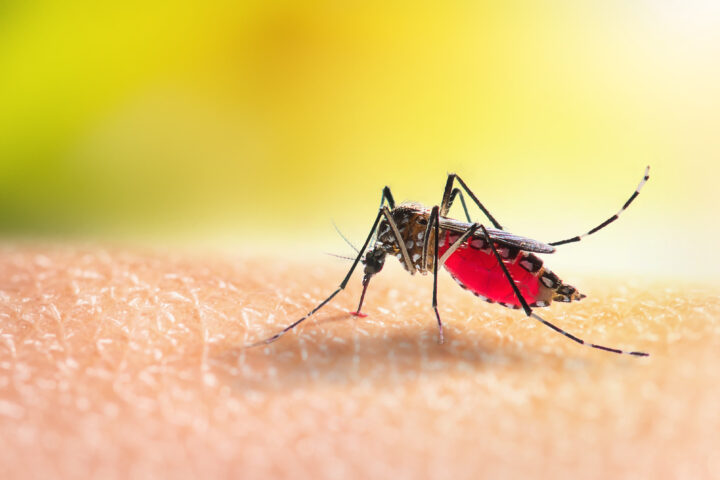
Gene Drive contre le paludisme : bénédiction ou pari écologique ?
Des maladies comme le paludisme font chaque année des centaines de milliers de victimes. Avec le « gene drive », un outil existe désormais qui pourrait théoriquement éradiquer les moustiques vecteurs. Mais cette perspective soulève des questions fondamentales sur les plans éthique et écologique.
Moustique tigre : Pourquoi les insecticides restent-ils tabous malgré le plan d'action de la Confédération ?
Des espèces invasives telles que le moustique tigre asiatique se propagent de plus en plus en Suisse. La Confédération tire la sonnette d'alarme et veut faire mordre la poussière au moustique grâce à un plan d'action national. Mais le moyen le plus efficace reste exclu : les insecticides.
Invasive pests travel with us
Invasive pests and plant diseases are among the greatest challenges for biodiversity and agriculture. They often enter Switzerland via travel and imported goods and cause great damage to cultivated and wild plants. Since 2020, the import of plants from non-EU countries is prohibited. However, introduced pests are a worldwide problem.
Invasive species threaten native plants
The economic interdependence of the world has increased greatly over the past years and decades. Due to the brisk trade activity between the continents, invasive plant and animal species are also spreading faster and faster. This can lead to serious problems for native vegetation and agriculture. According to the FOEN, the canton of Ticino is particularly affected.
Report the invasive Japanese beetle immediately!
The voracious Japanese beetle is threatening to spread in Switzerland. It was introduced to Switzerland four years ago and was first discovered in the canton of Ticino. To prevent the spread of the pest, the Agroscope research centre is working together with the people of Ticino. An innovative tool is being used to enable the rapid reporting of any discoveries of the Japanese beetle.
Invasive Species Play a Role in Species Extinction
The UN's Intergovernmental Science-Policy Platform on Biodiversity and Ecosystem Services (IPBES) has explored how invasive alien species contribute to species extinction. The report's findings are stark: Invasive alien species significantly threaten our natural environment, economy, food security, and health.
Unwanted Invaders: Why Pesticides Are Essential in the Fight Against Invasive Species
They are small, highly mobile and extremely persistent: invasive species are spreading increasingly across Switzerland. Whether it is the Japanese beetle, the Asian hornet or newly discovered ant species, these unwelcome guests threaten not only native ecosystems, but also agriculture and residential areas. There is an urgent need for pesticides – including biocides and plant protection products – to combat these pests effectively.
«Biologicals» – biologically active substances from research
Modern crop protection products must be safe, targeted and short-lived – i.e. degraded shortly after reaching their target – without leaving behind biologically active degradation products.
Inhalt auf Deutsch
Traveling Japanese beetle threatens native plants
The Japanese beetle was first discovered in Switzerland in 2017 in Ticino. Now it has made it to the northern side of the Alps. After being found in Basel-Stadt and Solothurn, a larger population of the beetles has been found in Kloten for the first time. They are controlled with traps, but also pesticides.
Climate change requires precision breeding
Central Europe is becoming hotter and drier due to climate change. We need robust new crop varieties to protect harvests against invasive pests. Innovative methods, such as precision breeding using gene editing, can help growers keep pace with climate change.
Species diversity
In addition to the «diversity of genes» and the «diversity of habitats», species diversity is one of three levels of biodiversity. It describes the abundance of different plants, animals and microorganisms in a certain area.
Because plants need protection from pests and diseases
The health of our crops cannot be taken for granted. On the contrary: in our mobile world, pests and plant diseases are spreading like wildfire. Climate change acts as an accelerant. When pests migrate and new plant diseases establish themselves in our latitudes, they can become a threat to native species. The International Plant Health Day on 12 May is a reminder of this. And the day shows: to ensure plant health in the future, research and innovation are needed above all.
Asian hornet threatens native honey bee
More and more invasive pests are spreading in Switzerland. The most recent example is the Asian hornet, which poses a major threat to the native honey bee. But other invasive species also threaten agriculture and biodiversity. Control measures are many and varied. But pesticides (plant protection products and biocides) remain an important tool in the fight against the pests.
Greenpeace and the matter of facts
Greenpeace has been fighting bitterly against green genetic engineering for decades. SWR Wissen investigated why the environmental campaign organisation has become so entrenched in the issue and detached itself from scientific evidence. In the case of "Golden Rice", the consequences are particularly glaring. But alarmism also threatens to block important innovations in new breeding methods.
Anxious sweat as a cry for help
Plants live dangerously. They are surrounded by predators. But they are not completely at their mercy. Decades of research have shown this. For example, plants emit odours when attacked. This realisation could lead to new strategies for plant protection. However, it is still uncertain whether this will ever lead to a widely used product.
Why emergency authorisations are on the rise
Blick and Beobachter report that the federal government is increasingly approving emergency authorisations for crop protection at the request of manufacturing companies, suggesting that substances banned on the Swiss market are being reintroduced through the back door, so to speak. The story is as engaging as it is false. What is true, however, is that there are more and more pests for which no authorised products are available. The authorisation process is stalling.
French fries are becoming scarce
A shortage of seed potatoes is looming in 2024. If there is a shortage of seed potatoes, the popular carbohydrate suppliers cannot be harvested. And because seed potatoes are in short supply throughout Europe, importing them will also be difficult. According to Swisspatat, varieties of French fries are particularly affected.
Pests increasingly threaten fruit, berry and grape harvests
Fruit, berry and wine growing is increasingly threatened by pests such as the Japanese beetle, the spotted wing drosophila and the Mediterranean fruit fly. Producers are sounding the alarm – but there is a lack of pesticides that can put an end to the pests.
«Organic in this country, banned in the Philippines»
In the Philippines, Greenpeace has obtained a ban on Bt aubergines and golden rice. Incredibly, the same bacteria that the environmental organisation defames as dangerous there is being praised as organic in Switzerland.
This insect poses an existential threat to German farmers
The reed glasswing cicada is spreading rapidly and threatening potatoes, sugar beets and other crops. Its bacterial pathogens cause massive crop losses. Germany is currently particularly affected, but there are also increasing signs of a growing threat in Switzerland.
The threat posed by Asian hornets continues to grow
The Asian hornet has been posing a threat to native honey bees for several years. The situation is becoming increasingly serious. Reports speak of four times more nests than in the previous year. This pest threatens biodiversity. Politicians are also alarmed.
Price explosion for coffee, cocoa and olive oil
The prices for cocoa, coffee and olive oil have reached new record levels in recent months. Consumers will be particularly affected in 2025 – they will feel the price increase massively. Innovations such as new breeding technologies or modern crop protection products could help – but for that, politicians would have to create the right framework conditions.
Why domestic cats threaten biodiversity
A ban on keeping domestic cats is currently being discussed in Scotland. The reason: driven by their hunting instinct, they are able to wipe out entire species of animals. The cat problem is also on the agenda in Switzerland.
Insect decline: the facts behind the alarm
Insects are essential to our ecosystem: they pollinate plants, break down organic material and serve as a food source for many animals. So it is understandable that there is great concern when the media reports on ‘insect decline’ – and in some cases even on an impending ‘insect Armageddon’. But what do the scientific data really say? A new article by the Genetic Literacy Project shows that the situation is serious, but not nearly as one-sided and dramatic as it is often portrayed.
Voracious Moth on the Rise
Once again, a new pest is making life difficult for Swiss farmers. The migratory cotton bollworm has been spotted in Switzerland again in 2025. It feeds on beans, corn, and other crops – with devastating effects on harvests.
Faster Approval of Crop Protection Products Long Overdue
Switzerland diligently bans active substances that have also been withdrawn from the market in the EU. Conversely, it is dragging its feet: modern products that are approved in neighboring countries remain blocked. With the adoption of the amendment to the Agriculture Act, the National Council has now taken an important step toward faster approval of plant protection products.
Ant infestation threatens Zurich communities
An invasive ant from the Mediterranean region is spreading rapidly in the canton of Zurich, threatening communities, construction projects, and agriculture. Insecticides could help—but their use remains severely restricted.
Grain beetle eats its way through Swiss grain stores
The grain beetle is spreading in Swiss grain stores. Introduced via international trade, it threatens harvests and impairs food quality.
Reason Over Ideology: The International Union for Conservation of Nature (IUCN) Rejects a Blanket Ban on Genetically Modified Organisms – A Victory for Science
The extinction of species is accelerating rapidly. Innovative approaches are urgently needed. Genetically modified animals could help preserve species on the brink of extinction. Such projects deserve a fair chance.
Biotechnology as a Tool for Nature Conservation
New genomic technologies can help save endangered species – from the chestnut tree to the northern white rhino.
A Superfood with Benefits and Challenges
Sweet lupin is Biovision’s “Superfood of the Year 2026.” It delivers high protein content, improves soils and supports biodiversity. Yet a closer look at agricultural practice shows that without breeding, crop protection and innovation, even this superfood remains a challenging crop.
The Great Suffering of Farmers
Fire blight, Japanese beetles, or grapevine yellows – farmers in Valais, too, are increasingly feeling helpless in the face of the threats posed by nature. More and more often, they lack the means to effectively protect their crops. This makes it all the more important for the Federal Council to place a pragmatic balancing of interests at the forefront when setting threshold values.
Gene Drive Against Malaria: Blessing or Ecological Gamble?
Diseases such as malaria claim hundreds of thousands of lives every year. With so-called gene drive technology, scientists now have a tool that could theoretically eradicate the mosquitoes that spread these diseases. Yet the approach raises profound ethical and ecological questions.

Legionella, Japanese beetles, and market turbulences: What are the consequences of the dry heatwave summer 2026?
How do persistent heat and drought in the summer of 2026 impact health, agriculture, and the economy? The summer of 2026 exemplifies how heat and dry conditions are becoming a threat across various areas: from cooling systems and livestock housing to crops and consumer wallets.
Record Heat 2026: Why Agriculture Needs Resilient Crop Varieties
Heat, drought, and hail took a heavy toll on Swiss farmers in 2026. In an interview with the NZZ, Adrian Aebi, head of Switzerland's largest crop insurer, warns: "If we carry on like this, agriculture will bleed dry." Looking to the future, there is an urgent need for resilient crop varieties that can withstand heat and dry conditions.
Asian Tiger Mosquito: Federal Government Implements Action Plan – But Insecticides Remain Taboo
Invasive species such as the Asian tiger mosquito are increasingly spreading across Switzerland. The federal government is sounding the alarm and wants to put a stop to the mosquito with a national action plan. However, the most effective measure is being left out: insecticides.