

Gefundene Beiträge zu Ihrer Suche:

Biotechnologie
Biotechnologie steht als Sammelbegriff für eine Vielzahl von Verfahren, Produkten und Methoden. Nach der Definition der Organisation für wirtschaftliche Zusammenarbeit und Entwicklung (OECD) ist Biotechnologie die Anwendung von Wissenschaft und Technik auf lebende Organismen, Teile von ihnen, ihre Produkte oder Modelle von ihnen.
Biodiversität
Unter Biodiversität versteht man die Vielfalt des Lebens auf drei Ebenen: der «Vielfalt der Arten», der «Vielfalt der Gene» und der «Vielfalt der Lebensräume». Sie umfasst damit sämtliche auf der Erde existierenden Lebewesen und ist das Ergebnis von Millionen von Jahren Evolution. Sie ist nichts weniger als unsere Lebensgrundlage.
Biologicals
Landwirtschaftliche Biologicals sind eine vielfältige Gruppe von Pflanzenschutz-Strategien und -Produkten, die aus lebenden oder natürlich vorkommenden Materialien wie Mikroben oder Pflanzenextrakten hergestellt werden oder nützliche Insekten einsetzen. Sie können auch im Labor synthetisiert werden, sind aber in ihrer Zusammensetzung der Natur ähnlich.
Biozide
Biozide sind Wirkstoffe, die unerwünschte Lebewesen wie Schädlinge und Krankheitserreger abtöten oder in ihrer Lebensfunktion stark einschränken. Sie gehören zu den Pestiziden und werden zur Bekämpfung von Schadorganismen wie Insekten, Pilzen, Bakterien, Nager oder Algen eingesetzt.
Biologische Landwirtschaft
Die biologische Landwirtschaft ist gemäss Eigendefinition eine besonders naturnahe Form der Landwirtschaft, die vor rund 100 Jahren entwickelt wurde. Seit 20 Jahren ist diese Anbauform in der Schweiz auch durch Gesetze und die Bio-Verordnung definiert.
Rote Biotechnologie
Die «Rote Biotechnologie» befasst sich mit der Entwicklung therapeutischer und diagnostischer Verfahren und wird auch medizinische Biotechnologie genannt.
Bio-Pestizide
Auch die biologische Landwirtschaft ist auf den Einsatz von Pestiziden (Pflanzenschutzmittel und Biozide) angewiesen. Mehr als 40 % der in der Schweiz verkauften Pestizide sind für den Bio-Landbau zugelassen. Unter den zehn meistverkauften Pflanzenschutzmitteln in der Schweiz befinden sich vier Bio-Pestizide. Viele von Bio-Bauern eingesetzte Pflanzenschutzmittel sind nicht direkt natürlichen Ursprungs. So werden sämtliche im Bio-Landbau eingesetzten Kupfersalze synthetisch hergestellt.
Grüne Biotechnologie
Biotechnologische Methoden, die in der Landwirtschaft zum Einsatz kommen, werden «Grüne Biotechnologie» genannt. Dabei steht insbesondere die Züchtung neuer Pflanzensorten mithilfe biotechnologischer Verfahren im Vordergrund.
Weisse Biotechnologie
Die «Weisse Biotechnologie» bezieht sich auf diverse industriell hergestellte Produkte, bei denen biotechnologische Methoden angewandt werden. Dazu gehören beispielsweise Waschmittel, Kosmetikprodukte oder auch bestimmte Lebensmittel.
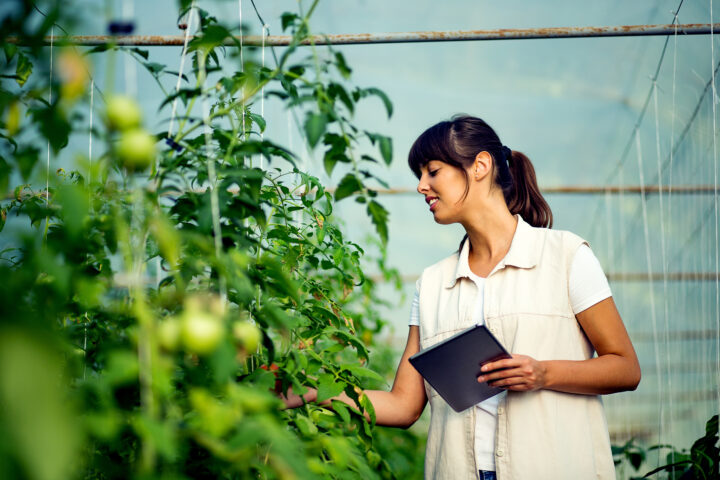
«Biologicals» – Biowirkstoffe aus der Forschung
Moderne Pflanzenschutzmittel müssen sicher, zielgerichtet und kurzlebig sein, also kurz nach Erreichen des Ziels abgebaut werden, ohne biologisch aktive Abbauprodukte zu hinterlassen.
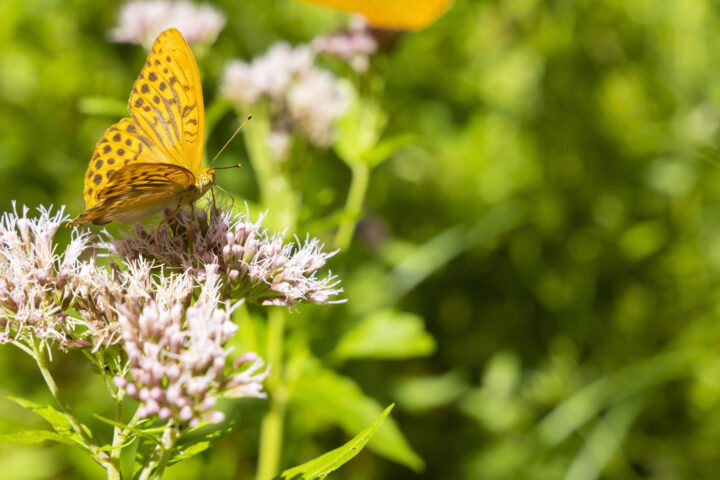
Mehr Bio bedeutet nicht mehr Biodiversität
Der Schlüssel zu mehr Biodiversität liegt gemäss einem Forscherteam der Universität Göttingen in einem landschaftlichen Mosaik an natürlichen Lebensräumen sowie kleinen und vielfältigen Anbauflächen.
Bio-dynamische Landwirtschaft
Die Bio-dynamische Landwirtschaft ist gemäss Eigendefinition eine umfassend ganzheitliche biologische Anbauweise ohne Kunstdünger und chemisch-synthetische Pestizide. Grundlage der sich laufend entwickelnden Methode bildet der «Landwirtschaftliche Kurs» von Rudolf Steiner in Koberwitz im Jahr 1924. Es geht im Kern darum, «Leben» in seiner Vielfalt zu begreifen und ganzheitlich zu fördern.
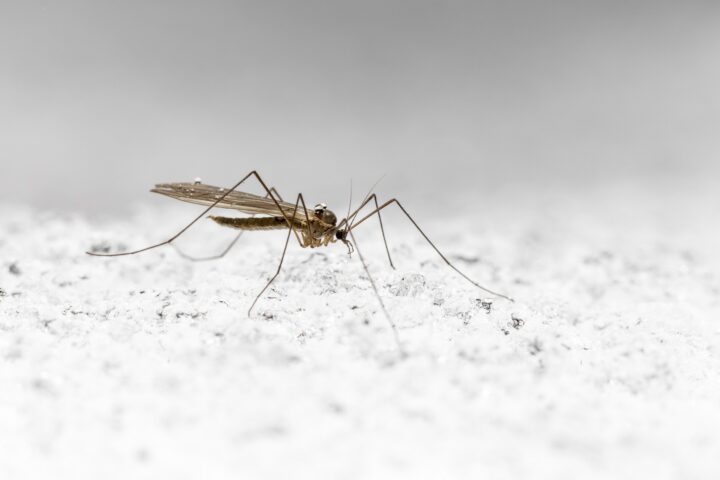
Biozide gegen Malaria
Malaria ist die häufigste Infektionskrankheit der Welt und endet in vielen Fällen tödlich. Mit einem Insektenschutzmittel (Biozid) aus der Pflanzenschutzforschung konnten die Ansteckungen deutlich reduziert werden.
Abiotischer / Biotischer Stress
Zahlreiche Stressfaktoren können einen negativen Einfluss auf das Wachstum und die Gesundheit von Pflanzen haben. Dazu zählen beispielsweise Insekten, Pilzkrankheiten, Unkräuter, Bakterien oder Viren – so genannte «biotische» Faktoren.
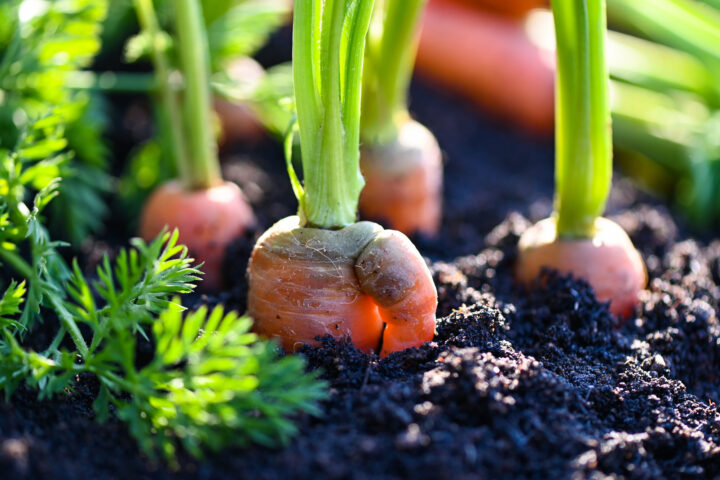
Ist Bio ökologischer?
Eine Studie der Technischen Universität München (TUM) stellt die These auf, dass die biologische Landwirtschaft deutlich geringere Umweltkosten verursache als die konventionelle Landwirtschaft. Der Agrarökonom Herbert Strübel widerspricht jedoch, da die deutlich niedrigeren Erträge der Biolandwirtschaft nicht in die Rechnung miteinbezogen werden.
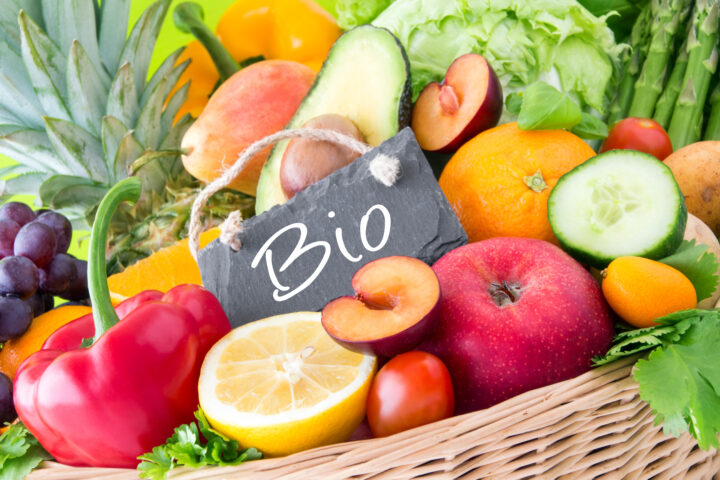
Ist Bio nachhaltiger?
Bio-Lebensmittel gelten als Vorzeigebeispiele für Nachhaltigkeit – doch in der Realität landen sie oft schneller im Abfall als konventionelle Produkte. Der Verzicht auf künstliche Konservierungsstoffe und modernen Pflanzenschutz verkürzt die Haltbarkeit drastisch und führt zu mehr Food Waste.
Biotech-Begeisterung bei Studierenden
Biotechnologie weckt Begeisterung. Sie erlebt mit der Corona-Pandemie ein steigendes Interesse in der Öffentlichkeit.

Warum Hauskatzen die Biodiversität bedrohen
In Schottland wird derzeit über ein Haltungsverbot für Hauskatzen diskutiert. Der Grund: Getrieben durch ihren Jagdinstinkt sind sie in der Lage, ganze Tierarten auszurotten. Auch in der Schweiz hat man die «Büsi»-Problematik auf dem Schirm. Hausarrest oder Verbote hätten aber kaum eine Chance – denn die Katzen-Lobby ist nicht zu unterschätzen.
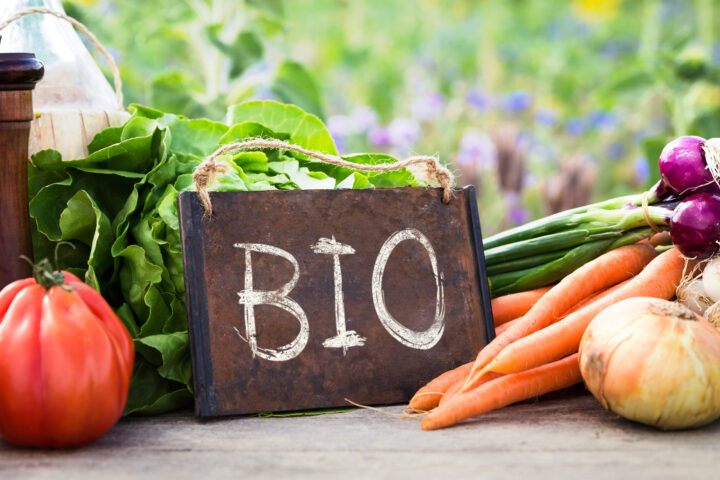
«Bio ist nicht automatisch gesünder»
Sind Pestizide im Urin zu finden, wenn man nur noch Bioprodukte konsumiert? Das fragte sich eine Journalistin der «CH-Media». Sie wollte mit einem Selbstversuch herausfinden, ob Biolebensmittel gesünder sind. Die Resultate wie die Expertenaussagen sprechen dagegen.

«Bio kommt ohne Pestizide aus.»
Dass Biolandwirte ohne Pestizide arbeiten, ist zwar eine weit verbreitete Ansicht, ist aber ganz klar falsch. Rund 60% der Schweizer Top-Ten-Pflanzenschutzmittel gehen in den Biolandbau. Biolandwirtschaft könnte ohne moderne synthetische Pflanzenschutzmittel in der jetzigen Form nicht existieren.
«Ist Bio wirklich gesünder?»
Ob ein Lebensmittel eine Auswirkung auf die menschliche Gesundheit hat, hängt in erster Linie von seiner Zusammensetzung ab. Früchte und Gemüse enthalten besonders viele Mikronährstoffe und sekundäre Pflanzenstoffe. Diese haben einen positiven Effekt auf die Gesundheit und sollten deshalb Bestandteil einer ausgewogenen Ernährung sein.
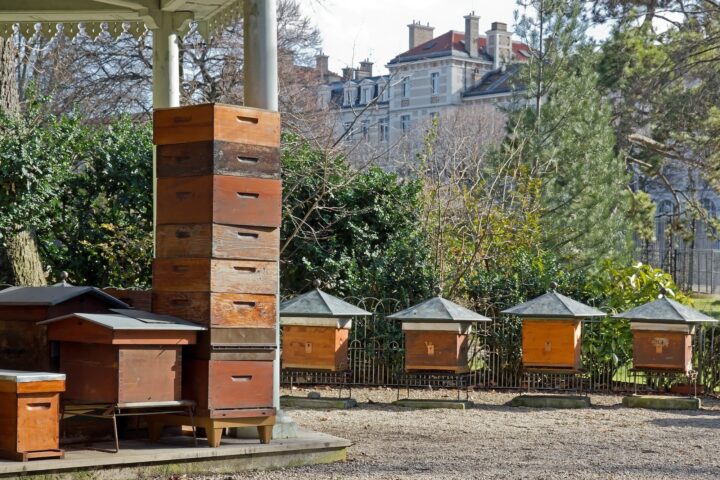
Hipster-Imkerei gefährdet Biodiversität
In Schweizer Städten boomt die Bienenzucht. Stadtbewohnerinnen und Stadtbewohner möchten damit einen Beitrag zur Erhaltung der Honigbiene leisten. Doch eine Studie der Forschungsanstalt WSL zeigt, dass die Hobbyimkerei nicht nachhaltig ist. Sie gefährdet die Biodiversität in Städten, indem die Honigbienen zunehmend Wildinsekten verdrängen.
ARTE-Dokumentation: Gentechnik in der Biolandwirtschaft?
Die ARTE-Dokumentation «Gentechnik in der Biolandwirtschaft?» beleuchtet zentrale Streitfragen der modernen Landwirtschaft: Ist der generelle Ausschluss neuer Züchtungstechnologien noch zeitgemäss? Lässt sich der Widerstand der Biolandwirtschaft wissenschaftlich begründen?

«Bio kann die Welt ernähren»
Zur Produktion der gleichen Menge an Lebensmitteln benötigt Bio rund 40 Prozent mehr Fläche als die konventionelle Landwirtschaft. Um die wachsende Weltbevölkerung komplett biologisch ernähren zu können, wären künftig bis zu 80 Prozent mehr Fläche notwendig.
Bioprodukte häufiger von Rückrufen betroffen
Bioerzeugnisse müssen überdurchschnittlich oft aus den Regalen von Detailhändlern entfernt werden. Der Grund sind Giftstoffe aus mitgeernteten Pflanzen oder aus Schimmelpilzen. Sie lassen sich im Biolandbau weniger gut kontrollieren als in der konventionellen Landwirtschaft.
«Chance der grünen Biotechnologie nutzen»
Die Schweiz muss in der Biotechnologie wieder bei der Spitzenklasse mitspielen und zur Bewältigung der globalen Herausforderungen beitragen. Dies erfordert mehr Mut und Offenheit gegenüber neuen Technologien.

Ohne Biozide leiden Tierwohl und Lebensmittelsicherheit
Am Swiss-Food Talk unterstrichen drei Experten die Bedeutung von Bioziden für die Landwirtschaft und die Lebensmittelverarbeitung. Ihr Fazit: Ohne Biozide könnten die Lebensmittelsicherheit und das Tierwohl nicht gewährleistet werden.
Bio: Luxus zulasten der Entwicklungsländer
Das «ZDF» befasst sich in einer Dokumentationssendung mit der Biolandwirtschaft. Sind Bioprodukte tatsächlich nachhaltiger und besser fürs Klima als vergleichbare Produkte aus der konventionellen Landwirtschaft? Aus dem Betrachtungswinkel der Ressourceneffizienz muss die Frage verneint werden: Aufgrund des grösseren Flächenbedarfs sind sie nicht nachhaltiger.

«Hierzulande Bio, in den Philippinen verboten»
Auf den Philippinen hat Greenpeace das Verbot von Bt-Auberginen und Golden Rice erwirkt. Unfassbar: Das gleiche Bakterium, das die Umweltorganisation dort als gefährlich diffamiert, wird in der Schweiz als Bio gepriesen.

Wie lässt sich Biodiversität effizient schützen?
Biodiversität ist eine wichtige Lebensgrundlage. Und das Thema ist sehr aktuell: Die Pflicht zur Ausscheidung von Biodiversitätsförderflächen in der Schweizer Landwirtschaft hat offensichtlich nicht die angestrebten Ziele erreicht. Die Artenvielfalt bleibt gemäss aktuellen Veröffentlichungen unter Druck. Dies ist Anlass für swiss-food, das Spannungsfeld Biodiversität und Landwirtschaft in den Mittelpunkt des periodischen Talks, der am 26. Juni stattgefunden hat, mit drei ausgewiesenen Experten zu stellen und Hintergründe auszuleuchten.

Wenn Bio-Produkte giftig sind
Reflexartig schreckt das Publikum vor Pestiziden zurück. Doch natürliche Gifte sind für Menschen sehr oft viel gefährlicher.

Biolandwirtschaft mit höherem CO2-Ausstoss
Auch die Landwirtschaft soll einen Beitrag zur Reduktion des CO2-Ausstosses leisten. Dabei zeigt sich Erstaunliches. Würde die Landwirtschaft zu 100 Prozent auf Bio umsteigen, erhöht sich gemäss einer britischen Studie ihr CO2-Ausstoss.

Nachhaltiges Essen aus dem Bioreaktor
Mehr Menschen ernähren und weniger Rohstoffe verschwenden – dieses Ziel erreichen wir dank «Nachhaltigkeit aus dem Labor», ist Tilo Hühn überzeugt. Der Food Architect forscht gemeinsam mit einem 80-köpfigen Team an der Zürcher Hochschule für Angewandte Wissenschaften (ZHAW) an nachhaltigen Ernährungslösungen.
Biotech-Züchtung in Afrika nützt Kleinbauern
Krankheiten wie die Kraut- und Knollenfäule bedrohen nicht nur die Kartoffeln europäischer Landwirte. Auch in Afrika sorgt die hartnäckige Pilzkrankheit regelmässig für massive Ernteausfälle.
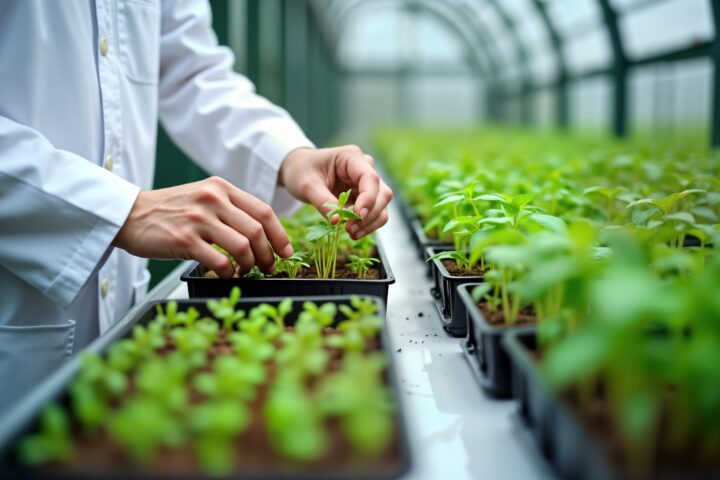
Die Biotechnologie hat erst begonnen
Als Frank Schirrmacher am 27. Juni 2000 die Seiten des Feuilletons der «Frankfurter Allgemeinen Zeitung» freiräumte, um über sechs Seiten das soeben erstmals entzifferte menschliche Genom Buchstabe für Buchstabe zu publizieren, rückte die Biotechnologie erstmals in den Fokus der breiten Öffentlichkeit.

Produktive Landwirtschaft für Klima und Biodiversität
Die Ansicht, dass Bio gut fürs Klima ist und die Biodiversität fördert, ist weit verbreitet. Doch sie erweist sich je länger je mehr als falsch.

Biolandbau keine Blaupause für die Welt
Biopapst Urs Niggli spricht sich in der «Frankfurter Allgemeinen Zeitung» gegen ideologische Grabenkämpfe zwischen der biologischen und konventionellen Landwirtschaft aus.

Mit DNA in der Luft Biodiversität messen
Die Biodiversität ist weltweit in Gefahr. Besonders stark zeigt sich dies beim Rückgang von Landinsekten. Forschende nutzen nun DNA-Spuren in der Luft, um Arten nachzuweisen. Damit kann die biologische Vielfalt auf der Erde besser gemessen werden.

Bio Suisse lehnt moderne Züchtungsmethoden ab
Die Delegierten von Bio Suisse lehnten an ihrer Versammlung vom April 2023 den Gebrauch von neuen Züchtungsmethoden in der biologischen Landwirtschaft ab. Damit verschliesst sich der Bio-Verband der Möglichkeit durch moderne Präzisionszüchtungen produktiver und zugleich nachhaltiger zu werden, etwa durch die Einzüchtung von Krankheitstoleranzen mit der Genschere Crispr/Cas. Wie der «Tages-Anzeiger» schreibt, fiel der Entscheid der Delegierten deutlich aus. Eine wirkliche inhaltliche Auseinandersetzung zum Thema habe nicht stattgefunden.
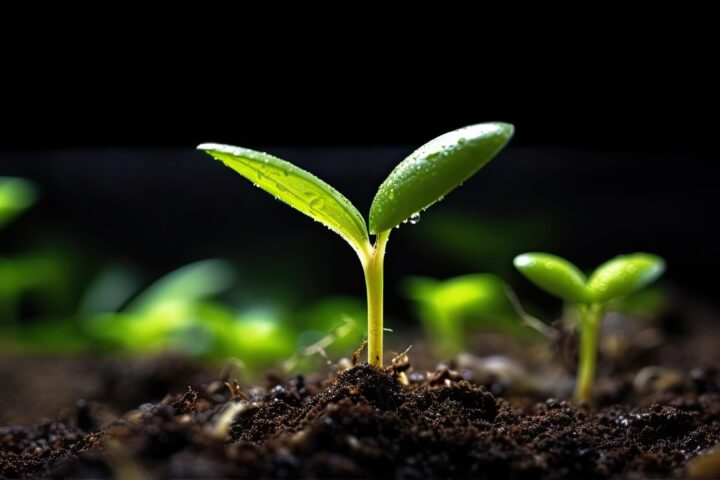
Genom-Editierung: Biolandwirtschaft verschliesst sich Fortschritt
Die EU will genomeditierte Pflanzen künftig gleich behandeln wie herkömmlich gezüchtete. Wie die «NZZ am Sonntag» schreibt, gleicht dies einer kleinen Revolution. Denn bis anhin war die kommerzielle Nutzung der Genschere aufgrund eines äusserst restriktiven Gentechnik-Gesetzes unmöglich. Aus wissenschaftlicher Sicht bringen neue Züchtungstechnologien Umwelt und Landwirten einen grossen Nutzen. Nur Bioverbände stellen sich weiterhin quer.
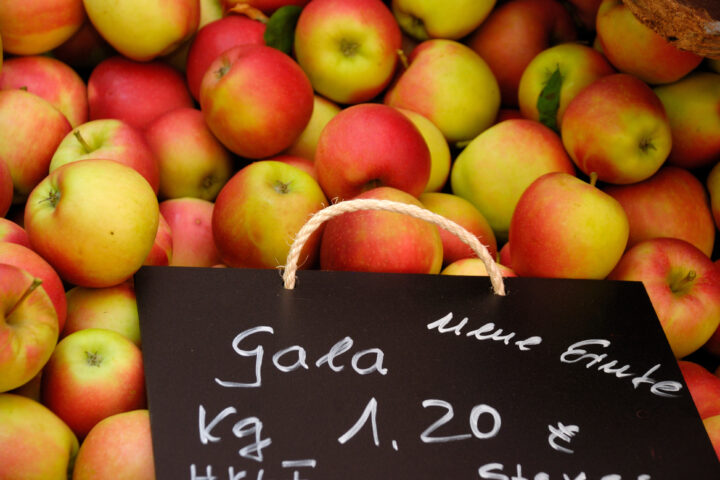
Biobauer fordert Genom-Editierung für den Obstbau
Die hohe Zahl an Pflanzenschutzbehandlungen fordert Biobauern stark. Einer davon ist Apfelbauer Marco Messerli aus Kirchdorf BE. Ganze 48-mal musste er anfällige Apfelsorten mit biologischen Pflanzenschutzmitteln behandeln. Zu viel, findet er und fordert jetzt die Zulassung von neuen Züchtungsmethoden. Experten geben dem Bauern Recht.
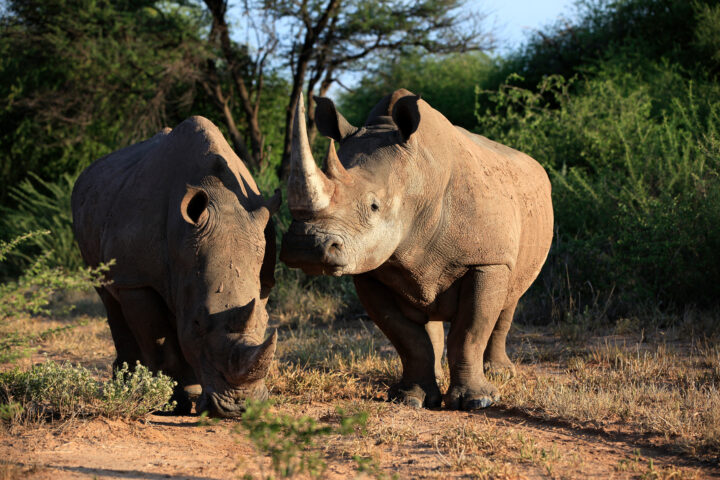
Biotechnologie als Werkzeug für den Naturschutz
Neue genomische Technologien können helfen, bedrohte Arten zu retten – vom Kastanienbaum bis zum Weissen Breitmaulnashorn.
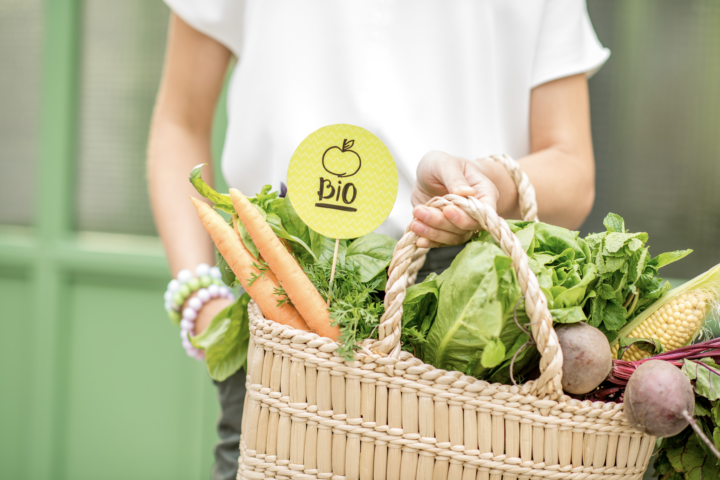
Old Stories Die Hard – wenn (Bio-)Marketing den Blick auf die Realität verstellt
Eine ORF-Doku zeigt, was viele Bio-Anhänger nicht hören wollen: Mutagenese ist Gentechnik – und steckt seit Jahrzehnten in unzähligen Sorten. Trotzdem fordern Bio-Händler wie REWE & dm Kennzeichnungspflichten für neue Züchtungsmethoden. Wissenschaftlich ergibt das keinen Sinn.
«Ein Drittel Bio löst das Problem nicht»
Landwirtschaftsminister Cem Özdemir hat die Biolandwirtschaft zum neuen Leitbild erklärt - mehrfach und zuletzt in einer Pressemitteilung von dieser Woche. Aber Özdemir sollte weiterdenken.
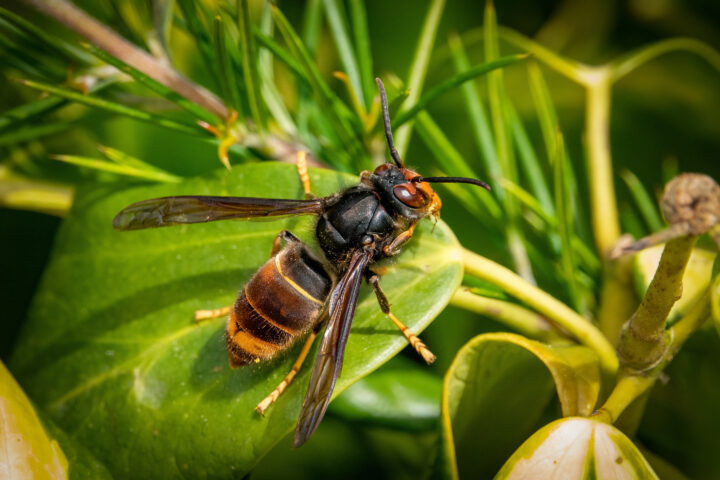
Bedrohung durch Asiatische Hornissen nimmt weiterhin zu
Die Asiatische Hornisse stellt schon seit einigen Jahren eine Bedrohung für die einheimische Honigbiene dar. Die Situation spitzt sich immer weiter zu. Die Rede ist von viermal mehr Nestern als im Vorjahr. Der Schädling gefährdet die Biodiversität. Auch die Politik ist alarmiert.
«Die Genschere revolutioniert auch den biologischen Pflanzenschutz»
Landwirtschaftlich genutzte Kulturpflanzen müssen sich veränderten Anforderungen anpassen. Die moderne Züchtung hat Instrumente wie etwa die Genschere hervorgebracht, welche die traditionellen Züchtungsmethoden sinnvoll ergänzen. Meinungsbeitrag von Urs Niggli.
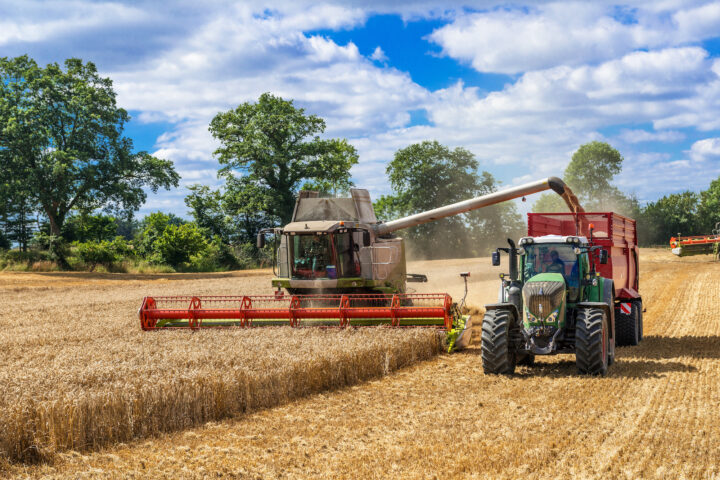
Der grosse Nutzen der Biotechnologie in der Landwirtschaft
Biotechnologisch gezüchtete Pflanzen werden seit rund 25 Jahren in vielen Teilen der Erde angebaut. Mehrere Publikationen belegen den grossen Nutzen der Biotechnologie in der Landwirtschaft. Der Anbau der Pflanzen wirkt sich positiv auf die Umwelt, das Klima und die Erträge von Bauern aus.
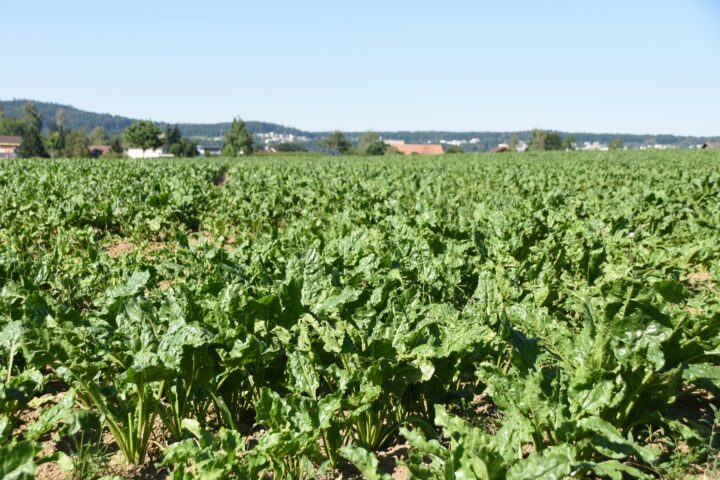
Bei Bio Suisse klaffen Schein und Wirklichkeit auseinander
Der Dachverband Bio Suisse hat sich in den vergangenen Jahrzehnten zu einer Organisation mit fast 100 Angestellten entwickelt. Um die vom Detailhandel geforderten Mengen und die hohe, auch optische Qualität des konventionellen Anbaus erzielen zu können kommt auch Bio Suisse nicht um Flächenspritzungen mit Insektiziden herum.
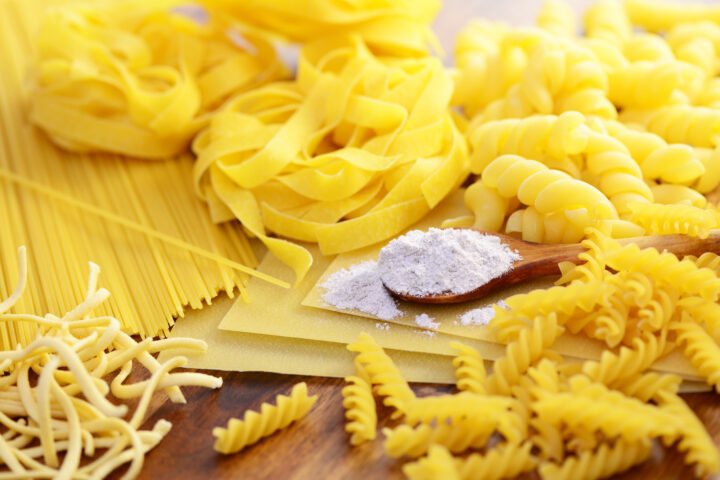
Auch die Nudeln aus dem Bio-Fachgeschäft können nicht ohne Gentechnik
Die EU debattiert derzeit über die Regulierung neuer Pflanzenzüchtungsmethoden. Auch in Deutschland ist die Diskussion im Gange. Das Wissensmagazin «Terra X» hat diese Diskussion zu Anlass genommen, um sich dem Thema ausführlicher zu widmen.
«Gäbe es nicht die Aussicht auf ein Patent, stünden wir heute ohne Biontech & Co. da.»
In den vergangenen hundert Jahren hat sich die Lebenserwartung der Menschen verdoppelt. Die Zahl der Kinder, die ihr erstes Jahr nicht überleben, hat sich im selben Zeitraum halbiert. In den Industrieländern darf ein Neugeborener heute damit rechnen, hundert Jahre alt zu werden.
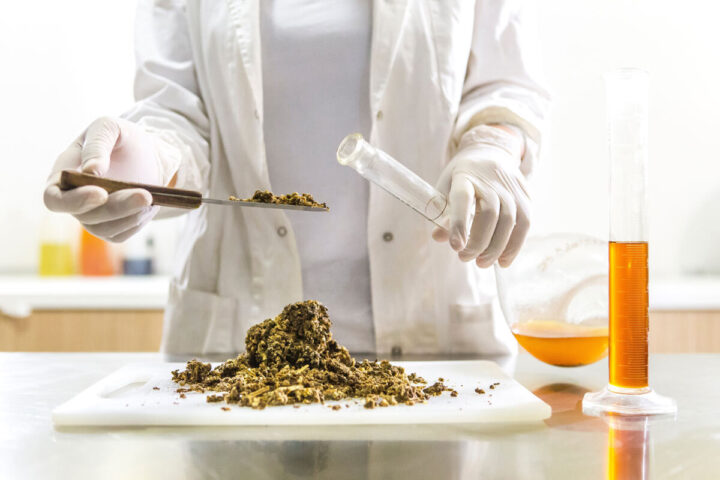
Die wichtigsten Fakten
Der Begriff «Pestizid» stammt ursprünglich von «Pest» ab, dem englischen Wort für Schädling. Ein Pestizid ist ein Schädlingsbekämpfungsmittel. Im folgenden Artikel finden Sie die wichtigsten Fakten zum Thema.
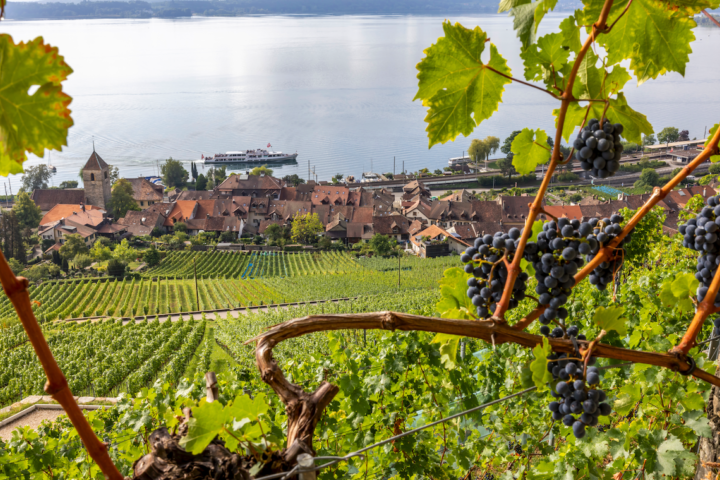
«Die Berner Winzer spritzen und spritzen»
Der viele Regen diesen Sommer hat den Berner Winzern zugesetzt und einmal mehr klargemacht, dass es ohne Pflanzenschutz nicht geht – schon gar nicht in schwierigen Anbaujahren. Dass auch pilzwiderstandsfähige Sorten von Ernteverlusten betroffen sind, zeigt, wie prekär die Lage ist. Nichtsdestotrotz zaudert der Bund, wenn es um die Zulassung moderner Pflanzenschutzmittel und neuer Züchtungstechnologien geht.
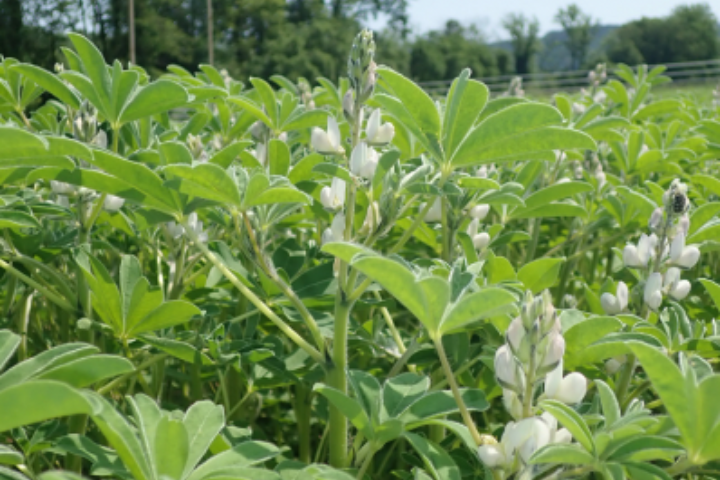
Superfood mit Ecken und Kanten
Die Süsslupine ist Biovisions «Superfood des Jahres 2026». Sie liefert viel Protein, verbessert Böden und fördert die Biodiversität. Doch der Blick auf die Praxis zeigt: Ohne Züchtung, Pflanzenschutz und Innovation bleibt auch dieses Superfood eine Herausforderung.
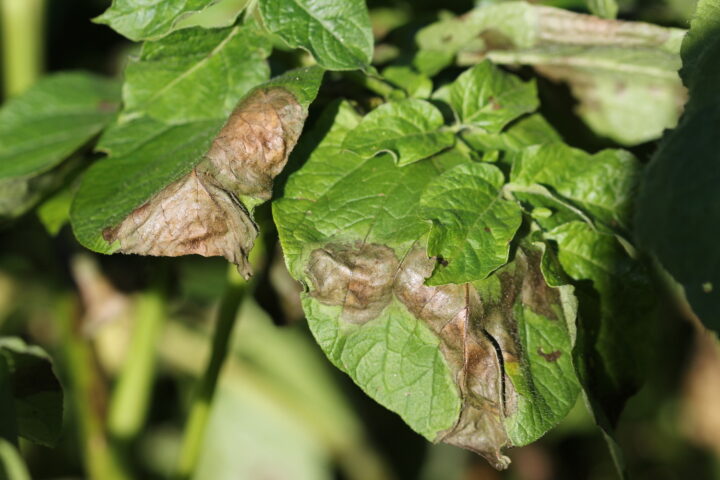
Wenn nicht mal mehr Kupfer hilft
Der nasskalte Sommer 2021 verursacht im Kartoffelanbau Ertragseinbussen von bis zu 80 Prozent. Besonders betroffen ist die Biolandwirtschaft.
Spülschwämme und Pestizide
Bio statt Pestizide, Handspülen statt Spülmaschine, möglichst wenig «Chemie»: Tante Monika lebt konsequent umweltbewusst. Doch ausgerechnet ihr geliebter Küchenschwamm beherbergt Milliarden von Bakterien – darunter gefährliche Krankheitserreger. Ein Meinungsbeitrag des promovierten Biochemikers und Wissenschaftsjournalist Ludger Wess.

Massnahmen für einen sinnvollen Umgang mit Pflanzenschutzmitteln
Der Bundesrat hat 2017 den Aktionsplan Pflanzenschutz verabschiedet. Gut 50 Massnahmen sollen einen nachhaltigen Einsatz von Pflanzenschutzmitteln fördern und die Risiken bis 2030 halbieren.
«Natürlich ist gesund, Chemie ist Gift»
Alles, was in der Natur vorkommt, ist gesund und synthetisch hergestellte Stoffe, also «chemische» Substanzen, sind giftig. Dieser Mythos ist schnell zu entkräften: In der Natur kommen viele hochgiftige Stoffe vor und gleichzeitig gibt es viele synthetisch hergestellte Substanzen, welche ungefährlich sind.
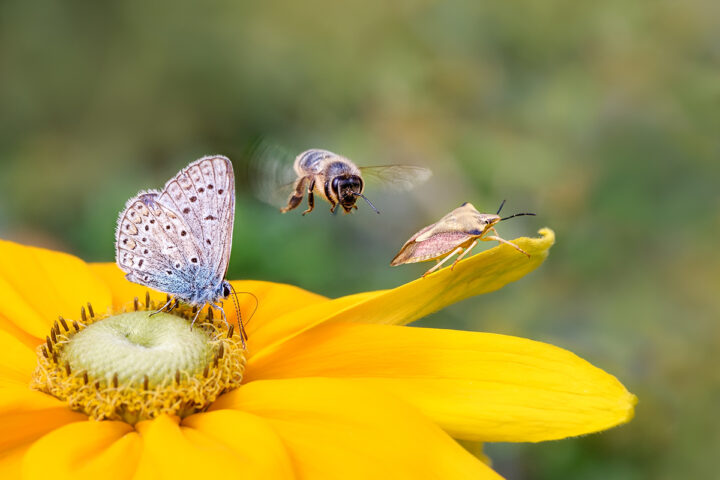
«Pestizide sind schuld am Insektensterben.»
Immer wieder werden Pestizide für den Rückgang bei den Insekten verantwortlich gemacht. Das greift zu kurz. Die Realität ist viel komplexer. So hat die Zersiedelung einen deutlich stärkeren Einfluss auf Insektenpopulationen.
«Pestizide schaden dem Klima.»
Pestizide sind schlecht fürs Klima? Nein, gerade das Gegenteil ist der Fall. Denn Pflanzenschutzmittel helfen, auf weniger Nutzfläche mehr Lebensmittel herzustellen und schonen so die Ressource Boden.
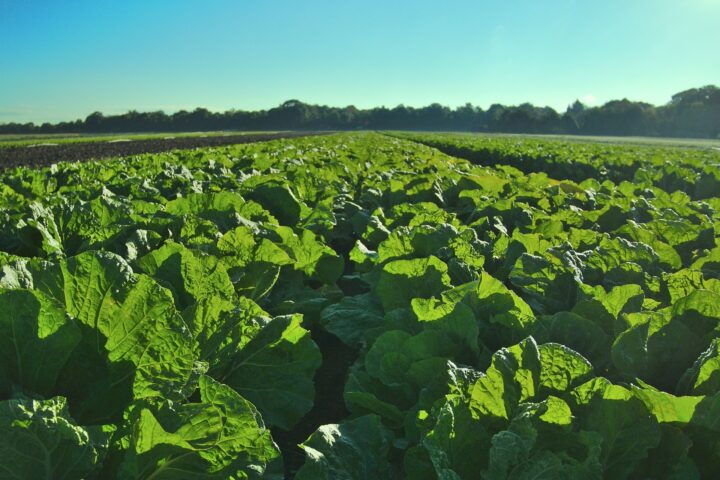
Dramatische Ertragseinbrüche ohne Pflanzenschutz
Die Versorgungsicherheit mit Nahrungsmitteln ist eine der grössten globalen Herausforderungen des 21. Jahrhunderts.
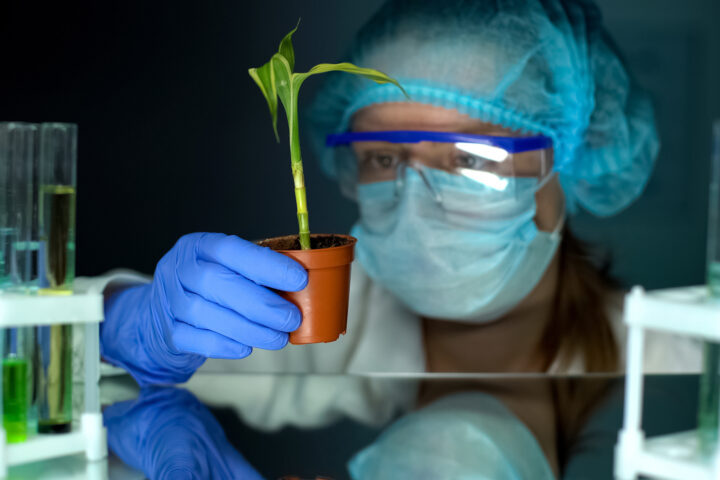
Synthetische Pestizide
Alle Pestizide, die durch eine Synthese hergestellt werden, sind auch synthetisch. Wirkstoffe die synthetisch hergestellt werden, können aber in der Wirkung naturidentisch sein.
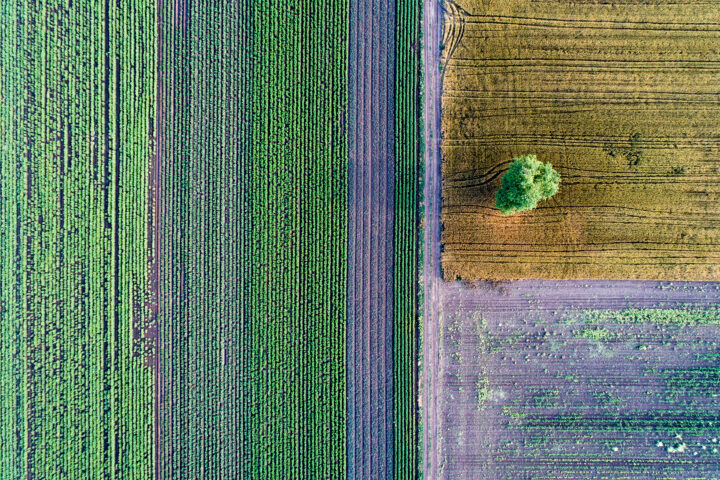
Pflanzenschutz - zum Schutz der Pflanzen
Pflanzen aller Arten können krank werden. Wie Arzneimittel beim Menschen werden Pflanzenschutzmittel verwendet, um die Gesundheit von Kulturpflanzen zu erhalten und ihrer Vernichtung durch Schädlingsbefall (Insekten, Pilze, Unkraut) vorzubeugen.
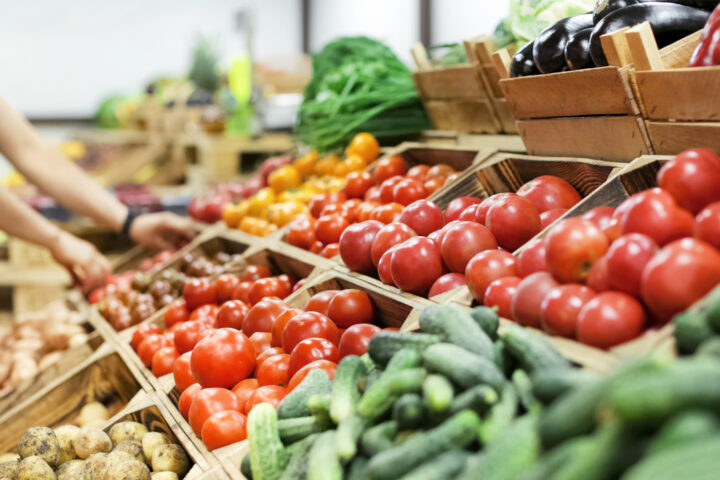
Zentrale Antworten im Überblick
Pflanzenschutzmittel und Biozide haben sich bewährt. Sie ermöglichen nicht nur eine regionale Produktion von Lebensmitteln, sondern begrenzen auch «Food Loss» und «Food Waste». Hier zehn Fragen und Antworten zu Pestiziden und Pflanzenschutzmitteln.
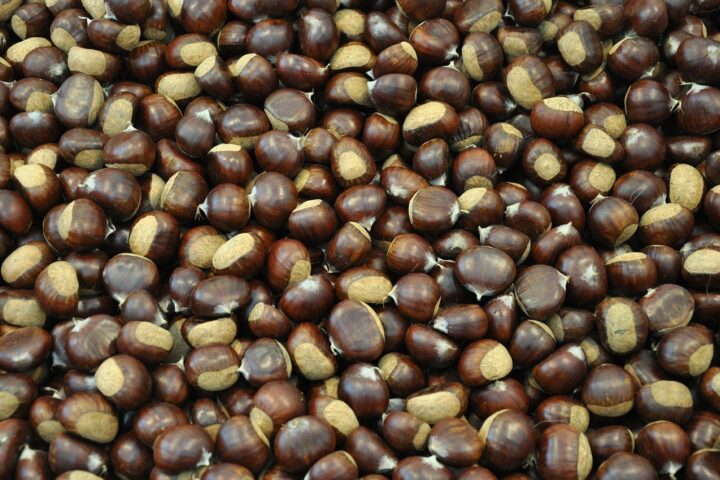
Invasive Arten gefährden einheimische Pflanzen
Die wirtschaftliche Verflechtung der Welt hat über die vergangenen Jahre und Jahrzehnte stark zugenommen. Durch die rege Handelstätigkeit zwischen den Kontinenten verbreiten sich auch invasive Pflanzen- und Tierarten immer schneller. Für die einheimische Vegetation und Landwirtschaft kann dies zu ernsthaften Problemen führen. Der Kanton Tessin ist gemäss BAFU besonders stark betroffen.
Synthetisch bietet viele Vorteile
Häufig werden synthetische im Vergleich zu natürlich vorkommenden Pflanzenschutzmitteln automatisch als problematisch angesehen. Das ist aber ein Trugschluss. Der Herstellungsprozess alleine lässt keine Aussagen über die Giftigkeit zu.
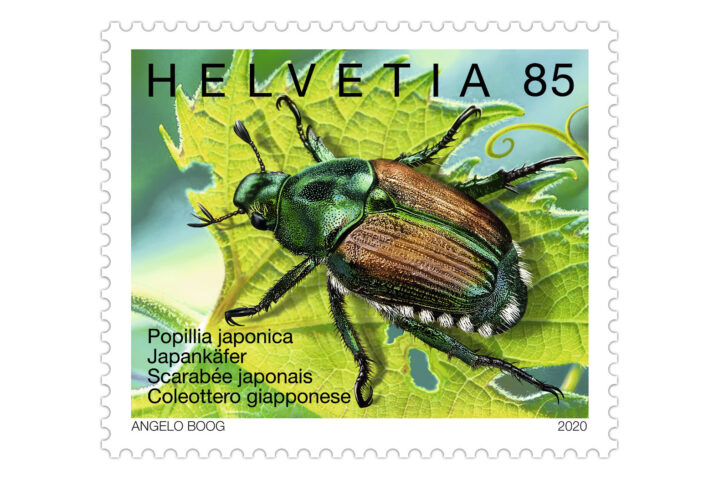
Reisefreudiger Japankäfer bedroht einheimische Pflanzen
Der Japankäfer wurde in der Schweiz zum ersten Mal im Jahr 2017 im Tessin entdeckt. Nun hat er es auf die Alpennordseite geschafft. Nach Funden in Basel-Stadt und Solothurn ist in Kloten erstmals eine grössere Population der Käfer gefunden worden. Sie werden mit Fallen, aber auch Pflanzenschutzmitteln bekämpft.
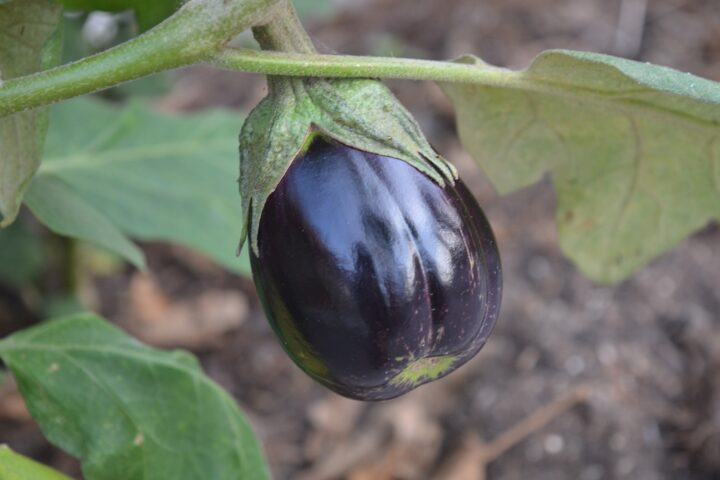
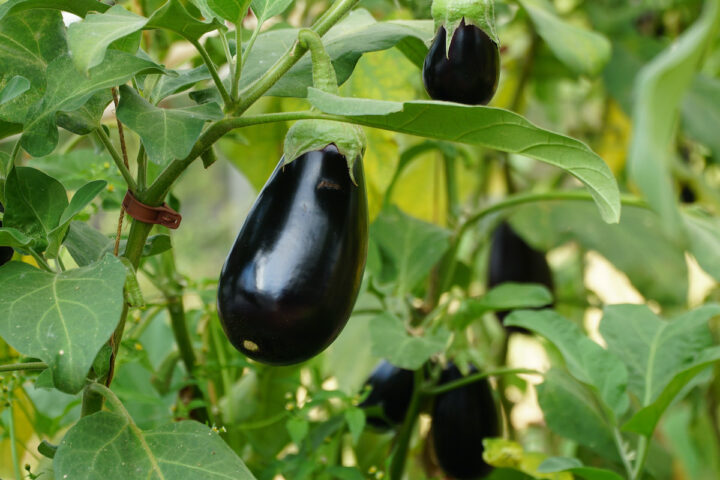
Gesunde Auberginen dank Bacillus thuringiensis
Schadinsekten im Kerngehäuse stellen in vielen Regionen eine Bedrohung für die Ernährungssicherheit dar. Die äusserliche Behandlung mit Insektiziden eignet sich in diesem Fall nicht.

Um Insekten steht es besser als vermutet
Die Abnahme der Insekten ist kleiner als vermutet. Eine länderübergreifende Meta-Studie zeigt, dass weder bezüglich der Ergebnisse noch der Ursachen vereinfachende Schlussfolgerungen zu ziehen sind.
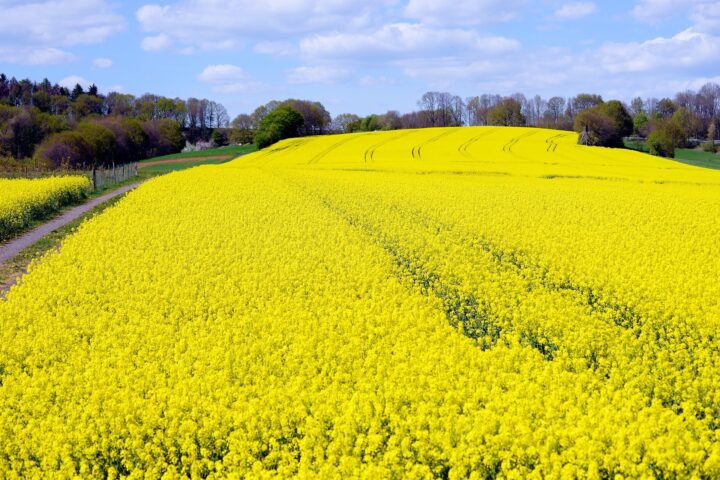
Tierfutter: Heimischer Raps statt importierte Soja
Die eiweissreichen Pressrückstände von Raps würden sich mithilfe von «Genome Editing» ideal als Futtermittel für Nutztiere eignen. Anstelle von importierter Soja könnte einheimischer Raps an die Tiere verfüttert werden.
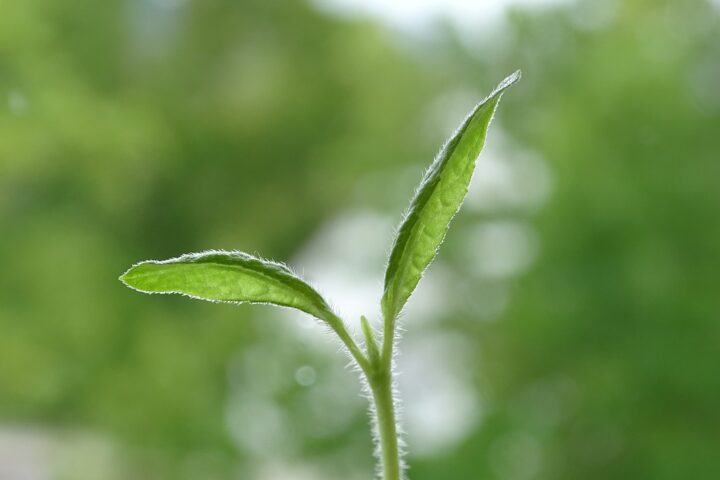
Pflanzenzüchtung für eine ressourceneffiziente Landwirtschaft
Um ausreichend Nahrungsmittel möglichst umweltschonend herstellen zu können, braucht es immer robustere Pflanzensorten. Die Pflanzenzüchtung ist deshalb ein entscheidender Forschungsbereich für eine ressourceneffiziente und nachhaltige Landwirtschaft.
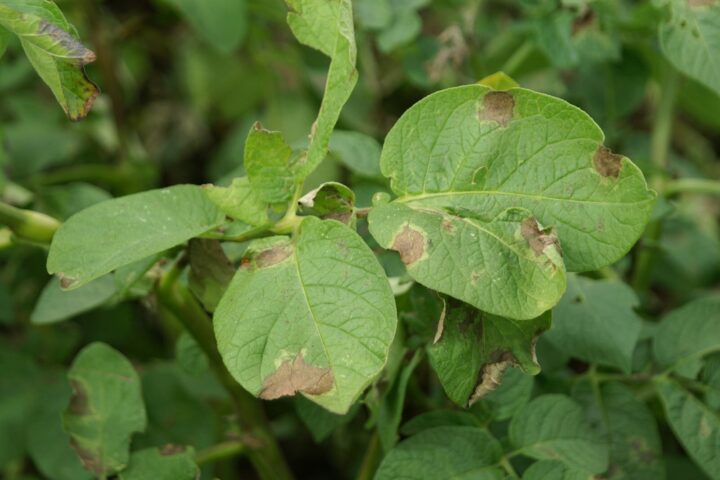
Kraut- und Knollenfäule: Resistenzen aus Wildkartoffeln nutzen
Die Kraut- und Knollenfäule zählt zu den gefährlichsten Kartoffelkrankheiten. Mit Biotechmethoden lassen sich Kartoffeln mit einem Resistenzgen gegen die Krautfäule ausstatten.
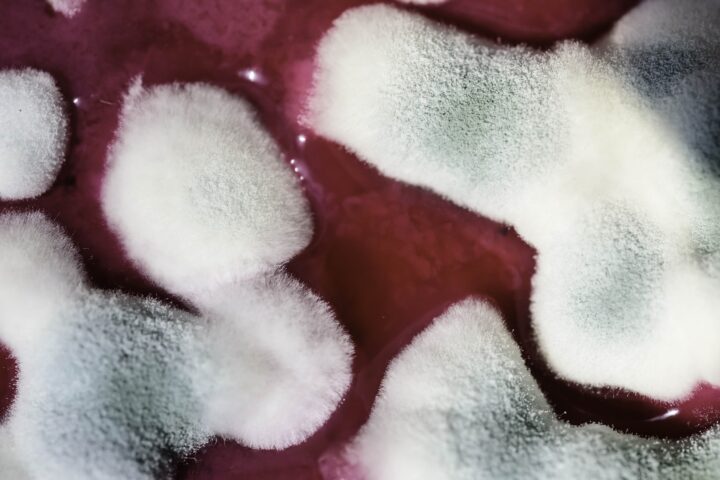
Schleichende Bedrohung der Lebensmittelsicherheit
Die Lebensmittelsicherheit ist in Gefahr. Besonders gefährlich sind Mykotoxine. Das sind Pilzgifte, welche zum Beispiel Getreide oder Nüsse befallen.

Invasive Schädlinge reisen mit
Invasive Schädlinge und Pflanzenkrankheiten gehören zu den grössten Herausforderungen für Biodiversität und Landwirtschaft. Sie gelangen oft über den Reiseverkehr sowie Warenimporte in die Schweiz und richten grosse Schäden bei Kultur- und Wildpflanzen an. Seit 2020 ist die Einfuhr von Pflanzen aus nicht EU-Ländern verboten. Eingeschleppte Schädlinge sind jedoch ein weltweites Problem.
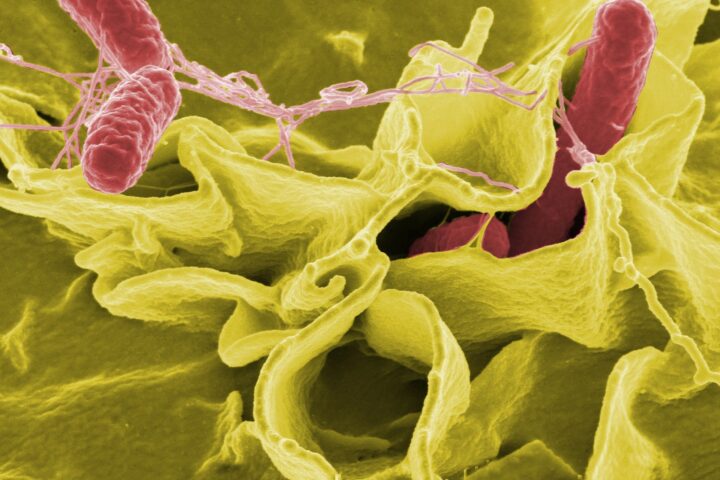
Ohne Pestizide keine Lebensmittelsicherheit
Problematisch für die Lebensmittelsicherheit ist nicht der angemessene Einsatz von Pestiziden, sondern ihre Nichtanwendung. Zudem kann ein ungenügender Einsatz von Bioziden (Desinfektionsmittel oder Schädlingsbekämpfungsmittel) die Übertragung von Krankheitserregern - beispielsweise in Restaurants - begünstigen. Das geht aus einem Bericht des Bundesamts für Lebensmittelsicherheit und Veterinärwesen (BLV) hervor.
Sichere Anwendung hochwirksamer Pestizide
Werden sogenannte Highly Hazardous Pesticides (HHP) korrekt gehandhabt und angewendet, sind sie sicher. In manchen Ländern sind sie gar die einzige Lösung, um Menschenleben zu retten.
Globale Fakten zu Welternährung und Landwirtschaft
Nur dank technologischem Fortschritt und modernem Pflanzenschutz werden wir in Zukunft unsere Ressourcen schonen und gleichzeitig immer mehr Menschen gesund und erschwinglich ernähren können.
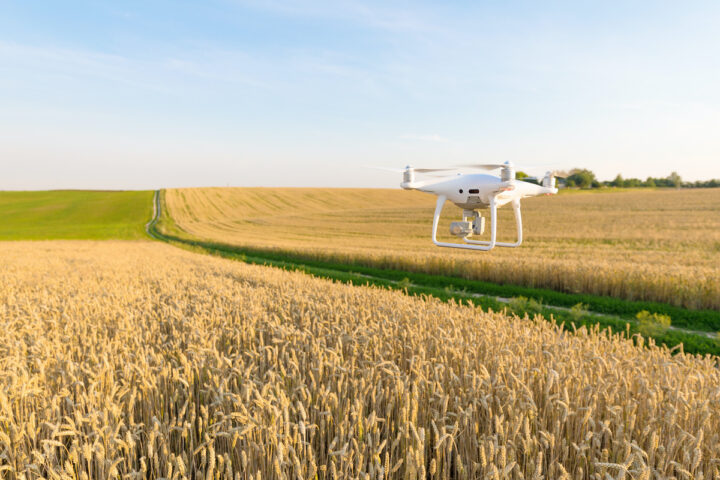
Die nächste landwirtschaftliche Revolution
Der Schlüssel zu den dringend nötigen Ertragssteigerungen in der Landwirtschaft liegt bei neuen Technologien. In der Digitalisierung der landwirtschaftlichen Produktion steckt das Potenzial für eine neue Agrarrevolution.

Fakten zu Trinkwasser und Grenzwerten
'Reines' Wasser ist entweder ein geschmackloses Destillat oder ein Verkaufsargument. Als Naturprodukte sind weder Leitungs- noch Markenwasser 'rein'. Beide sind aber bedenkenlos trinkbar.

Risiken durch Pflanzenschutz sinken in der konventionellen Landwirtschaft
Die neueste Verkaufsstatistik des Bundes zu den Pflanzenschutzmitteln offenbart: Es werden immer weniger Pflanzenschutzmittel mit besonderem Risikopotential verkauft und in der Landwirtschaft eingesetzt.

Pestizide für öffentliche Gesundheit fundamental
Im vergangenen Jahrhundert ist die Lebenserwartung der Menschen um 30 Jahre gestiegen. Dies hat auch mit dem Einsatz von Pestiziden zu tun. Sie schützen uns in vielfältiger Weise vor Krankheiten.
«Jährlich über 200'000 Tote wegen Pestizid-Vergiftungen»
Bei genauer Betrachtung lässt sich feststellen: Die Zahl stammt aus einer 35 Jahre alten Studie. In einem Gedankenexperiment wurden damals Suizide durch Schädlingsbekämpfungsmittel in Sri Lanka weltweit hochgerechnet.
Vom Molekül zum Pflanzenschutzmittel
Weltweit werden jährlich im Schnitt noch fünf Pflanzenschutzmittel für den Markt zugelassen. Neuentwicklungen sind anspruchsvoll, zeitaufwendig und teuer. Von der Suche nach einer geeigneten Substanz bis zur Zulassung des marktfertigen Produkts vergehen heutzutage über zwölf Jahre. Die Kosten belaufen sich auf über 300 Millionen US-Dollar. Jedes neue Pflanzenschutzmittel muss strenge Anforderungen erfüllen. Die Zulassungsverfahren für Pflanzenschutzmittel sind vergleichbar mit denen für neue Medikamente.
Der kleine, aber feine Unterschied auf dem Teller und in der Tasse
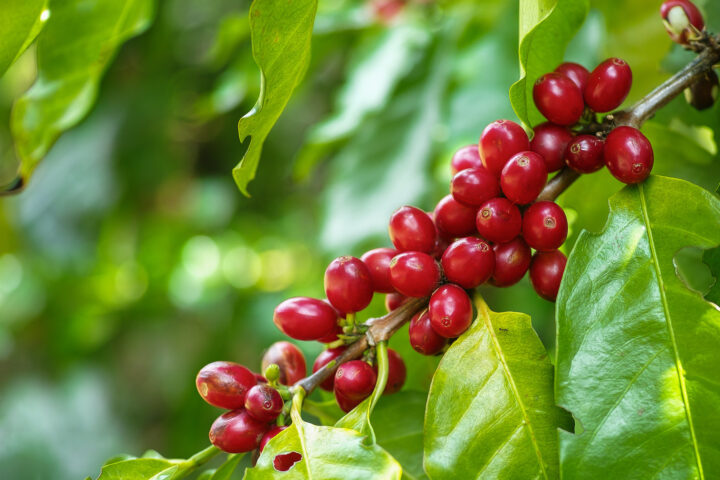
Besserer Kaffee, verträglichere und länger haltbare Grundnahrungsmittel – die modernen Ansätze der Biotechnologie werden unseren Konsum nachhaltig beeinflussen. Zum Wohl vieler Menschen und der Umwelt.
Es geht nicht ohne gesunde, qualitativ hochstehende Lebensmittel aus der Schweiz
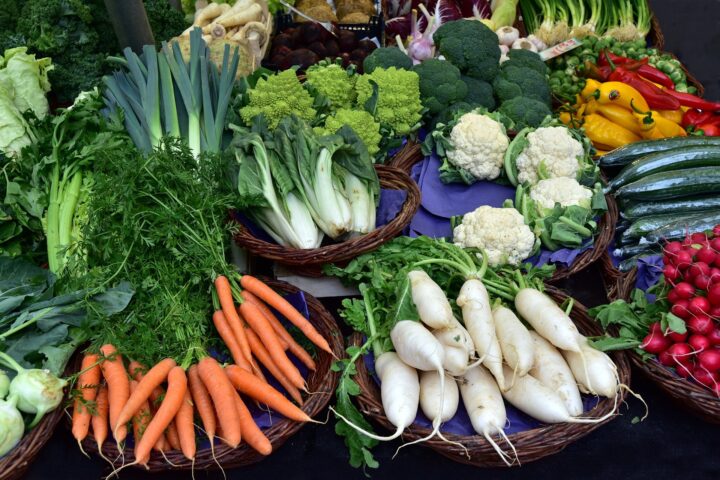
Am Swiss-Food Talk gaben drei anerkannte Fachfrauen Antworten auf aktuelle Fragen im Zusammenhang mit einer gesunden, nachhaltigen Ernährung. Und richteten einen Appell an den gesunden Menschenverstand.
«Über Wissenschaft kann man nicht abstimmen»
Woher kommt diese Angst vor neuen Technologien? Darüber spricht Ludger Wess, Wissenschaftsjournalist und Molekularbiologe, im Swiss-Food-Podcast.
«Synthetisch gleich giftig? Falsch!»
Bei der Beurteilung von Risiken kann uns unser Bauchgefühl trügen. Wieso das so ist, erklärt Angela Bearth, Verhaltenspsychologin an der ETH Zürich, im swiss-food-Podcast.

Wahrgenommene Natürlichkeit entscheidet über Akzeptanz
Die Akzeptanz von synthetischen Pflanzenschutzmitteln und gentechnischen Züchtungsmethoden ist unterentwickelt. Eine Studie der ETH Zürich hat das Phänomen untersucht.
«Gentechnik gefährdet die Gesundheit»
Häufig hört man, gentechnisch veränderte Lebensmittel seien nicht sicher und könnten die Gesundheit von Menschen und Tieren negativ beeinflussen. Diese Behauptungen lassen sich jedoch nicht mit Fakten belegen.

Exportiert die Industrie verbotene Pestizide?
NGO und Medien berichten immer wieder über Schweizer Hersteller von Pflanzenschutzmitteln, die Pestizide exportieren, die in der Schweiz verboten sind. Schwache Vorschriften in den Importländern würden bewusst ausgenutzt. Dies entspricht jedoch nicht den Tatsachen.
«Pestizide werden immer giftiger»
Genau das Gegenteil ist der Fall. Pflanzenschutzmittel sind über die vergangenen Jahrzehnte immer sicherer geworden. Neue Wirkstoffe müssen ein äusserst strenges Zulassungsverfahren durchlaufen.
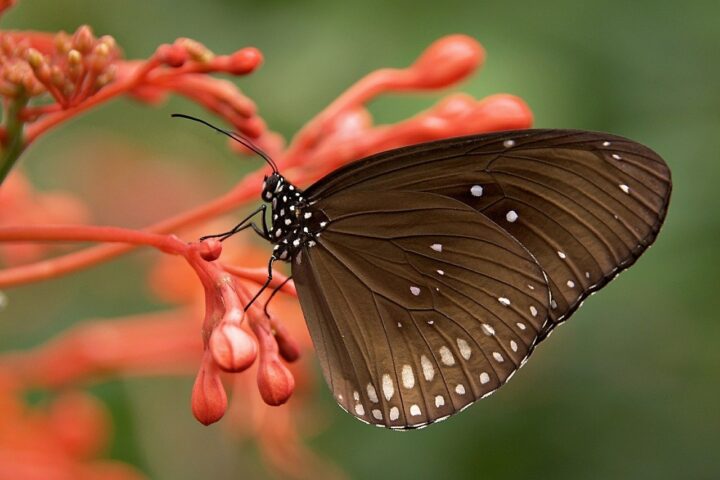
Hoffnung für den Artenschutz
Forscher wollen das Erbgut aller in Europa bekannten Arten entschlüsseln. Die Entschlüsselung und Archivierung von Genomsequenzen könnten dabei helfen, bedrohte Tier- und Pflanzenarten frühzeitig zu erkennen und entsprechende Gegenmassnahmen einzuleiten.
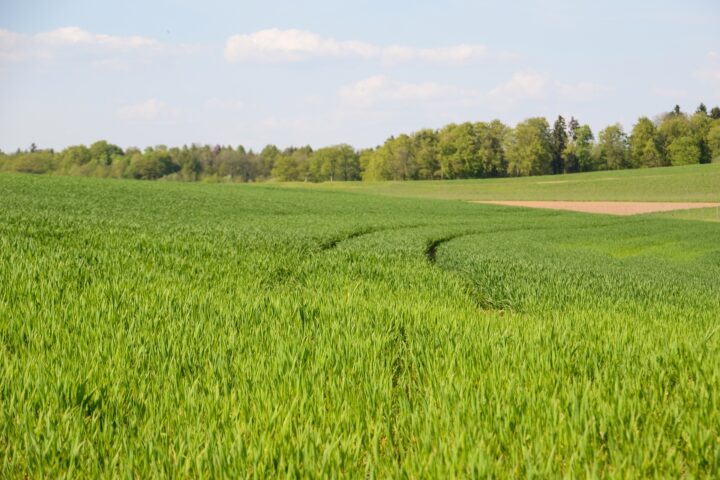
Herausforderungen und Chancen einer nachhaltigen Landwirtschaft
Die Landwirtschaft von morgen muss effizienter produzieren. Und dabei gleichzeitig das Klima und die Biodiversität schützen. Am Swiss-Food Talk äusserten sich drei ausgewiesene, unabhängige Experten zu den Herausforderungen und Chancen einer nachhaltigen Landwirtschaft von morgen.

«Lebensmittel sind so sicher wie nie»
Noch nie in der Geschichte der Menschheit waren Lebensmittel so sicher wie heute. Dies erläutert Babette Sigg, Präsidentin des Schweizerischen Konsumentenforums kf, im Swiss-Food Podcast.
Biodiversité
La biodiversité se définit par la variété de la vie à trois niveaux : la «diversité des espèces», la «diversité des gènes» et la «diversité des habitats». Elle englobe donc tous les êtres vivants qui existent sur terre et est le résultat de millions d’années d’évolution. Ce n’est rien de moins que les fondements de notre existence.
Biologicals
Les biologicals agricoles sont un groupe de stratégies et de produits phytosanitaires variés, fabriqués à partir de matières vivantes ou naturelles telles que des microbes ou des extraits de plantes, ou qui recourent à des insectes utiles. Ils peuvent également être synthétisés en laboratoire, mais leur composition est similaire à celle de la nature.
Biotechnologie
La biotechnologie est un terme générique qui désigne un large éventail de processus, de produits et de méthodes. Selon la définition de l’Organisation de coopération et de développement économiques (OCDE), la biotechnologie est l’application de la science et de la technologie aux organismes vivants, à des parties de ceux-ci, à leurs produits ou à certains de leurs modèles.
Biocides
Les biocides sont des substances actives qui tuent les organismes vivants indésirables, tels que les parasites et les agents pathogènes, ou limitent fortement leurs fonctions vitales. Ils font partie des pesticides et sont utilisés pour combattre les organismes nuisibles tels que les insectes, les champignons, les bactéries, les rongeurs ou les algues.
Pesticides bio
L’agriculture biologique repose également sur l’utilisation de pesticides (produits phytosanitaires et biocides). Plus de 40 % des pesticides vendus en Suisse sont autorisés pour l’agriculture biologique. Parmi les dix produits phytosanitaires les plus vendus en Suisse figurent quatre pesticides biologiques. De nombreux produits phytosanitaires utilisés par les agriculteurs biologiques ne sont pas directement d’origine naturelle. Par exemple, tous les sels de cuivre utilisés dans l’agriculture biologique sont produits de manière synthétique.
Agriculture biodynamique
Selon sa propre définition, l’agriculture biodynamique est une méthode d’agriculture biologique et holistique, qui n’utilise pas d’engrais artificiels ni de pesticides chimiques de synthèse. Cette méthode en constante évolution trouve ses origines dans le «Cours aux agriculteurs» de Rudolf Steiner dispensé à Koberwitz en 1924. Au fond, il s’agit de comprendre la «vie» dans sa diversité et de la promouvoir de manière holistique.
Agriculture biologique
Selon sa propre définition, l'agriculture biologique est une forme d'agriculture particulièrement proche de la nature, qui a été développée il y a environ 100 ans. Depuis 20 ans, ce mode de culture est également défini en Suisse par des lois et l'ordonnance sur l'agriculture biologique.
Stress abiotique / biotique
De nombreux facteurs de stress peuvent exercer une influence négative sur la croissance et la santé des plantes. Citons par exemple les insectes, les maladies fongiques, les mauvaises herbes, les bactéries ou les virus. Il s’agit de facteurs dits «biotiques».
Pesticides, biocides, produits phytosanitaires
Le terme de «pesticide» vient du mot anglais anglais «pest», qui signifie parasite. Un pesticide est un produit employé contre les parasites.
«Biologicals»: les agents biologiques issus de la recherche
Les produits phytosanitaires modernes doivent être sûrs, ciblés et à courte durée de vie. Ils doivent donc se dégrader peu après avoir atteint leur objectif sans laisser de produits de dégradation biologiquement actifs.
Plus de bio ne signifie pas plus de biodiversité
Selon une opinion largement répandue, promouvoir l’agriculture bio aurait un impact positif sur la diversité des espèces. Mais c’est faux. Certes, il y a plus d’espèces sur les surfaces bio.
Comment protéger efficacement la biodiversité ?
La biodiversité est une importante base de la vie. Le sujet est très actuel : l'obligation de délimiter des surfaces de promotion de la biodiversité dans l'agriculture suisse n'a manifestement pas atteint les objectifs visés. Selon des publications récentes, la biodiversité reste sous pression. C'est l'occasion pour swiss-food de mettre l’accent sur la thématique « biodiversité et agriculture » et d'en éclairer les tenants et les aboutissants lors de son habituelle discussion entre experts.
Documentaire d’ARTE: Génie génétique dans l’agriculture biologique ?
Une documentaire d’ARTE examine des questions de l’agriculture moderne : l’exclusion générale des nouvelles technologies de sélection est-elle encore d’actualité ? La résistance de l’agriculture biologique peut-elle être justifiée scientifiquement ?
«Le bio se passe de pesticides.»
Beaucoup croient que les agriculteurs bio travaillent sans pesticides. C’est faux. Environ 60% des dix produits phytosanitaires les plus vendus de Suisse sont aussi autorisés en bio. Sans les produits phytosanitaires modernes de synthèse, l’agriculture bio ne pourrait exister dans sa forme actuelle.
Des biocides contre le paludisme
Malaria ist die häufigste Infektionskrankheit der Welt und endet in vielen Fällen tödlich. Mit einem Insektenschutzmittel (Biozid) aus der Pflanzenschutzforschung konnten die Ansteckungen deutlich reduziert werden.
Saisir l'opportunité de la biotechnologie verte
La suisse doit retourner à la pointe de la biotechnologie et contribuer à relever les défis mondiaux. Cela nécessite plus de courage et d'ouverture aux nouvelles technologies.
«Bio dans notre pays, interdit aux Philippines»
Aux Philippines, Greenpeace a obtenu l'interdiction des aubergines Bt et du Golden Rice. Incroyable : la même bactérie que l'organisation environnementale diffame là-bas comme étant dangereuse est vantée comme étant bio en Suisse.
Pourquoi les chats domestiques menacent la biodiversité
En Écosse, on discute actuellement d'une interdiction de détenir des chats domestiques. La raison : poussés par leur instinct de chasseur, ils sont capables d'exterminer des espèces entières. En Suisse aussi, on s'intéresse à la problématique des chats.
Le bio est-il plus durable ?
Les aliments biologiques sont considérés wie des modèles de durabilité – pourtant, dans la réalité, ils finissent souvent plus rapidement à la poubelle que les produits conventionnels. Renoncer aux conservateurs artificiels et à la protection moderne des cultures réduit considérablement leur durée de conservation et entraîne un gaspillage alimentaire accru.
Enthousiasme des étudiants pour la biotechnologie
La biotechnologie suscite l’enthousiasme. Sous l’effet de la pandémie de Covid-19, elle bénéficie d’un intérêt grandissant auprès du grand public.
L’apiculture urbaine met en danger la biodiversité
L’apiculture est en plein essor dans les villes suisses. Les citadins souhaitent ainsi contribuer à la préservation de l’abeille domestique. Pourtant, une étude de l’institut de recherche WSL montre que l’apiculture de loisir n’est pas durable. Elle menace la biodiversité dans les villes, les abeilles domestiques remplaçant de plus en plus les insectes sauvages.
Des aliments durables produits en bioréacteur
Nourrir plus d’êtres humains et gaspiller moins de matières premières. Tilo Hühn en est convaincu: nous pouvons atteindre ce but grâce à des «cultures durables exploitées en laboratoire». En collaboration avec une équipe de quatre-vingt personnes, cet ingénieur en sciences alimentaires développe des aliments durables à la Haute école zurichoise de sciences appliquées (ZHAW).
Une agriculture productive pour le climat et la biodiversité
Beaucoup croient que le bio est bon pour le climat et qu’il favorise la biodiversité. Cette croyance s’avère de plus en plus fausse. L’agriculture bio a besoin de plus de terres, qui ne sont dès lors plus disponibles pour piéger les gaz à effet de serre.
"Le bio n'est pas automatiquement plus sain"
Peut-on trouver des pesticides dans l'urine lorsqu'on ne consomme plus que des produits bio ? C'est la question que s'est posée une journaliste de CH-Media. Elle a voulu faire un test sur elle-même pour savoir si les aliments bio étaient plus sains. Les résultats, tout comme les témoignages d'experts, vont à l'encontre de cette hypothèse.
La biotechnologie n'en est qu'à ses débuts
Lorsque Frank Schirrmacher a vidé les pages de la rubrique culturelle du Frankfurter Allgemeine Zeitung le 27 juin 2000 pour publier le génome humain, qui venait d'être décrypté pour la première fois, lettre par lettre sur six pages, la biotechnologie a attiré pour la première fois l'attention du grand public.
Sans les biocides, le bien-être des animaux et la sécurité alimentaire souffrent
Selon la directive européenne 2009/128/EG et selon la FAO/OMS, les pesticides sont des produits de protection des plantes et des biocides. Les biocides sont utilisés comme agents de nettoyage, désinfectants et pesticides dans l'agriculture, l'industrie alimentaire et les soins de santé.
«Le bio est-il vraiment plus sain?»
Les bienfaits d’un aliment sur la santé humaine dépendent premièrement de la composition de celui-ci. Les fruits et légumes sont particulièrement riches en micronutriments et en substances végétales secondaires. Du fait de leurs effets bénéfiques pour la santé, ils devraient avoir leur place dans une alimentation équilibrée.
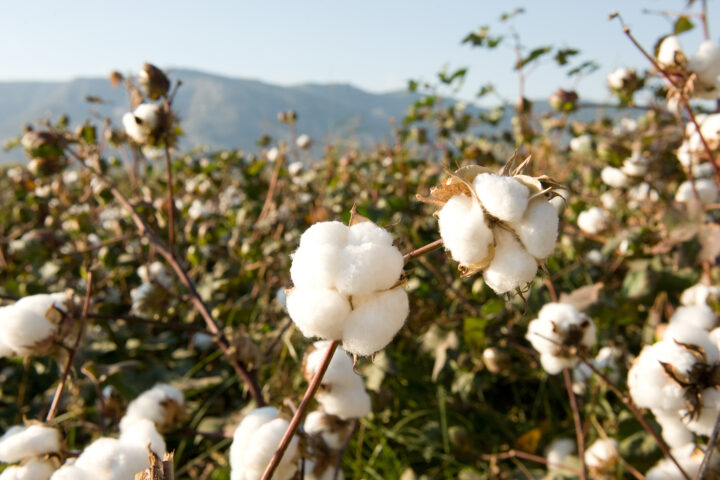
L’Australie reconnaît l’utilité de la biotechnologie verte
L’État australien de Nouvelles-Galles du Sud lève son moratoire sur les cultures OGM. Le génie génétique vert est déclaré sûr pour l’être humain et l’environnement.
Bio Suisse rejette les méthodes de sélection modernes
Lors de leur réunion d'avril 2023, les délégués de Bio Suisse ont rejeté l'utilisation de nouvelles méthodes de sélection dans l'agriculture biologique. Ainsi, l'association biologique se ferme la possibilité de devenir plus productive et durable grâce à des sélection précises et modernes, telles que l'introduction de tolérances aux maladies avec l'outil d'édition génétique CRISPR/Cas. Comme l'écrit le "Tages-Anzeiger", la décision des délégués a été claire et il n'y a pas eu de véritable débat de fond sur le sujet.
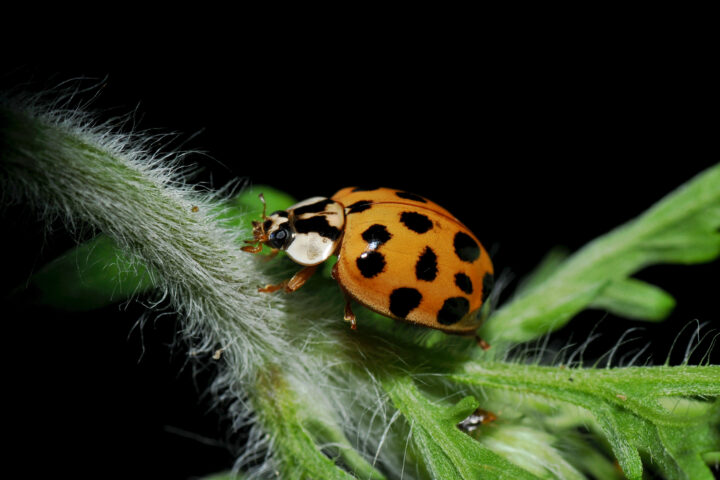
Espèces invasives : une menace majeure pour la biodiversité
Le rôle des espèces exotiques envahissantes dans l'extinction des espèces a été minutieusement étudié par le Conseil mondial des Nations unies pour la diversité biologique.
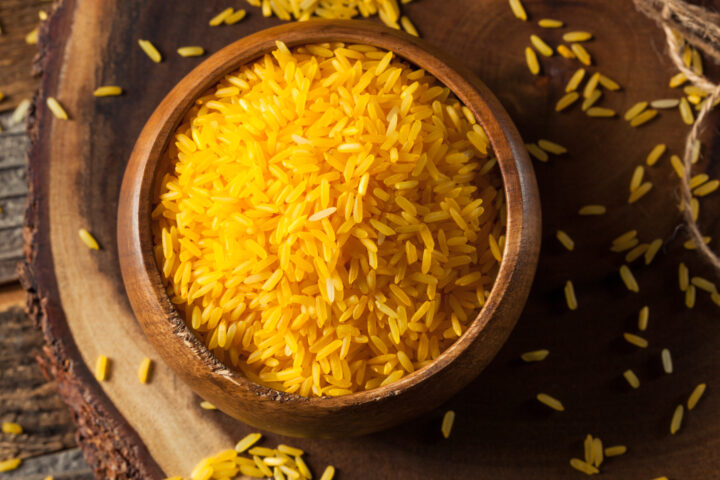
Le blocage des biotechnologies : un coût humain majeur
Selon l'Organisation mondiale de la santé (OMS), près de 500 000 enfants dans le monde deviennent aveugles chaque année à cause d'un déficit en vitamine A.
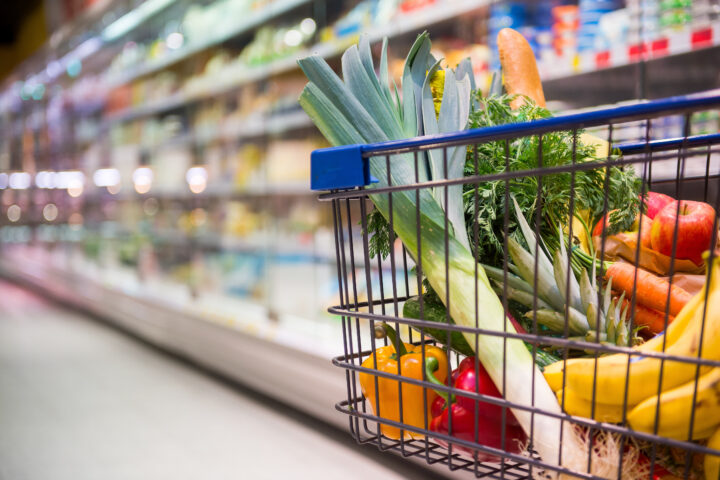
La Renaissance du Prix : Du Bio au Bon Marché
Ces dernières années, l'accent était mis sur les produits bio et haut de gamme dans les magasins. Pour les consommateurs, le critère écologique était primordial au moment de l'achat. Mais avec l'arrivée de l'inflation, la donne change : le prix reprend de l'importance, comme en témoignent les ventes croissantes des marques économiques.
Biotechnologie : Un nouvel espoir pour les petits agriculteurs africains
Les maladies telles que le mildiou ne menacent pas uniquement les cultures de pommes de terre des agriculteurs en Europe. En Afrique, cette maladie fongique récurrente engendre également d'importantes pertes de récoltes.
Un agriculteur bio demande édition du génome pour la culture fruitière
Le nombre élevé de traitements phytosanitaires sollicite fortement les agriculteurs bio. L'un d'entre eux est le producteur de pommes Marco Messerli de Kirchdorf BE. Il a dû traiter 48 fois des variétés de pommes sensibles avec des produits phytosanitaires biologiques. Estimant que c’est trop, il demande désormais l'autorisation de nouvelles méthodes de culture. Les experts donnent raison à l'agriculteur.
Old Stories Die Hard – quand le (bio-)marketing brouille la vue sur la réalité
Un documentaire de l’ORF met en lumière ce que beaucoup d’adeptes du bio ne veulent pas entendre : la mutagénèse est une forme de génie génétique – et se retrouve depuis des décennies dans d’innombrables variétés. Pourtant, des détaillants bio comme REWE et dm exigent des obligations d’étiquetage pour les nouvelles méthodes d’amélioration variétale. Sur le plan scientifique, cela n’a aucun sens.
«Avec le bio, on peut nourrir la population mondiale»
Pour obtenir la même quantité d’aliments, le bio a besoin d’environ 40% de plus de terres que l’agriculture conventionnelle. Si la population mondiale se convertissait au tout bio, il faudrait jusqu’à 80% de terres supplémentaires. D’immenses surfaces forestières seraient sacrifiées au profit des terres arables.
Même les pâtes des magasins spécialisés bio ne peuvent pas se passer du génie génétique
L'UE débat actuellement de la réglementation des nouvelles méthodes de sélection végétale. En Allemagne aussi, la discussion est en cours. Le magazine scientifique Terra X a saisi l'occasion de cette discussion pour se pencher plus en détail sur le sujet.
« Un tiers de bio ne résout pas le problème »
Le ministre allemand de l’Agriculture, Cem Özdemir, a proclamé à plusieurs reprises et plus récemment, dans un communiqué de presse publié cette semaine, que l’agriculture bio devait être le modèle à suivre. Mais M. Özdemir devrait pousser la réflexion un peu plus loin.
Le bio: un luxe au détriment des pays en développement
Dans un documentaire, la chaîne de télévision ZDF s’intéresse à l’agriculture biologique. Les produits bio sont-ils réellement plus durables et meilleurs pour le climat que des produits similaires issus de l’agriculture conventionnelle? Du point de vue de l’efficacité des ressources, la réponse est non.
Mesurer la biodiversité avec l’ADN présent dans l’air
La biodiversité est menacée de toutes parts. La disparition des insectes terrestres en est une preuve parmi d’autres. Des chercheurs prélèvent depuis peu l’ADN dans l’air pour recenser les espèces. On peut ainsi mieux mesurer la diversité biologique sur la terre.

La consommation de viande bio en recul
Les Suisses achètent toujours moins de viande labellisée. Simultanément, pour la première fois depuis longtemps, la consommation de viande est repartie à la hausse. C’est ce qui ressort d’une analyse du Schweizer Tierschutz (STS).
Le bio plus fréquemment touché par les rappels de produits
Les produits bio sont en moyenne plus souvent retirés des rayons des magasins. En cause: les substances toxiques qui contaminent les récoltes ou qui sont dues à des moisissures. Leur contrôle dans l’agriculture bio est plus difficile qu’en production agricole conventionnelle.
La biotechnologie est d’une grande utilité dans l’agriculture
Les plantes sélectionnées par des procédés de biotechnologie sont cultivées depuis environ 25 ans en de nombreux endroits du globe. La biotechnologie est d’une grande utilité dans l’agriculture. Plusieurs études attestent de ses effets positifs sur l’environnement, le climat et les rendements agricoles.
La biotechnologie comme outil pour la conservation de la nature
De nouvelles technologies génomiques peuvent aider à sauver des espèces menacées – du châtaignier à l’hippopotame blanc du Nord.
Biotechnologie verte: il est temps que les mentalités évoluent
Les nouvelles techniques de sélection végétale continuent de susciter la méfiance. Trente ans de recherche et une base de données solides n’y ont rien changé. Le génie génétique classique ou la nouvelle technique CRISPR/Cas ne comportent pas plus de risques que les méthodes traditionnelles, telle la sélection croisée. Il est plus que temps de considérer ces nouvelles techniques comme des instruments bienvenus pour lutter contre le changement climatique et la destruction de l’environnement.
Pourquoi une réglementation stricte des biotechnologies freine l’innovation
Les nouvelles méthodes de sélection sont considérées comme essentielles pour développer des plantes plus résistantes, stabiliser les rendements et réduire l’utilisation de produits phytosanitaires. Le professeur de l’ETH Bruno Studer met en garde : une sur-réglementation de ces technologies renforce précisément les grands groupes que l’on cherche à limiter, tout en excluant du marché les petits sélectionneurs.
«La biotechnologie et la protection de l’environnement vont main dans la main»
À l’Institut de biologie végétale et microbiologie de l’Université de Zurich (UZH), l’immunité des céréales est un thème de recherche qui nous occupe depuis de nombreuses années. Le but de nos travaux est de mieux comprendre les multiples interactions entre les plantes et les agents pathogènes afin d’aider les plantes à mieux se défendre contre les maladies et les ravageurs.
Biotechnologie verte : les craintes quant à la sécurité ne font plus recette
swiss-food.ch avait convié à une projection de film suivie d’une table ronde sur l’édition génomique à fin octobre à Zurich. Intitulé « Entre protestation et potentiel », l’événement, qui attira un nombreux public, revint sur les discussions passionnées des dernières décennies à propos du génie génétique. La manifestation fut l’occasion de mettre en évidence que la situation a profondément changé.
La menace du frelon asiatique continue de croître
Le frelon asiatique représente depuis plusieurs années déjà une menace pour l’abeille domestique indigène. La situation ne cesse de s’aggraver. Il est question de quatre fois plus de nids que l’année précédente. Ce nuisible menace la biodiversité. Le monde politique est également alarmé.
Les ciseaux génétiques révolutionnent également la protection biologique des végétaux
Les plantes cultivées à des fins agricoles doivent s'adapter à des exigences changeantes. La sélection moderne a donné naissance à des outils ingénieux tels que les ciseaux génétiques, qui complètent judicieusement les méthodes de sélection traditionnelles.
Inhalt auf Deutsch
Pourquoi l’agriculture biologique et durable s’est-elle autant éloignée des preuves scientifiques ?
L’agriculture durable reposait autrefois sur des solutions concrètes et des preuves scientifiques. Pourquoi s’est-elle éloignée de cette approche en rejetant les technologies modernes ?
« Les viticulteurs bernois pulvérisent et pulvérisent »
Les nombreuses pluies de cet été ont mis à mal les viticulteurs bernois et leur ont fait comprendre une fois de plus que rien n'est possible sans protection phytosanitaire – et surtout pas les années de culture difficiles. Le fait que même les variétés résistantes aux champignons soient touchées par des pertes de récolte montre à quel point la situation est précaire. Néanmoins, la Confédération tergiverse lorsqu'il s'agit d'autoriser des produits phytosanitaires modernes et de nouvelles technologies de sélection.
«L'élevage en soi n'est pas naturel.»
Prof. Dr. Detlef Weigel, Directeur du département de biologie moléculaire à l'Institut Max-Planck de biologie développementale
Mesures en faveur d’une utilisation raisonnable des produits phytosanitaires
Uccus eum as volum vel millenis conem voluptis sit dolum aut etur rest volor re et eossequo ium id maio. Ant que andeliquatem eumquiscia a illut atium experro sequaectus reped est quia quaeptatust.
« Naturel égale sain, chimique égale toxique. »
Tout ce que la nature produit est sain, toutes les substances de synthèse, ou « chimiques », sont toxiques. Il est facile de démonter ce mythe: de nombreuses substances naturelles sont extrêmement toxiques, tandis que de nombreuses substances chimiques de synthèse sont absolument sans danger.
«Les pesticides sont responsables de la mort des insectes.»
Les pesticides sont régulièrement rendus responsables de la disparition des insectes. Cette affirmation est réductrice. La réalité est bien plus complexe.
«Les pesticides ont un effet délétère sur le climat.»
Les pesticides sont-ils mauvais pour le climat? Non, au contraire. Les produits phytosanitaires permettent d’accroître la production agricole sur une surface en terres réduite et de ménager la ressource sol.
Baisse spectaculaire des rendements sans protection des plantes
La sécurité alimentaire mondiale est l'un des plus grands défis du 21e siècle. La population mondiale augmente et les conditions de l'agriculture se détériorent en raison des changements climatiques.
Pesticides de synthèse
Tous les pesticides obtenus par synthèse sont également synthétiques. On appelle synthèse le processus par lequel un composé est créé à partir d'éléments ou une nouvelle substance composée à partir de composés de construction simple. Les substances actives produites par synthèse peuvent toutefois avoir un effet identique à celui de la nature.
La protection phytosanitaire, pour protéger les plantes
Tous les végétaux peuvent tomber malades. Comme les médicaments chez l'homme, les produits phytosanitaires sont utilisés pour assurer la santé des cultures et prévenir leur destruction par des ravageurs.
Techniques de conservation contre le gaspillage alimentaire
Dans son bulletin en ligne, BASF retrace le développement des techniques de conservation et montre le rôle de la chimie dans la lutte contre le gaspillage alimentaire.
Aperçu des principales réponses
Les produits phytosanitaires et les biocides ont fait leurs preuves. Ils permettent non seulement une production régionale de denrées alimentaires, mais limitent également les "pertes alimentaires" et le "gaspillage alimentaire". Voici dix questions et réponses sur les pesticides et les produits phytosanitaires.
Les espèces invasives menacent les plantes indigènes
L'interdépendance économique du monde s'est fortement accrue au cours des dernières années et décennies. En raison de l'activité commerciale intense entre les continents, les espèces végétales et animales invasives se propagent également de plus en plus rapidement. Cela peut entraîner de sérieux problèmes pour la végétation et l'agriculture indigènes. Selon l'OFEV, le canton du Tessin est particulièrement touché.
Le synthétique offre de nombreux avantages
Les produits phytosanitaires sont souvent supérieurs en de nombreux points aux produits issus directement de la nature.
Le scarabée du Japon, grand voyageur, menace les plantes indigènes
Le scarabée du Japon a été découvert pour la première fois en Suisse en 2017 au Tessin. Il a désormais atteint le nord des Alpes. Après des découvertes à Bâle-Ville et à Soleure, une population importante de coléoptères a été trouvée pour la première fois à Kloten. Ils sont combattus à l'aide de pièges, mais aussi de produits phytosanitaires.
Des cultures d’aubergines saines grâce à Bacillus thuringiensis
La recherche industrielle fonde de grands espoirs sur les Biologicals pour aider les plantes à développer leurs propres résistances. Si la bactérie Bacillus thuringiensis, par exemple, est insérée dans une plante, celle-ci devient capable de se défendre contre des nuisibles.
Les populations d’insectes se portent mieux que prévu
Selon une nouvelle étude internationale, le déclin des populations d’insectes est six fois moindre que supposé jusqu’à présent. Si les insectes d’eau douce ont augmenté de 11 % en moyenne en dix ans, les insectes terrestres ont diminué de quelque 9 % dans le même temps.
Alimentation animale: du colza suisse à la place du soja importé
L'origine des aliments pour animaux en agriculture intéresse la politique: BioSuisse veut réduire la part de concentrés étrangers, et une initiative populaire pour l'eau potable demande que seuls les aliments issus de l’exploitation soient autorisés pour nourrir les animaux.
Utiliser les résistances des variétés sauvages pour lutter contre le mildiou de la pomme de terre
Le mildiou de la pomme de terre est une maladie redoutable. Selon des estimations, il entraîne chaque année des pertes de rendement de 20%.
Une sourde menace plane sur la sécurité alimentaire
Des menaces planent sur la sécurité alimentaire. L’un des dangers vient des mycotoxines, soit les toxines produites par des champignons proliférant notamment sur les noix ou les céréales, par exemple.
Les ravageurs invasifs voyagent avec nous
Les ravageurs et les maladies végétales invasives font partie des plus grands défis pour la biodiversité et l'agriculture. Ils arrivent souvent en Suisse par le biais du trafic touristique ainsi que par l'importation de marchandises et causent d'importants dégâts aux plantes cultivées et sauvages. Depuis 2020, l'importation de plantes en provenance de pays non membres de l'UE est interdite. Les ravageurs introduits sont toutefois un problème mondial.
Sans les pesticides, s’en est fini de la sécurité alimentaire
Le problème pour la sécurité alimentaire vient non pas de la correcte utilisation des pesticides, mais de la non-utilisation de ceux-ci. En outre, l’utilisation de biocides (désinfectants ou antiparasitaires) en quantité insuffisante peut favoriser le développement de germes pathogènes, par exemple dans les restaurants. Ces constats émanent un rapport en date de l’Office fédéral de la sécurité alimentaire et des affaires vétérinaires (OSAV).
Utilisation sûre des pesticides avec un grand pouvoir d’action
Werden sogenannte Highly Hazardous Pesticides (HHP) korrekt gehandhabt und angewendet, sind sie sicher. In manchen Ländern sind sie gar die einzige Lösung, um Menschenleben zu retten.
Faits mondiaux sur l’alimentation et l’agriculture
Nous ne pourrons ménager nos ressources et garantir une alimentation saine et abordable à une population de plus en plus nombreuse qu’en misant sur les progrès techniques et les produits phytosanitaires.
La prochaine révolution agricole
En 2050, la Terre comptera environ 10 milliards d’habitants. Un puissant effort sera attendu de l’agriculture. Elle devra à la fois augmenter sa productivité et devenir plus durable.
Faits et chiffres sur l’eau potable et les valeurs limites
La qualité de l’eau potable en Suisse est surveillée en permanence par un réseau étroit de stations de mesure. De l’avis de différentes autorités et des experts, la qualité de l’eau potable est de grande qualité.
Dans l’agriculture conventionnelle, les risques liés à la protection des plantes diminuent
Comme le révèle la dernière statistique des ventes de produits phytosanitaires publiée par la Confédération, les produits phytosanitaires présentant un profil de risque particulier sont de moins en moins vendus et de moins en moins utilisés dans l’agriculture.
Les pesticides, essentiels pour la santé publique
Au cours du siècle dernier, l’être humain a vu son espérance de vie s’allonger de trente ans. Une augmentation qu’il doit aussi à l’utilisation des pesticides, à l’effet protecteur qu’ils exercent de multiples manières sur la santé et à leur contribution substantielle à l’amélioration de la santé publique.
«Plus de 200 000 décès par an à cause des pesticides»
Dans les manifestations et les articles contre les entreprises de l’agrochimie, une rumeur revient avec insistance: les pesticides tueraient plus de 200 000 personnes chaque année. Ce chiffre sort d’une étude parue il y a 35 ans. Il avait été calculé par extrapolation à partir du nombre de suicides par pesticides au Sri Lanka.
De la molécule au produit phytosanitaire
En moyenne, cinq produits phytosanitaires sont encore autorisés sur le marché chaque année dans le monde. Les nouveaux développements sont exigeants, longs et coûteux. Il faut aujourd'hui plus de 12 ans entre la recherche d'une substance appropriée et l'autorisation du produit prêt à être commercialisé. Les coûts s'élèvent à plus de 300 millions de dollars américains. Chaque nouveau produit phytosanitaire doit répondre à des exigences strictes. Les procédures d'autorisation des produits phytosanitaires sont comparables à celles des nouveaux médicaments.
La fine, mais subtile différence dans la tasse et sur l’assiette
Un meilleur café, des aliments de base plus digestes et qui se conservent plus longtemps: grâce aux méthodes de la biotechnologie moderne, nos habitudes de consommation vont durablement se modifier.
On ne peut pas se passer d'aliments sains et de qualité provenant de Suisse
Lors du Swiss-Food-Talk, trois spécialistes reconnues dans le secteur ont répondu aux questions actuelles concernant une alimentation saine et durable. Et elles ont lancé un appel au bon sens.
«La science ne se vote pas»
L'opposition aux nouvelles technologies a actuellement le vent en poupe. Dans le cas du génie génétique vert, la politique a elle aussi du mal à aborder les nouvelles technologies dans une perspective d'avenir. Mais d'où vient cette peur de la nouveauté ? Ludger Wess, journaliste scientifique et biologiste moléculaire, en parle dans le podcast de Swiss-Food.
Inhalt auf Deutsch
«Synthétique = toxique ? Faux !»
Lorsque nous achetons des produits alimentaires au quotidien, nous nous fions souvent à notre instinct. Cela peut être très utile et économiser du travail de réflexion. Mais lors de l'évaluation des risques, notre intuition peut aussi nous tromper. Angela Bearth, psychologue du comportement à l'EPF de Zurich, explique pourquoi dans le podcast de swiss-food.
La perception de la naturalité détermine l’acceptation
L’acceptation de produits phytosanitaires synthétiques et de méthodes agricoles basées sur le génie génétique est peu développée. Une étude de l’EPF de Zurich a analysé le phénomène.
«Les aliments génétiquement modifiés sont dangereux pour la santé»
On entend souvent dire que les aliments génétiquement modifiés ne sont pas sûrs et qu’ils pourraient avoir une influence défavorable sur la santé humaine et animale. Rien ne vient toutefois étayer ces allégations.
L'industrie exporte-t-elle des pesticides interdits ?
Les ONG et les médias rapportent régulièrement que des fabricants suisses de produits phytosanitaires exportent des pesticides interdits en Suisse. Ils affirment que les pays importateurs exploitent délibérément la faiblesse de leur réglementation. Or, cela ne correspond pas à la réalité. Les fabricants suisses respectent des normes internationales strictes lors de l'exportation de produits phytosanitaires. Les autorisations étant en outre accordées en fonction des besoins agronomiques, des cultures et du marché, une réglementation au niveau suisse n'a pas de sens.
«Les pesticides sont de plus en plus toxiques»
Non, c’est le contraire. Les produits phytosanitaires sont devenus de plus en plus sûrs au cours des dernières décennies. Les nouvelles substances actives sont soumises à une procédure d’approbation extrêmement sévère.
De l’espoir pour la protection des espèces
Des chercheurs veulent décoder le matériel génétique de toutes les espèces connues en Europe. Le décryptage et l’archivage des génomes pourraient aider à identifier à un stade précoce les espèces animales et végétales menacées et à engager des mesures.
Défis et chances d’une agriculture durable
L'agriculture de demain doit produire plus efficacement. Tout en protégeant le climat et la biodiversité. Lors du Swiss-Food Talk, trois experts indépendants reconnus se sont exprimés sur les défis et les opportunités d'une agriculture durable de demain.
Inhalt auf Deutsch
«Les aliments n'ont jamais été aussi sûrs»
Les habitudes alimentaires de la population ont fortement évolué au cours des dernières années. On constate une tendance vers une alimentation saine et durable. Mais en même temps, de nombreux consommateurs sont aussi inquiets.
Inhalt auf Deutsch
«Les gens ne savent pas ce qu'est la chimie»
Les produits phytosanitaires et les biocides font souvent l'objet de discussions. «Les pesticides sont des produits chimiques et la chimie est un poison», entend-on alors souvent. Selon Dominique Werner de scienceindustries, cette attitude de rejet est souvent liée à l'ignorance.
Inhalt auf Deutsch

Initiatives agricoles: le contre-projet déborde
Pour réduire le risque de l’utilisation de pesticides, la Commission de l’économie et des redevances du Conseil des États avait déposé une initiative parlementaire servant de contre-projet inofficiel aux deux initiatives agricoles extrêmes.
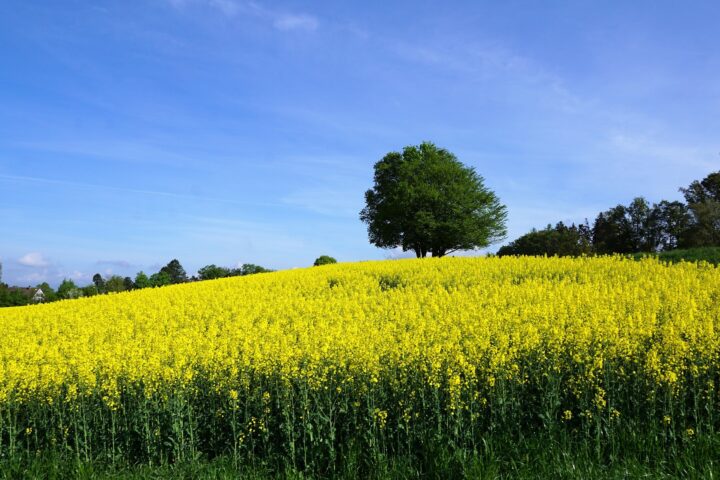
Renoncer au colza suisse?
Le colza est la principale plante oléagineuse de Suisse, et son importance ne cesse d’augmenter. L’huile qui en est tirée remplace de plus en plus souvent l’huile de palme, importée et impopulaire.

Un système d’alerte contre le mildiou pour protéger les récoltes de pommes de terre
En agriculture, la belle saison est aussi celle des ravageurs. Les pressions sur les cultures sont fortes. En ce moment, la pomme de terre est particulièrement sensible au mildiou.
Biodiversity
Biodiversity entails the diversity of life on three levels: the «diversity of species», the «diversity of genes» and the «diversity of habitats». It thus includes all living beings that exist on earth and is the result of millions of years of evolution. It is nothing less than the basis of our existence.
Biologicals
Agricultural biologicals are a diverse group of crop protection strategies and products made from living or naturally occurring materials such as microbes or plant extracts, or use beneficial insects. They can also be synthesized in the lab, but are nature-like in composition.
Biotechnology
Biotechnology is a collective term for a large number of processes, products and methods. According to the definition of the Organization for Economic Co-operation and Development (OECD), biotechnology is the application of science and technology to living organisms, parts of them, their products or models of them.
Biocides
Biocides are active ingredients that kill undesirable organisms such as pests and pathogens or severely restrict their vital function. They belong to the pesticides category and are used to combat harmful organisms such as insects, fungi, bacteria, rodents and algae.
«Biologicals» – biologically active substances from research
Modern crop protection products must be safe, targeted and short-lived – i.e. degraded shortly after reaching their target – without leaving behind biologically active degradation products.
Inhalt auf Deutsch
Abiotic / Biotic Stress
Numerous stress factors can have a negative impact on the growth and health of plants. These include, for example, insects, fungal diseases, weeds, bacteria or viruses – these are known as “biotic” factors.
Bio-dynamic agriculture
According to its own definition, biodynamic agriculture is a comprehensive, holistic organic cultivation method without artificial fertilizers or chemical synthetic pesticides. «Agriculture Course» by Rudolf Steiner in Koberwitz in 1924 forms the basis of the constantly evolving method. It is essentially about understanding «life» in its diversity and promoting it holistically.
Why domestic cats threaten biodiversity
A ban on keeping domestic cats is currently being discussed in Scotland. The reason: driven by their hunting instinct, they are able to wipe out entire species of animals. The cat problem is also on the agenda in Switzerland.
Pesticides, Biocides, Plant Protection Products
The term "pesticide" originally comes from the word "pest". A pesticide is an agent used to control pests.
Urban beekeeping is endangering biodiversity
Beekeeping is booming in Swiss cities. Urban residents want to make a contribution to the conservation of the honeybee. However, a study by the WSL research institute shows that the amateur beekeeping is not sustainable. It endangers biodiversity in cities, as honey bees increasingly displace wild insects.
How can biodiversity be protected effectively?
Biodiversity is essential to life. And it is currently a very topical issue. The obligation to set aside areas of Swiss farmland for biodiversity promotion has clearly not achieved the desired objectives. Recently published studies indicate that species diversity remains under pressure. This is what prompted swiss-food, in the latest of its series of talks with three established experts, to focus on the tensions between biodiversity and agriculture and to shed some light on the reasons for these.
Sustainable food from the bioreactor
Feed more people and waste less raw materials – we are achieving this goal thanks to "sustainability from the laboratory," Tilo Hühn is convinced. Together with a team of 80 at the Zurich University of Applied Sciences (ZHAW), the food architect is researching sustainable nutrition solutions.
Seizing the opportunity of green biotechnology
It's crucial for Switzerland to reestablish its leadership in biotechnology and actively contribute to addressing global concerns. Achieving this requires greater courage and openness to new technologies.
Biotechnology has only just begun
When Frank Schirrmacher cleared the pages of the Frankfurter Allgemeine Zeitung's arts section on 27 June 2000 to publish the human genome, which had just been deciphered for the first time, letter by letter over six pages, biotechnology came to the attention of the general public for the first time.
More organic does not mean more biodiversity
According to a team of researchers at the University of Göttingen, the key to more biodiversity lies in a landscape mosaic of natural habitats and small and diverse areas of cultivation.
Without biocides, animal welfare and food safety suffer
At the Swiss-Food Talk, three experts underlined the importance of biocides for agriculture and food processing. The conclusion of the talk: without biocides, food safety and animal welfare could not be guaranteed.
Inhalt auf Deutsch
Bio Suisse rejects modern breeding methods
At their meeting in April 2023, the delegates of Bio Suisse rejected the use of new breeding methods in organic farming. With this decision, the organic association closes itself off from the possibility of becoming more productive and sustainable through modern precision breeding, such as the incorporation of disease tolerance using the CRISPR/Cas gene scissors. As reported by the "Tages-Anzeiger," the decision of the delegates was clear, and there was no real substantive debate on the topic.
Using DNA in the air to measure biodiversity
Biodiversity is at risk worldwide. This is particularly evident in the decline in land insects. Researchers are now using DNA traces in the air to detect species. This makes it possible to better measure biological diversity on Earth.
Biotechnology as a Tool for Nature Conservation
New genomic technologies can help save endangered species – from the chestnut tree to the northern white rhino.
Productive agriculture helps the climate and biodiversity
There is a common belief that organic farming is good for the climate and that it promotes biodiversity. However, this notion is increasingly be proven incorrect.
The great benefits of biotechnology in agriculture
Bioengineered crops have been cultivated in many parts of the world for around 25 years. Several publications bear witness to the great benefits of biotechnology in agriculture. The cultivation of the plants has a positive effect on the environment, the climate and yields for farmers.
At Bio Suisse, appearances and reality diverge
Over the past decades, the umbrella organisation Bio Suisse has developed into an organisation with almost one hundred employees. In order to be able to achieve the quantities demanded by the retail trade and the high, also visual quality of conventional cultivation, Bio Suisse cannot avoid spraying areas with insecticides.
Green biotech: safety concerns no longer hold water
At the end of October, swiss-food.ch hosted a film screening and panel discussion in Zurich on the subject of genome editing entitled “Between Protest and Potential”. The well-attended event dealt with the emotional debates in recent decades surrounding genetic engineering. The event showed that the situation has changed fundamentally.
Gene editing is also revolutionizing biological plant protection
Crops used in agriculture must adapt to changing requirements. Modern breeding has produced ingenious tools such as gene editing, which complement traditional breeding methods in a meaningful way.
Inhalt auf Deutsch
Biotech Breeding in Africa: A New Hope for Small-Scale Farmers
For potato farmers globally, late blight has been a persistent foe. While European farmers battle it, in Africa, the repercussions are often more devastating due to limited resources. Yet, there's newfound hope.
The threat posed by Asian hornets continues to grow
The Asian hornet has been posing a threat to native honey bees for several years. The situation is becoming increasingly serious. Reports speak of four times more nests than in the previous year. This pest threatens biodiversity. Politicians are also alarmed.
"Organic products do not require pesticides."
The fact that organic farmers work without pesticides is a commonly-held view, but it is clearly wrong. Around 60 percent of the Swiss top ten crop protection products are also approved for organic farming. The organic farming industry, in its current form, could not exist without modern synthetic plant protection products.
"Organic products can feed the world"
To produce the same amount of food, organic agriculture needs around 40 percent more space than conventional agriculture. In order to be able to feed the growing world population completely organically, up to 80 percent more space would be needed in the future.
Is organic more ecological?
A study by the Technical University of Munich (TUM) posits that organic farming causes significantly lower environmental costs than conventional farming. However, agricultural economist Herbert Strübel disagrees, as the significantly lower yields of organic farming are not included in the calculation.
Organic farmer calls for genome editing for fruit growing
The high number of plant protection treatments is a major challenge for organic farmers. One of them is apple grower Marco Messerli from Kirchdorf BE. He has had to treat susceptible apple varieties with organic pesticides a total of 48 times. Too much, he thinks, and is now calling for the authorisation of new breeding methods. Experts agree with him.
ARTE documentary: Genetic engineering in organic farming?
The ARTE documentary “Genetic engineering in organic farming?” examines key controversial questions of modern agriculture: Is the general exclusion of new breeding technologies still up to date? Can the resistance of organic farming be justified scientifically?
Is Organic More Sustainable?
Organic food is considered a prime example of sustainability – but in reality, it often ends up in the waste bin faster than conventional products. The omission of artificial preservatives and modern plant protection drastically shortens shelf life and leads to more food waste.
Organic: Luxury at the expense of developing countries
ZDF takes a look at the organic farming industry in a documentary program. Are organic products actually more sustainable and better for the climate than comparable products from conventional agriculture? From the perspective of resource efficiency, the question must be answered in the negative.
Organic products more frequently affected by recalls
Organic products have to be taken off retailers’ shelves at an above-average rate. The reason for this is toxins from plants harvested together with the organic produce or from molds. They can be controlled less well in organic agriculture than in conventional agriculture.
Genome editing: Organic farming shuts itself off from progress
In future, the EU wants to treat genome-edited plants in the same way as conventionally bred ones. As the "NZZ am Sonntag" writes, this is like a small revolution. Until now, the commercial use of gene scissors has been impossible due to an extremely restrictive genetic engineering law.
«Organic in this country, banned in the Philippines»
In the Philippines, Greenpeace has obtained a ban on Bt aubergines and golden rice. Incredibly, the same bacteria that the environmental organisation defames as dangerous there is being praised as organic in Switzerland.
Even the pasta from the organic speciality shop cannot be produced without genetic engineering
The EU is currently debating the regulation of new plant breeding methods. The discussion is also underway in Germany. The knowledge magazine Terra X has taken this discussion as an opportunity to look at the topic in more detail.
«One-third organic farming does not solve the problem»
Agriculture Minister Cem Özdemir has declared organic farming to be the new guiding principle to follow – on many occasions, but most recently in a press release this past week. Nevertheless, Özdemir should rethink this topic.
«Breeding in itself is not natural.»
Prof. Dr. Detlef Weigel, Director of the Department of Molecular Biology at the Max Planck Institute for Biology
Old Stories Die Hard – when (organic) marketing blinds us to reality
An ORF documentary highlights what many organic enthusiasts don’t want to hear: mutagenesis is genetic engineering – and has been present in countless crop varieties for decades. Yet organic retailers like REWE and dm demand labelling requirements for new breeding techniques. Scientifically, this makes no sense.
"Natural is healthy, chemicals are toxic."
Everything that occurs in nature is healthy and synthetically produced substances, i.e. "chemical" substances, are toxic. This myth is fundamentally wrong: There are many highly toxic substances in nature, and at the same time there are many synthetic substances that are absolutely harmless.
"Pesticides are to blame for insect deaths."
Pesticides are repeatedly blamed for the decline in insects. That is too simplistic an assessment. The reality is much more complex. For example, overdevelopment has a much stronger influence on insect populations. This is demonstrated by a meta-study on global insect decline.
"Pesticides damage the climate."
Pesticides are bad for the climate? No, the exact opposite is true. Plant protection products help to produce more food on less usable space and thus protect the soil.
Dramatic drop in yields without crop protection
Food security is one of the greatest global challenges of the 21st century. The world's population is growing and the growing conditions for agriculture are deteriorating due to climate change.
Synthetic corp protection products
All corp protection products that are produced by synthesis are also synthetic. Synthesis is the process by which a compound is produced from elements or a compounded new substance is produced from simply constructed compounds. Active substances that are produced synthetically can, however, be identical to nature in their effect.
Plant Protection – Protecting Crops
Plants of all kinds can become ill. Just as medicines are used in humans, plant protection products are applied to maintain the health of crops and to prevent their destruction by pests (insects, fungi, weeds).
Combating food waste with packaging and preservatives
The longer food lasts, the less likely it is to be thrown away. Chemical procedures and packaging materials are vital for preserving food. In its online magazine, BASF examines how food preservation techniques have developed and explains the importance of chemicals are in combating food waste. Preservatives are an effective way of combating food waste.
Key answers at a glance
Plant protection products and biocides have proven their worth. They not only enable regional food production, but also limit food loss and food waste. Here are ten questions and answers on pesticides and plant protection products.
Invasive species threaten native plants
The economic interdependence of the world has increased greatly over the past years and decades. Due to the brisk trade activity between the continents, invasive plant and animal species are also spreading faster and faster. This can lead to serious problems for native vegetation and agriculture. According to the FOEN, the canton of Ticino is particularly affected.
Synthetic has many benefits
Synthetic pesticides are often automatically viewed as problematic compared with natural pesticides. But this is a misconception. It is not possible to make any general statements about toxicity based on the production method alone.
Traveling Japanese beetle threatens native plants
The Japanese beetle was first discovered in Switzerland in 2017 in Ticino. Now it has made it to the northern side of the Alps. After being found in Basel-Stadt and Solothurn, a larger population of the beetles has been found in Kloten for the first time. They are controlled with traps, but also pesticides.
Healthy eggplants thanks to Bacillus thuringiensis
Insect pests like fruit and shoot borers pose a significant threat to food security in many regions of the world. External application of chemical insecticides has proven unsuitable. Therefore, the research industry has high hopes for biologics.
Animal feed: Domestic rapeseed instead of imported soy
The protein-rich press residues of rapeseed would be ideally suited as feed for livestock with the help of "genome editing". Instead of imported soy, domestic rapeseed could be fed to animals.
Plant breeding for resource-efficient farming
Climate change, pests, population growth and ever-scarcer resources pose major challenges for farmers around the world. And being able to produce sufficient food in a manner that is as environmentally-friendly as possible requires increasingly robust plant varieties.
Late blight: utilising resistance from wild potatoes
Late blight is one of the most dangerous potato diseases. Biotech methods can be used to equip potatoes with a resistance gene against late blight.
Creeping threat to food safety
Food safety is in danger. Mycotoxins are particularly dangerous. These are fungal toxins that attack cereals or nuts, for example.
Invasive pests travel with us
Invasive pests and plant diseases are among the greatest challenges for biodiversity and agriculture. They often enter Switzerland via travel and imported goods and cause great damage to cultivated and wild plants. Since 2020, the import of plants from non-EU countries is prohibited. However, introduced pests are a worldwide problem.
No food safety without pesticides
Measured residues of pesticides are often sensationalised in the media. The fact that these residues are well below the levels that could affect our health is usually not mentioned.
Safe Use of Highly Effective Pesticides
If Highly Hazardous Pesticides (HHP), as they are known, are handled and used correctly, they are safe. In many countries, indeed, they are the only solution for saving lives,
Facts about drinking water and limit values
'Pure' water is either a tasteless distillate or a selling point. As natural products, neither tap water nor branded water is 'pure'. However, both can be drunk without hesitation.
“More than 200,000 deaths annually due to pesticide poisoning”
If you look closely, you can see: The number comes from a 35-year-old study. In a thought experiment at the time, suicides involving pesticides in Sri Lanka were extrapolated worldwide.
From molecule to crop protection product
On average, five crop protection products are approved for the market each year worldwide. Developing new products is challenging, time-consuming and expensive. It takes more than 12 years from the start of the search for a suitable substance to the approval of the market-ready product. The costs amount to more than 300 million US dollars. Every new crop protection product must meet strict requirements. The approval procedures for crop protection products are comparable to those for new drugs.
You can't do without healthy, high-quality food from Switzerland
At the Swiss-Food Talk, three recognised experts gave answers to current questions in connection with a healthy, sustainable diet. And made an appeal to common sense.
Inhalt auf Deutsch
«You cannot vote on science»
Resistance to new technologies is currently booming. In the case of green genetic engineering, politicians are also finding it difficult to deal with new technologies in a forward-looking way. But where does this fear of new things come from? Ludger Wess, science journalist and molecular biologist, talks about this in the Swiss-Food Podcast.
Inhalt auf Deutsch
“Genetic engineering endangers health”
It is often said that genetically modified foods are not safe and could have a negative impact on human and animal health. However, these claims cannot be substantiated by facts.
Is the industry exporting banned pesticides?
NGOs and the media repeatedly report on Swiss manufacturers of plant protection products who export pesticides that are banned in Switzerland. They claim that weak regulations in the importing countries are being deliberately exploited. However, this is not the case. Swiss manufacturers adhere to strict international standards when exporting plant protection products. Since approvals are also tailored to agronomic needs, the crops grown and the market, regulation from Switzerland makes no sense.
Challenges and opportunities of sustainable agriculture
Tomorrow's agriculture must produce more efficiently. And at the same time protect the climate and biodiversity. At the Swiss-Food Talk, three renowned, independent experts spoke about the challenges and opportunities of tomorrow's sustainable agriculture.
Inhalt auf Deutsch
«Food is safer than ever»
The eating habits of the population have changed greatly in recent years. There is a trend towards healthy and sustainable nutrition. But at the same time, many consumers are also unsettled.
Inhalt auf Deutsch
«People don't know what chemistry is»
People often discuss pesticides and biocides. «Pesticides are chemistry and chemistry is poison», is often said. According to Dominique Werner of scienceindustries, the negative attitude often has to do with ignorance.
Inhalt auf Deutsch
Agricultural initiatives: Counterproposal goes too far
In an effort to lower the risks of pesticide use, the Economic Affairs Committee of Switzerland’s Council of States has put forward a parliamentary initiative entitled “Reducing the Risks of Pesticide Use.”
Do without Swiss rapeseed oil?
Rapeseed is the most important Swiss oil crop and it continues to gain in importance. Unpopular palm oil imports are increasingly being replaced by Swiss rapeseed oil.
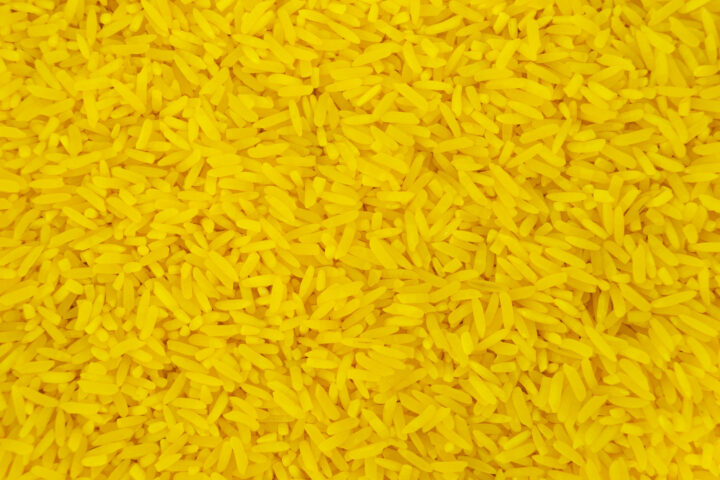
Finally, a golden age for golden rice
The World Health Organization (WHO) estimates that worldwide, as many as 500,000 children go blind every year due to a lack of vitamin A. Roughly half of them die within 12 months of losing their sight. This miserable situation could be greatly eased if the affected children had access to an inexpensive, everyday food containing an adequate amount of vitamin A.

Food trends: Innovative technologies are indispensable
Climate change and environmental problems will change our eating habits. The food of the future will have to be both good for us – and good for the planet.
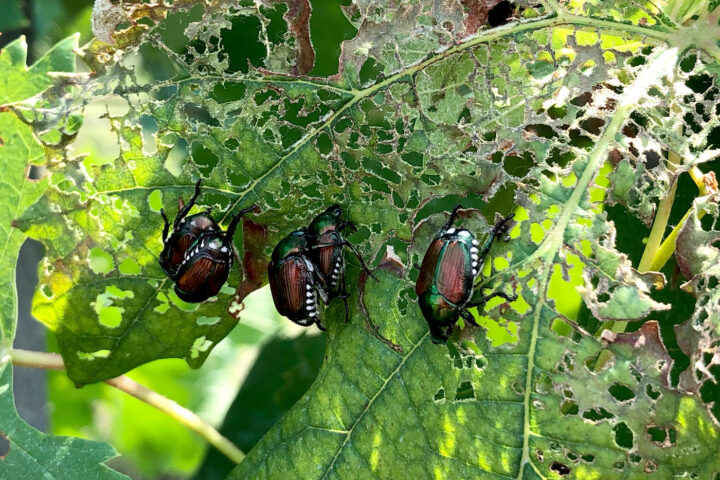
Report the invasive Japanese beetle immediately!
The voracious Japanese beetle is threatening to spread in Switzerland. It was introduced to Switzerland four years ago and was first discovered in the canton of Ticino. To prevent the spread of the pest, the Agroscope research centre is working together with the people of Ticino. An innovative tool is being used to enable the rapid reporting of any discoveries of the Japanese beetle.
«Overcoming the urban-rural divide with constructive agricultural policy»
Yes, there is indeed an urban-rural divide in Switzerland: Three quarters of the Swiss live in the 49 agglomerations and their core cities. For the most part, they have lost contact with the rural population - and even more so with agriculture.
Inhalt auf Deutsch
«We protect what we use»
In fact, nature is in a constant state of change. And man has always shaped nature. Thus, many alpine meadows with their rich biodiversity only came into being thanks to clearing by our ancestors for the purpose of agricultural use.
«Genetic engineering and environmental protection go hand in hand»
For many years now, scientists at the University of Zurich Department of Plant and Microbial Biology have been investigating the immune system of cereal plants. Our goal with this research is to better understand the diverse interactions of plants and pathogens so that we can, ultimately, help better equip plants to ward off pests and disease.
«Is organic really healthier?»
Whether a food has an effect on human health depends primarily on its composition. Fruits and vegetables contain particularly many micronutrients and secondary plant compounds. These have a positive effect on health and should therefore be part of a balanced diet.
Inhalt auf Deutsch
«The «Greta» generation will rigorously dispel paradigms.»
Plant breeding aims to make crops genetically fit for our needs of tomorrow. The focus here is on securing food for a growing world population without taking up more land and at the same time reducing emissions from agriculture.
Inhalt auf Deutsch
Moratoria also damage research careers
Researchers are losing access to Horizon Europe. Restoring it is a top priority. But Switzerland also has it in its own hands to enable attractive new fields of research instead of blocking them.
Inhalt auf Deutsch
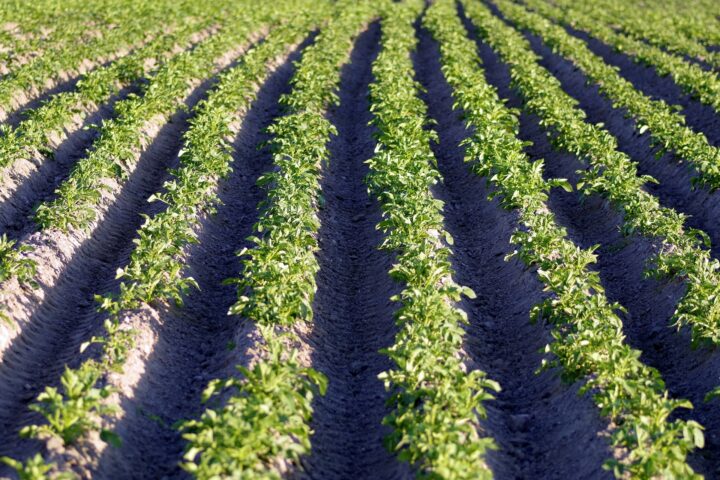
Resource wear instead of regional production
On 13 June, the Swiss voters voted in favor of productive agriculture and against technology bans. They want regional food at affordable prices in the future. However, Switzerland is moving in the wrong direction with the unofficial counter-proposal under discussion on the two rejected agricultural initiatives. Disproportionate new hurdles in the authorization of plant protection products are threatening farmers with failed harvests. The environment and climate are not helped.
CO2 reduction with alternative artificial fertiliser
The two agrochemical producers Bayer and Syngenta are investing in an American start-up whose technology can massively reduce the use of nitrogen fertiliser.
Inhalt auf Deutsch
When copper no longer helps
The wet summer in 2021 led to losses of as much as 80 percent for potato farmers. Organic farms were hit especially hard. Even the massive use of copper was unable to save harvests in many cases.
«Research and work place needs impetus»
In the current autumn session, the topic of gene technology is once again on the political agenda - it will be discussed in the National Council on 23 September. Those who believe that the successful use of the technology for the production of Covid vaccines will lead to an easing of the discussion are mistaken.
Inhalt auf Deutsch
Insect-resistant SmartStax maize does not harm water fleas
Farmers around the world are growing pest-resistant varieties of maize that contain additional genes that protect them against damage caused by insects.
Optimising nature
The romanticized conception of “natural” is deceptive. Very little of what we eat today developed naturally. “For 12,000 years, people have selected plants based on their characteristics, in an effort to make them edible and more productive,” says Bruno Studer, professor of Molecular Plant Breeding at ETH Zurich. Agriculture has developed through artificial selection.
«What plant breeding brings us»
In times of organic boom and romanticised nature, plant breeding has a hard time. It is forgotten that humans owe their most important food suppliers to it. Almost none of what we eat today used to occur naturally in the world.
Inhalt auf Deutsch
Swiss farmers can no longer protect their crops
There is great uncertainty. Nobody knows how to guarantee the protection of crops in the future. There are hardly any approved active substances available that can be used to fight pests and fungal diseases.

Agricultural production in the EU to drop by 20 percent
The European Green Deal would reduce the amount of agricultural production in the EU and lower farmers’ incomes.
Opportunities for start-ups in the agri-food sector
From a technological point of view, there is no reason why Switzerland should lag behind current hotspots such as Singapore or Israel in the field of agri-food tech. Nutrition is above all a question of innovation.
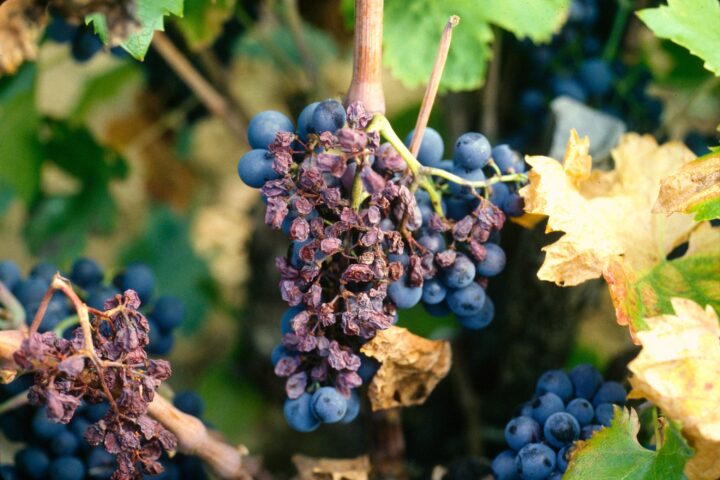
Canton of Zurich: Up to 90 percent fewer grapes
The wet summer had a disastrous impact on the grape harvest. Conditions were ideal for mildew and other diseases and pests. In the canton of Zurich, the grape harvest was 50 percent smaller than usual.
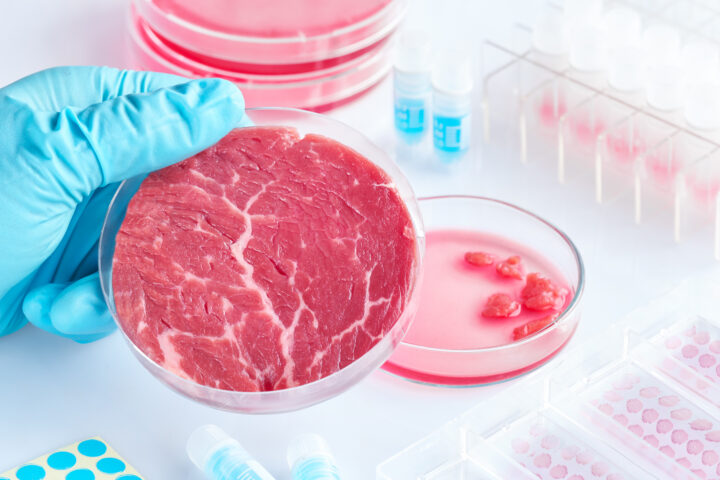
From stem cell to steak
Meat production consumes a lot of resources. And for a wide variety of reasons, people are eating less meat or even giving it up entirely. A growing number of companies are therefore looking into alternative methods of producing meat – for example, in a lab.
An innovation hub for cultured meat
Migros, Bühler and Givaudan are launching an innovation hub for cultured meat. A pilot facility in Kemptthal (canton of Zurich) is moving forward with the development and marketing of lab-grown meat.
«An area one and a half times the size of the EU»
The world’s population will increase to roughly 10 billion by 2050. Urs Niggli is therefore convinced that we need to make more productive use of existing land. This also means using gene editing.
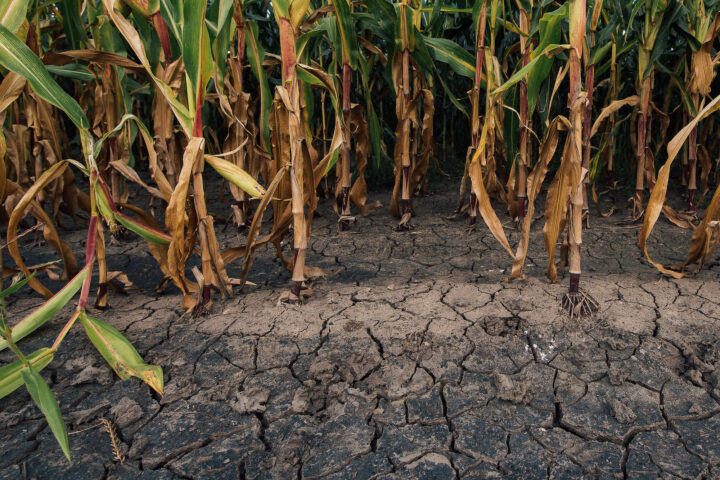
Climate change requires precision breeding
Central Europe is becoming hotter and drier due to climate change. We need robust new crop varieties to protect harvests against invasive pests. Innovative methods, such as precision breeding using gene editing, can help growers keep pace with climate change.
Making vanilla flavoring out of plastic waste
Using bacteria, researchers in Scotland have succeeded in making vanillin out of plastic waste. This opens up the possibility of transforming plastic waste into a product that is in demand all over the world, thereby benefiting both the environment and food producers.
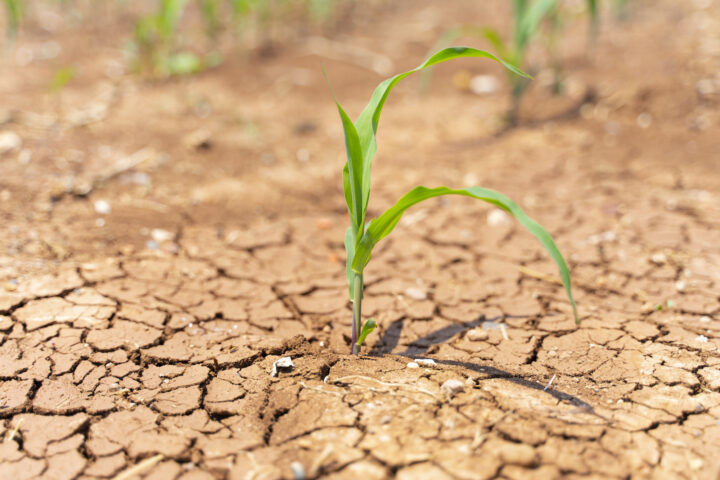
Drought-tolerant maize as a response to climate change
Climate change poses increasing challenges for agriculture. Plant breeding is therefore working at full speed to develop varieties with better resistance to environmental stress.
Inhalt auf Deutsch