

Gefundene Beiträge zu Ihrer Suche:
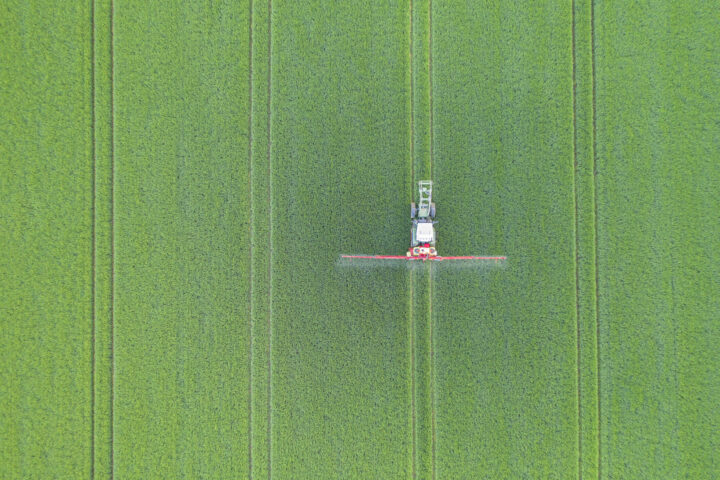
Weniger Pflanzenschutz 2020, wohl mehr 2021
Die Zahlen des Bundes zu den Verkaufsmengen von Pflanzenschutzmitteln für das Jahr 2020 zeigen ein widersprüchliches Bild: Die Gesamtverkaufsmenge an Pflanzenschutzmitteln nahm weiter ab. 2020 wurden in der Schweiz insgesamt 1930 Tonnen Pflanzenschutzmittel verkauft. Zugenommen hat der Absatz von Pflanzenschutzmitteln, die auch für die biologische Landwirtschaft zugelassen sind.

Magere Kartoffelernte 2021 führt zu Importen
Die Bilanz der Kartoffelernte 2021 sieht schlecht aus. Das miserable Wetter setzte den Knollen zu und führte zu teilweise grossen Ernte- und Qualitätsverlusten. Dies wirkt sich auch auf die Herstellung von Chips und Pommes frites aus. Zudem werden mehr Kartoffeln importiert.
Honig: 2021 Schlechtestes Erntejahr seit Jahrzehnten
Der kalte Frühling und der nasse Sommer des Jahres 2021 hatten massive Auswirkungen auf Bienen und die Honigproduktion. Im Vergleich zum Vorjahr sind die Erntemengen regelrecht zusammengebrochen. Schweizer Honig ist in den Lebensmittelläden Mangelware.
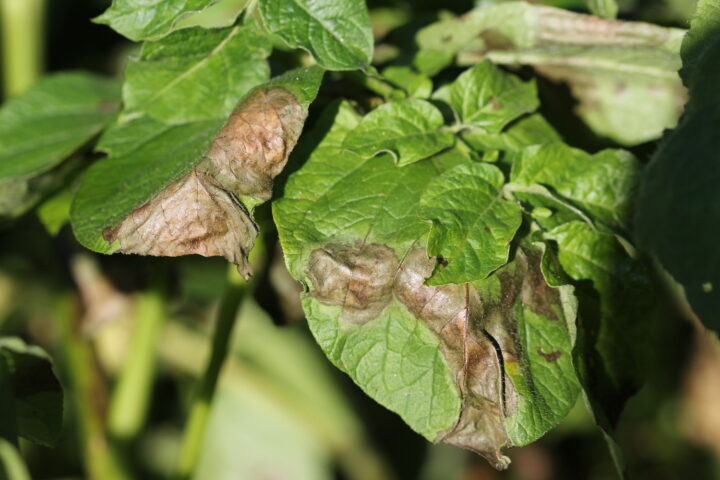
Wenn nicht mal mehr Kupfer hilft
Der nasskalte Sommer 2021 verursacht im Kartoffelanbau Ertragseinbussen von bis zu 80 Prozent. Besonders betroffen ist die Biolandwirtschaft.
Lagergemüse wird zur Mangelware
Die Auswirkungen des Regensommers 2021 werden noch längere Zeit spürbar bleiben. Einheimisches Lagergemüse dürfte bis im kommenden Frühling Mangelware sein.
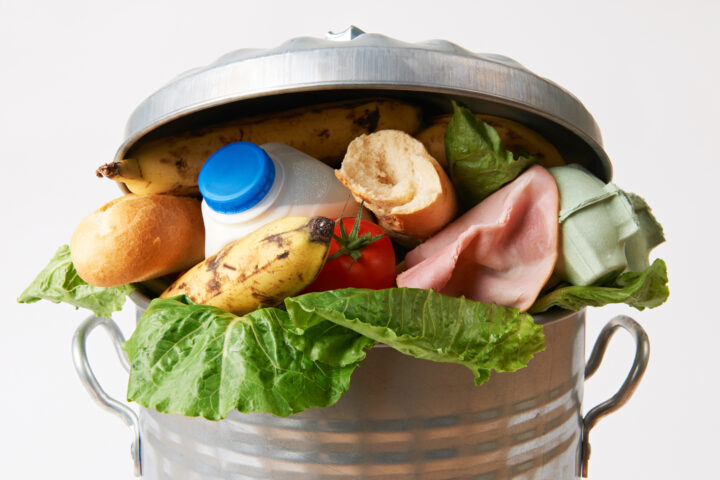
Food Waste schadet der Umwelt und dem Portemonnaie
In der Schweizer Lebensmittelkette – vom Produzenten bis zum Konsumenten – gehen jedes Jahr beträchtliche Mengen an Nahrungsmitteln verloren, die noch bestens für den Verzehr geeignet wären.
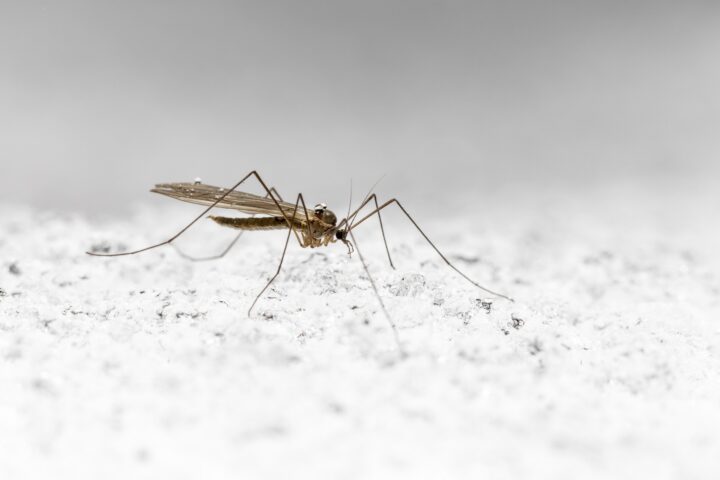
Biozide gegen Malaria
Malaria ist die häufigste Infektionskrankheit der Welt und endet in vielen Fällen tödlich. Mit einem Insektenschutzmittel (Biozid) aus der Pflanzenschutzforschung konnten die Ansteckungen deutlich reduziert werden.
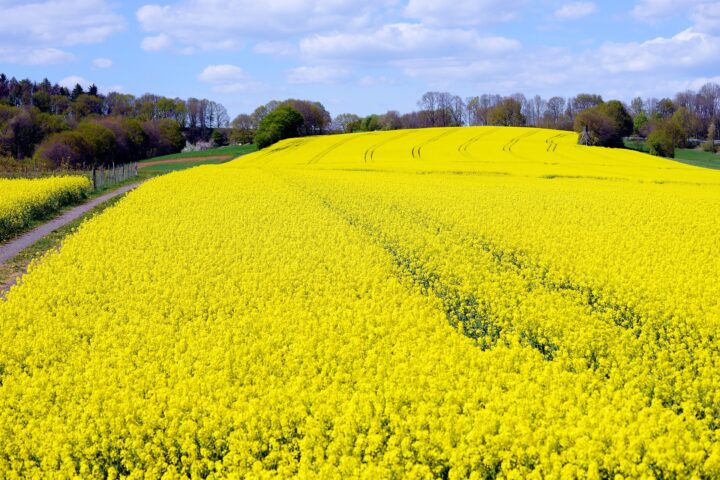
Tierfutter: Heimischer Raps statt importierte Soja
Die eiweissreichen Pressrückstände von Raps würden sich mithilfe von «Genome Editing» ideal als Futtermittel für Nutztiere eignen. Anstelle von importierter Soja könnte einheimischer Raps an die Tiere verfüttert werden.
Glyphosat bietet viele Vorteile
Glyphosat ist das bestuntersuchte Herbizid der Welt. Es wird hauptsächlich in der Landwirtschaft eingesetzt und dient Bauern dazu, Felder vor der Aussaat effizient und kostengünstig von unerwünschtem Pflanzenbewuchs zu befreien.
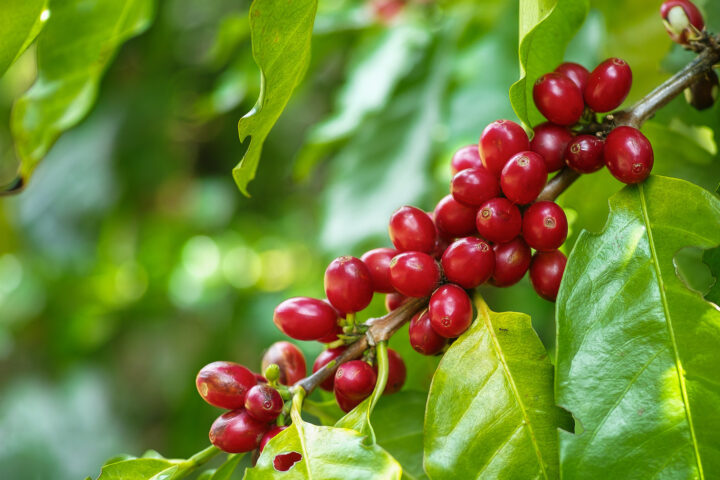
Der kleine, aber feine Unterschied auf dem Teller und in der Tasse
Besserer Kaffee, verträglichere und länger haltbare Grundnahrungsmittel – die modernen Ansätze der Biotechnologie werden unseren Konsum nachhaltig beeinflussen. Zum Wohl vieler Menschen und der Umwelt.
Sieben Jahre Spitzenforschung mit angezogener Handbremse
Im Zürcherischen Reckenholz betreibt die Agroscope seit 2014 eine gesicherte Versuchsfläche. Das Gentech-Moratorium setzt den Versuchen aber enge Grenzen.
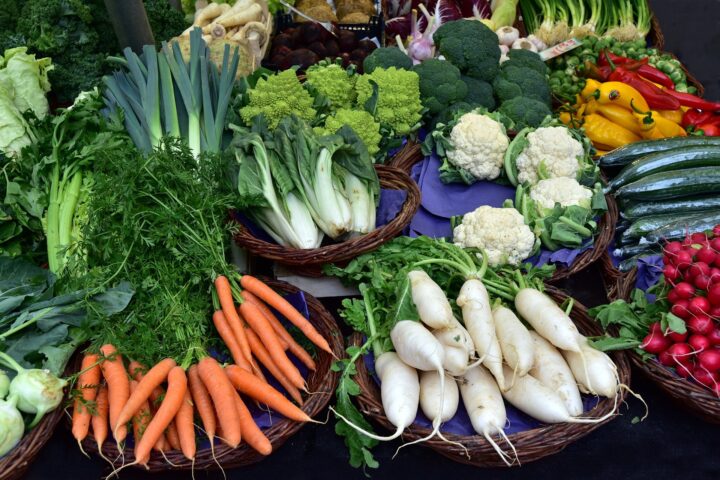
Es geht nicht ohne gesunde, qualitativ hochstehende Lebensmittel aus der Schweiz
Am Swiss-Food Talk gaben drei anerkannte Fachfrauen Antworten auf aktuelle Fragen im Zusammenhang mit einer gesunden, nachhaltigen Ernährung. Und richteten einen Appell an den gesunden Menschenverstand.
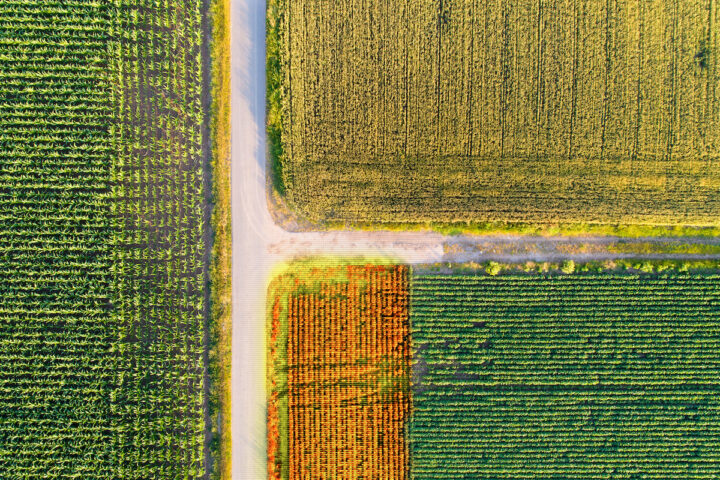
Umweltnutzen präziser Landwirtschaft
Innovationen und Technologie verändern unser Leben – und auch die Produktivität der Landwirtschaft. Wie eine amerikanische Studie zeigt, steigert «precision farming» die Erträge und nützt auch der Umwelt.
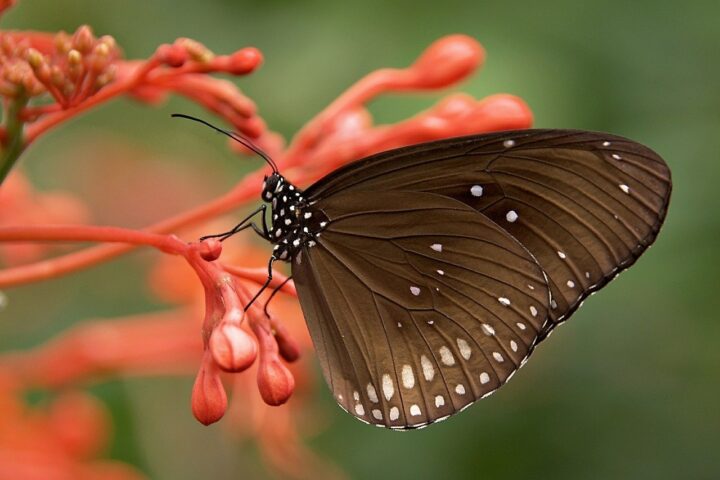
Hoffnung für den Artenschutz
Forscher wollen das Erbgut aller in Europa bekannten Arten entschlüsseln. Die Entschlüsselung und Archivierung von Genomsequenzen könnten dabei helfen, bedrohte Tier- und Pflanzenarten frühzeitig zu erkennen und entsprechende Gegenmassnahmen einzuleiten.
Herausforderungen und Chancen einer nachhaltigen Landwirtschaft
Die Landwirtschaft von morgen muss effizienter produzieren. Und dabei gleichzeitig das Klima und die Biodiversität schützen. Am Swiss-Food Talk äusserten sich drei ausgewiesene, unabhängige Experten zu den Herausforderungen und Chancen einer nachhaltigen Landwirtschaft von morgen.

Risiken: managen statt stillstehen
Statt dem Abwägen von Nutzen und Risiken von Technologien setzt man immer mehr auf ein striktes Vorsorgeprinzip. Eine zu starke Risikoaversion führt jedoch über kurz oder lang zum Stillstand.

Agrar-Initiativen: Gegenvorschlag überbordet
Das vom Parlament beschlossene Pestizidgesetz schiesst mit seinen drastisch verschärften Grenzwerten weit über das ursprüngliche Ziel hinaus.
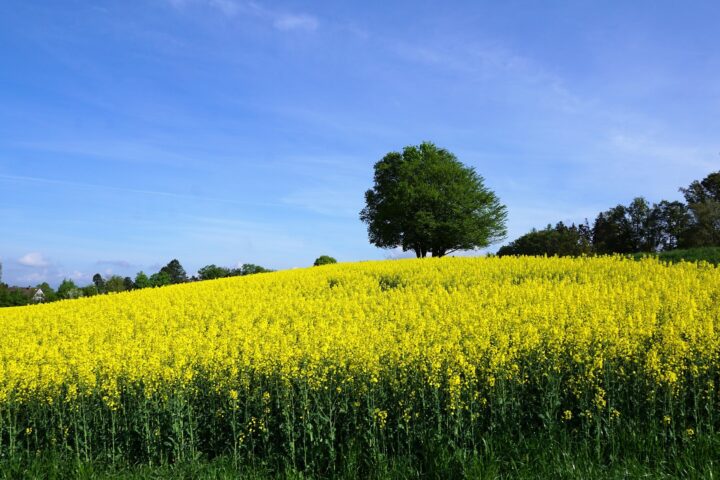
Auf Schweizer Rapsöl verzichten?
Raps ist die wichtigste Schweizer Ölpflanze und sie gewinnt weiter an Bedeutung. Unbeliebte Palmölimporte werden vermehrt durch Schweizer Rapsöl ersetzt.
Forschung und Innovation nicht abwürgen
Ob 5G, Corona-Impfung oder Gentechnik. Die Widerstände gegenüber neuen Technologien scheinen im Moment Hochkonjunktur zu haben.
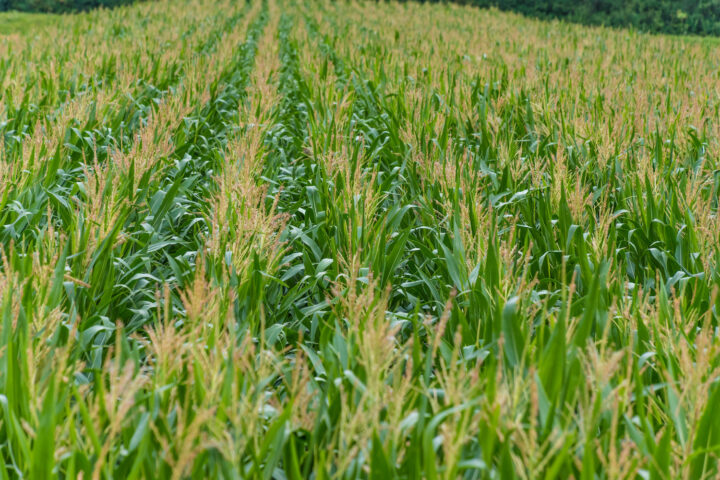
Bundesrätliche Verhinderungspolitik schadet der Schweiz
Ende Juni hat der Bundesrat die Botschaft zum Gentechnikgesetz publiziert. Im Grundsatz soll das bestehende Moratorium bis 2025 verlängert werden.

Moderner Pflanzenschutz: Besser heisst auch komplexer
Lange Zeit zählte bei der Erforschung von Pflanzenschutzmitteln vor allem eines: Sie sollten die Pflanzen so gut wie möglich gegen Schädlinge schützen und somit die Ernte maximieren.
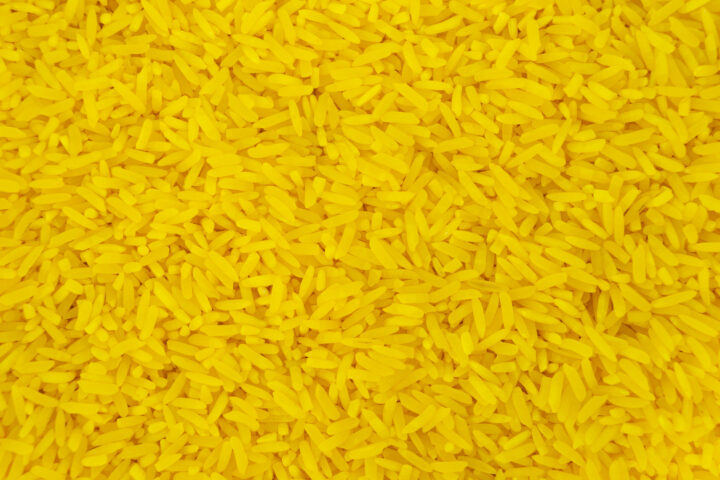
Endlich goldene Zeiten für den Golden Rice
Die Weltgesundheitsorganisation (WHO) schätzt, dass weltweit jedes Jahr bis zu 500'000 Kinder aufgrund von Vitamin-A-Mangel erblinden. Golden Rice schafft endlich Abhilfe.
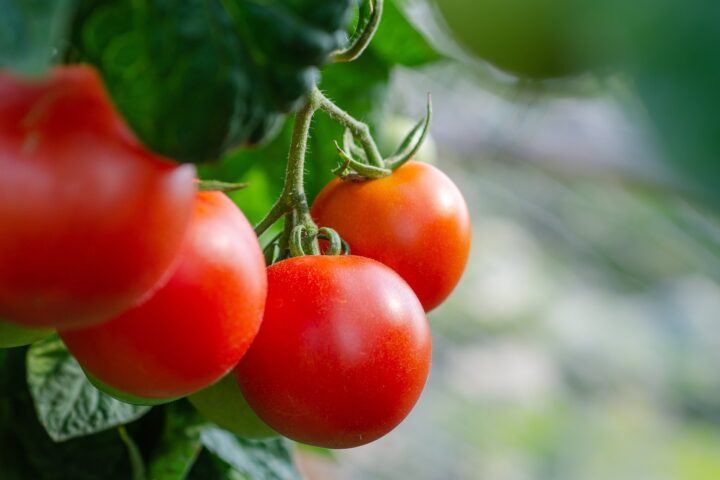
Tomaten: Von der «Wasserbombe» zur aromatischen Frucht
Die Vielfalt an kommerziell vertriebenen Tomatensorten ist heute so gross wie nie zuvor. Dies hat insbesondere mit der Züchtung neuer Sorten zu tun.
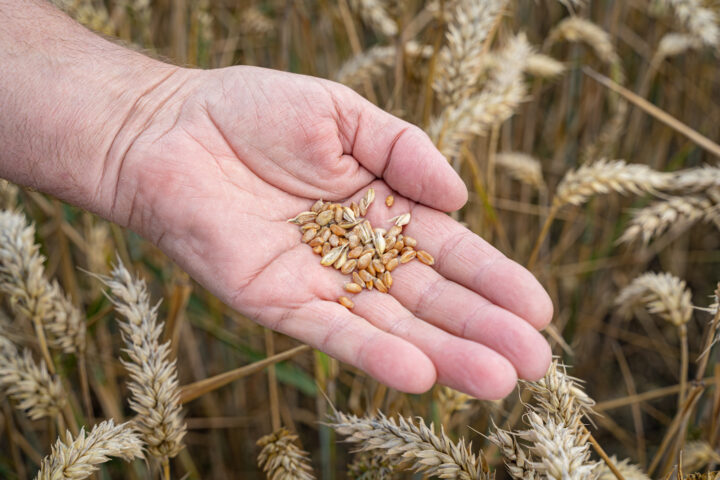
Risiken für Schweizer Ernährungssicherheit
Trotz der Covid-19-Pandemie war die Ernährungssicherheit in der Schweiz zu jeder Zeit gewährleistet. Dennoch sollten wir uns nicht in falscher Sicherheit wiegen.
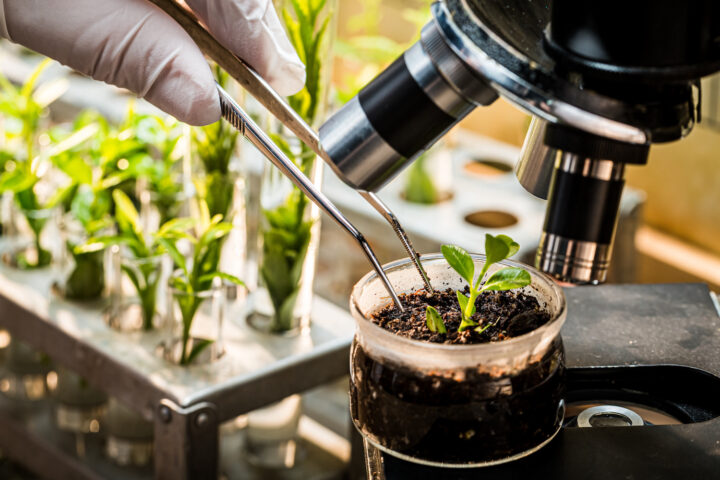
Mit CRISPR/Cas9 gegen die Kraut- und Knollenfäule
Die Nobelpreis-gekrönte Methode Crispr/Cas erlaubt die Züchtung von resistenten Sorten und könnte den Pestizideinsatz in der Landwirtschaft reduzieren.
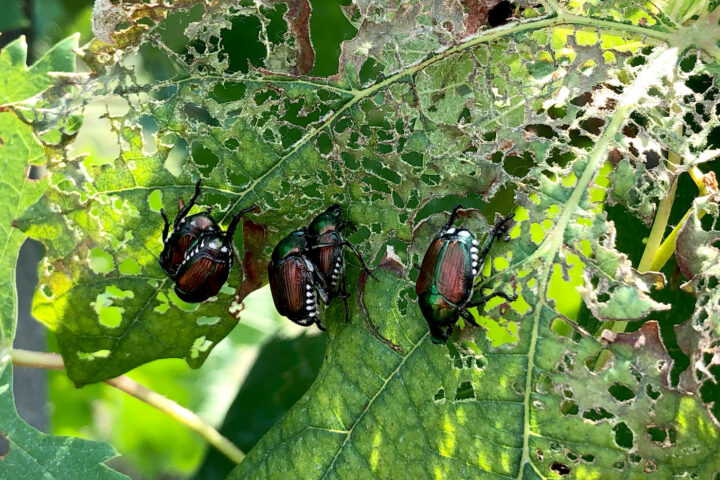
Invasiven Japankäfer sofort melden!
Der gefrässige Japankäfer droht sich in der Schweiz auszubreiten. Er wurde vor vier Jahren in die Schweiz eingeschleppt und zum ersten Mal im Kanton Tessin entdeckt. Um die Ausbreitung des Schädlings zu verhindern, arbeitet die Forschungsstelle Agroscope mit der Tessiner Bevölkerung zusammen.
Biotech-Begeisterung bei Studierenden
Biotechnologie weckt Begeisterung. Sie erlebt mit der Corona-Pandemie ein steigendes Interesse in der Öffentlichkeit.
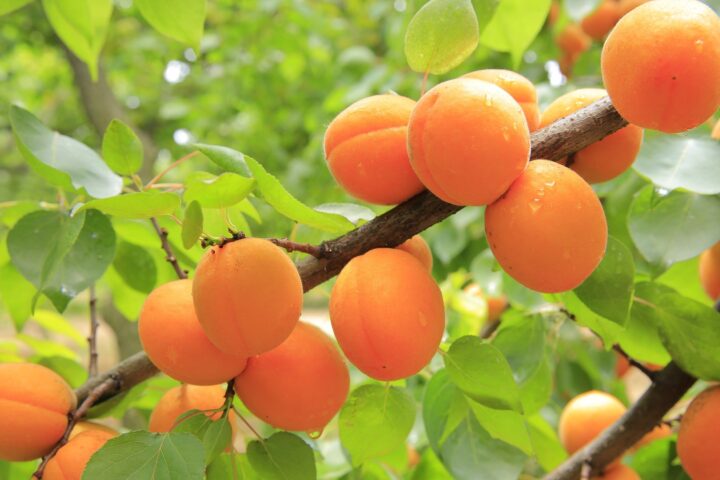
Hoffnung auf resistente Aprikosen
Normalerweise kommen im Hochsommer die ersten Walliser Aprikosen in die Läden. Doch dieses Jahr ist alles anders. Klirrend kalte Nächte zerstörten im April praktisch die gesamte Aprikosenernte.

«Auf einmal schliessen sich Grenzen»
Die beiden Agrar-Initiativen haben uns dazu gezwungen, auch über die Versorgungssicherheit der Schweiz mit Nahrungsmitteln nachzudenken.
«Ernährungssicherheit braucht echte Schweizer Produktion»
Wenn Kulturen im Wasser ertrinken, nicht geerntet oder gesät werden können, wird das Thema Ernährungssicherheit aktuell. Vor allem, wenn man sich angesichts der Nachrichten über Brände ausser Kontrolle, Dürren oder zerstörerische Überschwemmungen wie in einem Katastrophenfilm vorkommt. Denn normalerweise gilt: Was es aus Schweizer Produktion nicht oder nicht in genügender Menge gibt, wird importiert.
«Stadt-Land-Graben mit konstruktiver Agrarpolitik überwinden»
Ja, es gibt in der Schweiz tatsächlich einen Stadt-Land-Graben: Drei Viertel der Schweizer leben in den 49 Agglomerationen und deren Kernstädten. Sie haben den Kontakt zur Landbevölkerung – und erst recht zur Landwirtschaft – grösstenteils verloren.
«Wir schützen was wir nutzen»
Tatsächlich ist die Natur im steten Wandel. Und der Mensch hat die Natur immer auch gestaltet. So entstanden viele Alpwiesen mit ihrer reichen Biodiversität nur dank Rodung durch unsere Vorfahren zwecks landwirtschaftlicher Nutzung.
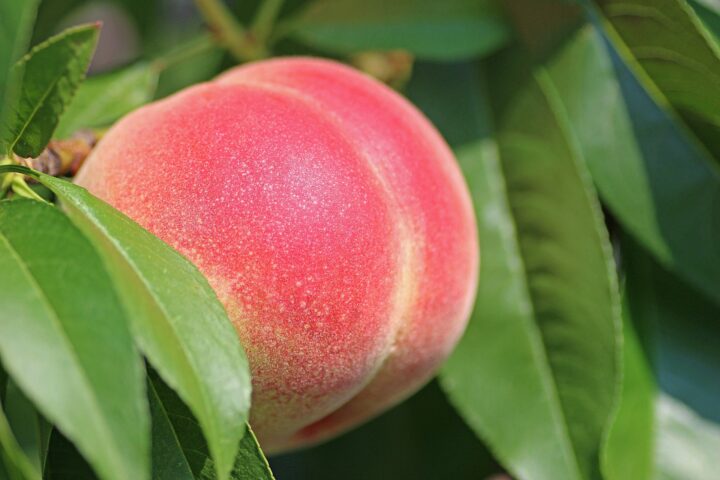
Preise für Früchte steigen
Der eisige Frühling sowie die Unwetter der vergangenen Wochen haben bei europäischen Landwirten teilweise zu massiven Ernteausfällen geführt.

Welthunger verschlimmert sich
Die Nahrungsmittelknappheit ist im Jahr 2020 in vielen Teilen der Welt drastisch angestiegen. 520’000 Menschen standen laut einem Bericht des internationalen Hilfswerks Oxfam kurz vor dem Verhungern.

Das überholte Bild vom sakrosankten Genom
Jean-Marc Neuhaus, emeritierter Professor für Molekularbiologie an der Universität Neuenburg, kritisiert im Interview mit «Heidi News» das Schweizer Desinteresse an der Gentechnik.
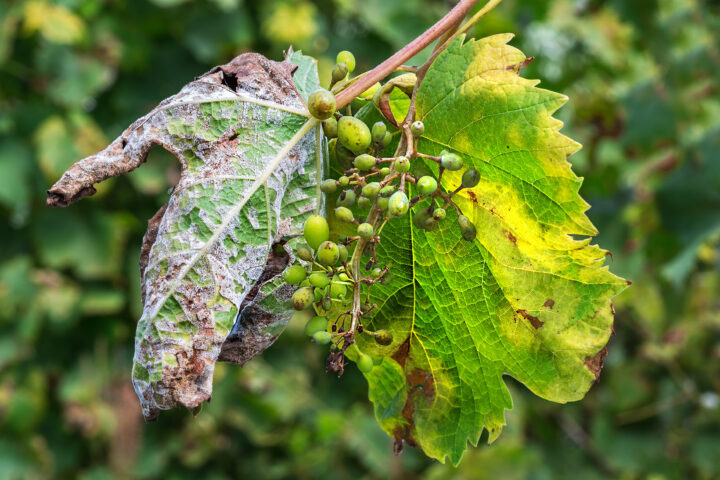
Dauerregen vernichtet Ernten
Die andauernden Regenfälle setzen der Landwirtschaft zu. Die feuchte und kühle Witterung verzögert den Reifeprozess vieler Kulturpflanzen und beeinträchtigt die Erntequalität.
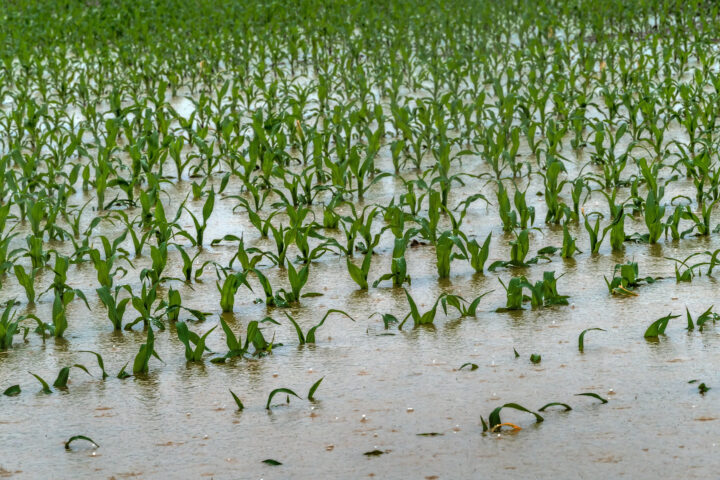
«Gouverner c’est prevoir»
Schweizer Bauern leiden unter dem anhaltenden Regen und den Gewittern der vergangenen Wochen. Viele Pflanzenkulturen können derzeit weder geerntet noch angesät werden.
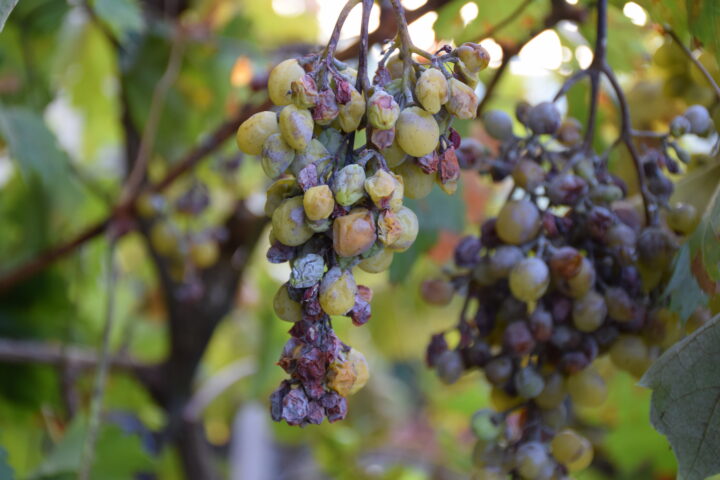
Weinbau: Ohne Synthetik geht es nicht
Die nasse Witterung der vergangenen Wochen begünstigt die Verbreitung von Mehltau. Die Pilzkrankheit gehört zu den gefürchtetsten Gegenspielern der Winzer.
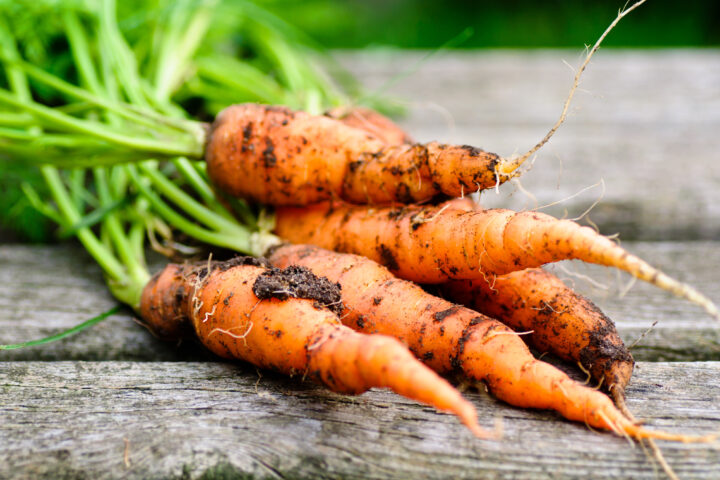
Gemüseknappheit führt zu höheren Preisen
Die Unwetter der vergangenen Wochen beeinträchtigen die Ernten von Schweizer Gemüsebauern. Sie können die Nachfrage nach einheimischem Gemüse nur teilweise decken.
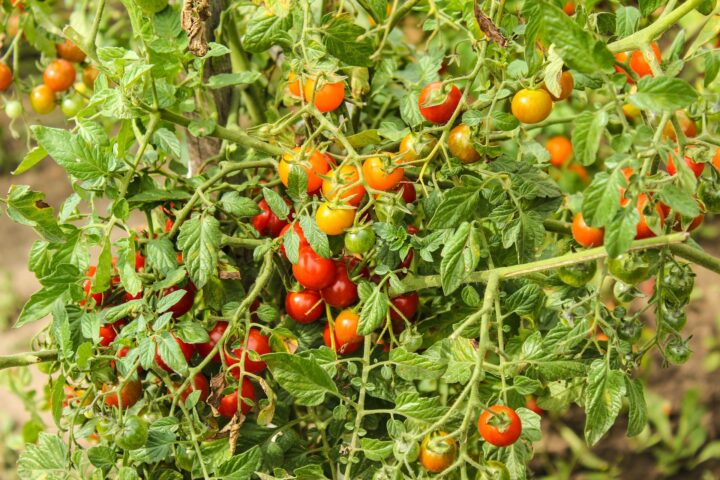
Robustere Pflanzen, weniger Pflanzenschutzmittel
Das Gentech-Moratorium soll in der Schweiz um weitere vier Jahre verlängert werden. Das hat der Bundesrat Ende Juni bekanntgegeben.
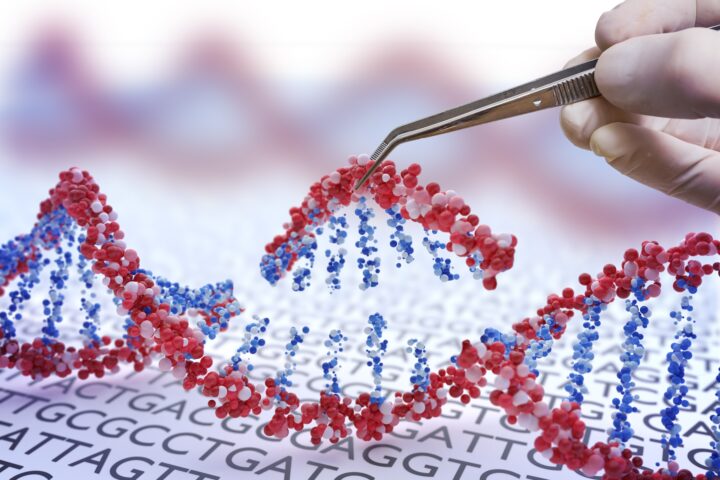
Grossbritannien will Gentech-Regeln lockern
Die britische Regierung plant eine Liberalisierung im Bereich der grünen Gentechnik. Sie will Anbau und Verkauf bestimmter gentechnisch veränderter Pflanzen bald erlauben.
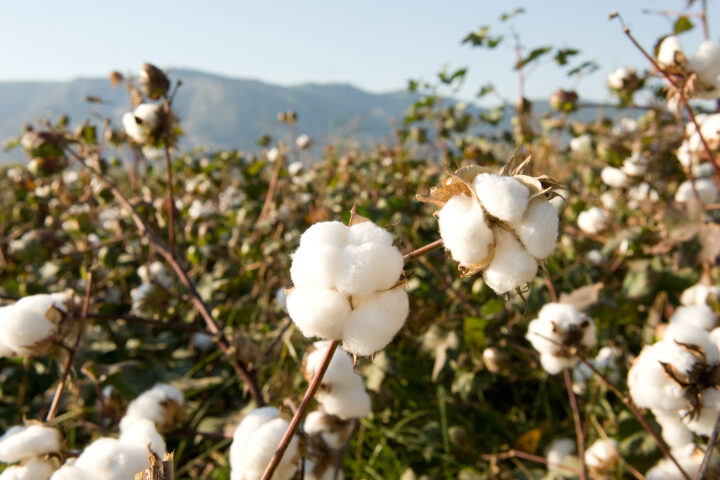
Australien: Nutzen der grünen Gentechnik erkannt
Der australische Bundesstaat New South Wales beendet sein Moratorium für den Anbau gentechnisch veränderter Pflanzen. Die grüne Gentechnik wird für Mensch und Umwelt als sicher eingestuft.
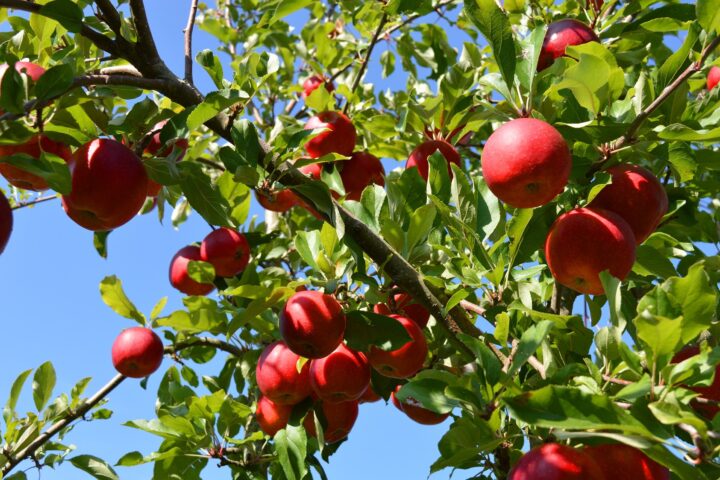
Genschere für die Apfelzüchtung
Schädlinge und Pflanzenkrankheiten bereiten im Obstbau grosse Probleme. Besonders im Apfelanbau hat die Züchtung resistenter Sorten oberste Priorität.
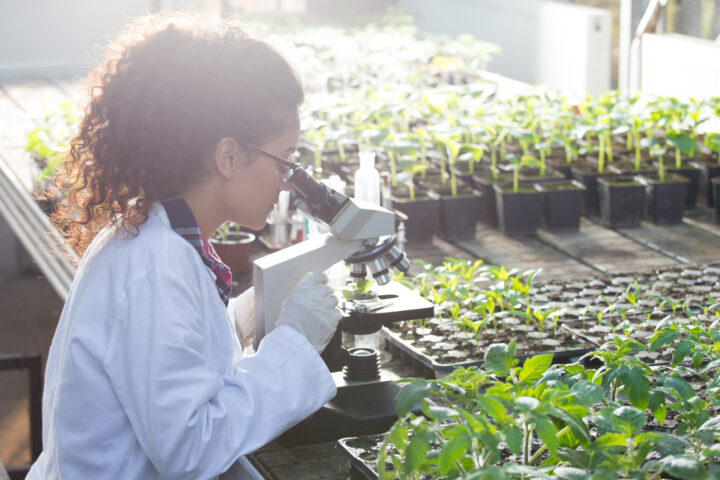
Auch Moratorien beschädigen Forscherkarrieren
Forschende verlieren den Zugang zu «Horizon Europe». Ihn wiederherzustellen, hat höchste Priorität. Doch die Schweiz hat es auch selbst in der Hand, attraktive neue Forschungsfelder zu ermöglichen, statt zu blockieren.
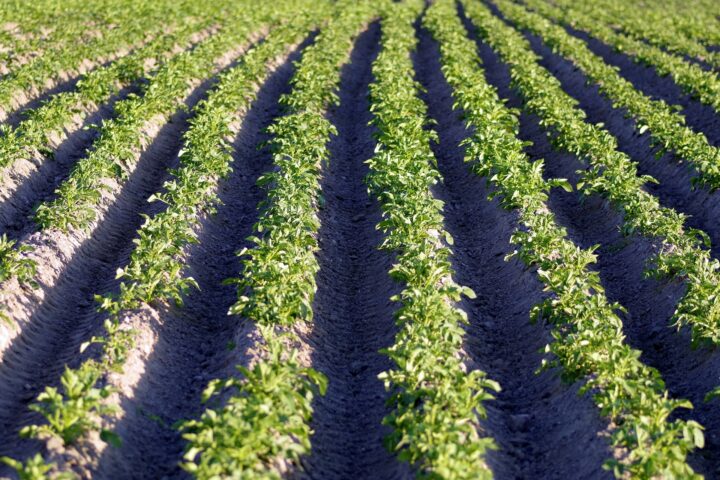
Ressourcenverschleiss statt regionaler Produktion
Durch unverhältnismässige neue Hürden bei der Zulassung von Pflanzenschutzmitteln drohen den Bauern erneut Ernteausfälle. Umwelt und Klima sind damit nicht geholfen.

«NZZ» mit Thesenjournalismus auf Abwegen
Ein Artikel unterstellt den Agrarunternehmen, dass sie nach der Abstimmung über die Agrar-Initiativen nicht zu ihrem Wort stehen.
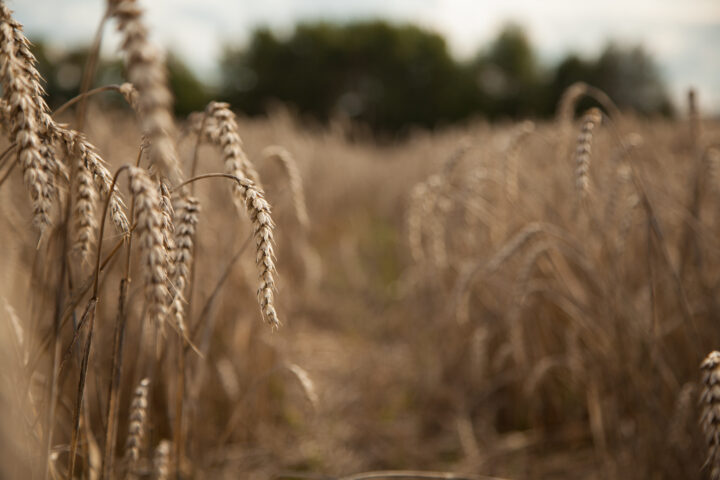
Deklassierter Weizen und Obst mit Befall
Die schlechte Witterung sorgte diesen Sommer bei diversen Pflanzenkulturen für magere Ernten. Besonders betroffen ist der Weizen.
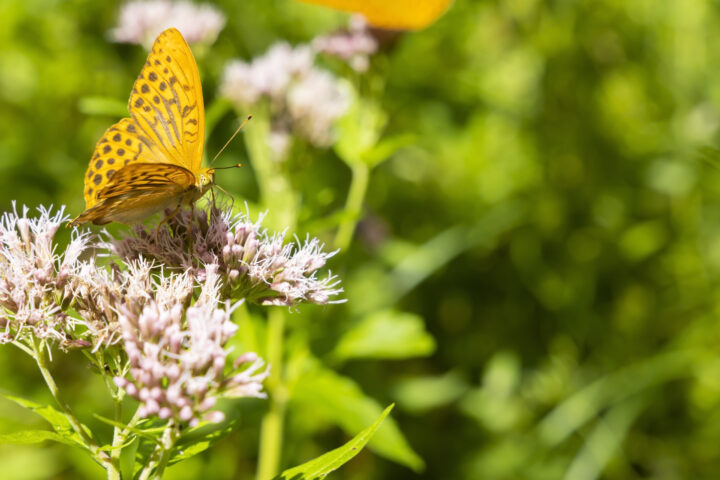
Mehr Bio bedeutet nicht mehr Biodiversität
Der Schlüssel zu mehr Biodiversität liegt gemäss einem Forscherteam der Universität Göttingen in einem landschaftlichen Mosaik an natürlichen Lebensräumen sowie kleinen und vielfältigen Anbauflächen.
CO2-Reduktion mit alternativem Kunstdünger
Die beiden Agrarchemieproduzenten Bayer und Syngenta investieren in ein amerikanisches Start-up, mit dessen Technologie der Einsatz von Stickstoffdünger massiv verringert werden kann.
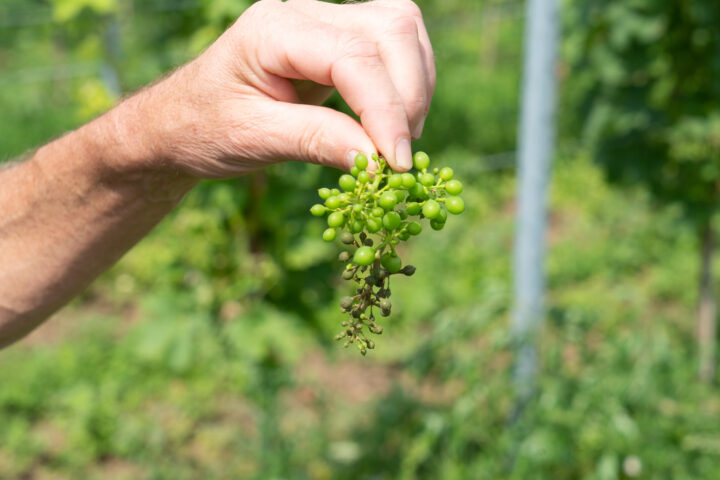
Ostschweizer Weinernte: Ohne Pflanzenschutz geht es nicht
Der Sommer 2021 wird den Ostschweizer Winzern wohl noch lange in Erinnerung bleiben. Die nasskalte Witterung mit Hagelstürmen verursacht grosse Ernteausfälle.
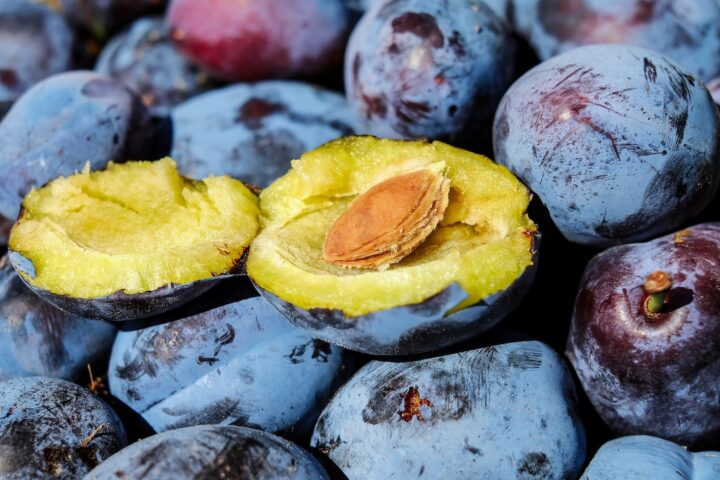
Zwetschgenernte fällt ins Wasser
In vielen Regionen der Schweiz werden dieses Jahr deutlich weniger Zwetschgen geerntet. Grund dafür sind der kalte Frühling sowie der verhagelte Sommer.

Importe retten Kartoffel-Chips
Die Kartoffelernte ist dieses Jahr eine grosse Herausforderung und die Produktion litt unter dem ungünstigen Wetter. Die Kraut- und Knollenfäule konnte sich in der ganzen Schweiz ausbreiten.
«Wirkungsmechanismen der Natur besser verstehen»
Sowohl die intensive wie auch die biologische Landwirtschaft sind auf Pflanzenschutz angewiesen. Sollen zukünftig weniger chemische Wirkstoffe eingesetzt werden, so muss das Agrarökosystem noch besser verstanden werden. Auch für neue Ansätze, wie etwa gentechnische Verfahren, sollte man offen sein.
«Landwirtschaft spielt eine tragende Rolle»
Wer im Internet nach «nachhaltige Landwirtschaft» sucht, erhält 301 000 Treffer. Einer davon ist Artikel 104 der Bundesverfassung, nach dem der Bund für «eine nachhaltige und auf den Markt ausgerichtete Produktion» sorge. Einer das Aussendepartement, das die Nachhaltigkeitsziele der Vereinten Nationen vorstellt, darunter Ziel 2: «Den Hunger beenden, Ernährungssicherheit und eine bessere Ernährung erreichen und eine nachhaltige Landwirtschaft fördern».
Offenheit für Genom-Editierung bei konkretem Nutzen
Die Bevölkerung zeigt laut einer GFS-Studie eine grosse Offenheit für die Anwendung von innovativen Technologien in der Landwirtschaft.

Auf dem Weg ins wissenschaftliche Abseits
Die Gegner der Gentechnik tun sich schwer mit wissenschaftlichen Erkenntnissen.
«Forschungs- und Werkplatz braucht Impuls»
In der laufenden Herbstsession kommt das Thema Gentechnologie einmal mehr aufs politische Tapet – am 23. September wird es im Nationalrat diskutiert. Wer glaubt, der erfolgreiche Einsatz der Technologie für die Produktion der Covid-Impfstoffe führe zu einer Entkrampfung der Diskussion, sieht sich getäuscht.
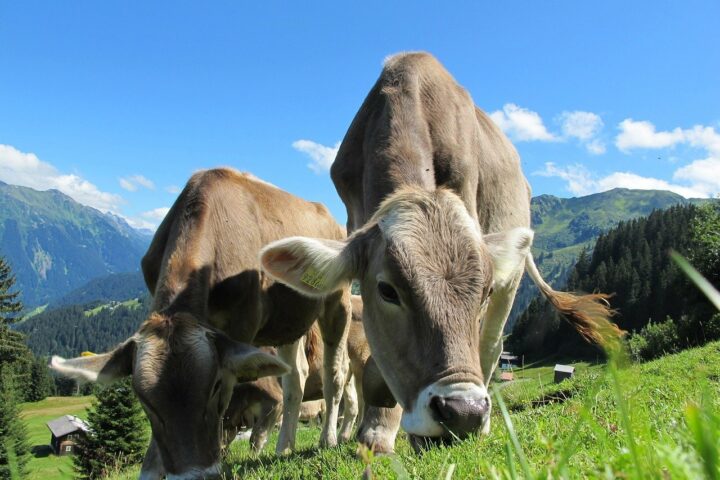
Genom-Editierung auch in der Tierzucht
Genom-Editierung spielt auch in der Tierzucht eine immer wichtigere Rolle. Zum Beispiel bei der Bekämpfung von Treibhausgasen.
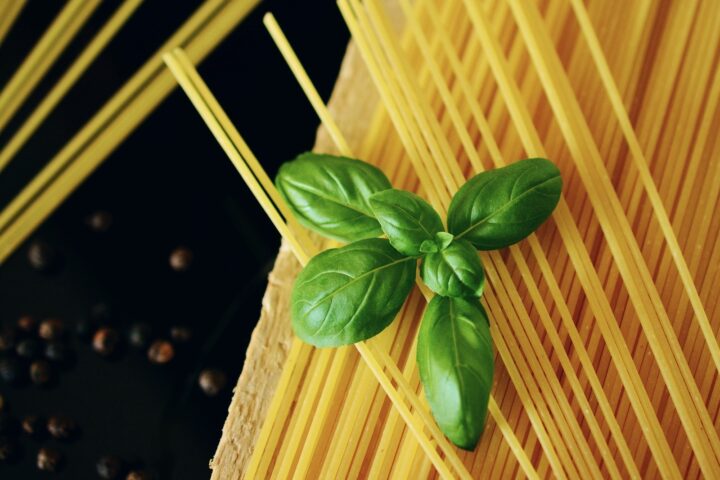
Preise für Pasta steigen
Schlechte Wetterverhältnisse führten auf der ganzen Welt zu schlechten Hartweizenerträgen. Dies hat Auswirkungen auf Produkte wie Pasta, Couscous und Bulgur: Sie kosten deutlich mehr.
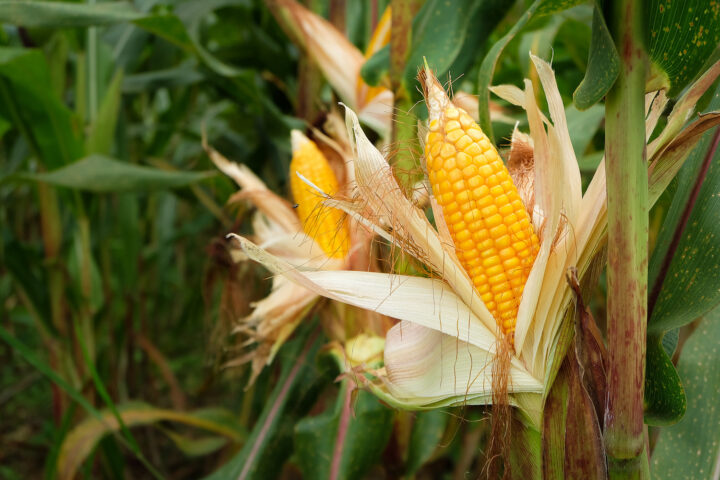
Insektenresistenter SmartStax-Mais schadet Wasserflöhen nicht
Forscher der Schweizer Forschungsanstalt Agroscope haben in detaillierten Versuchsreihen untersucht, wie sich transgene Maissorten auf das Wohlergehen von Wasserflöhen auswirken.
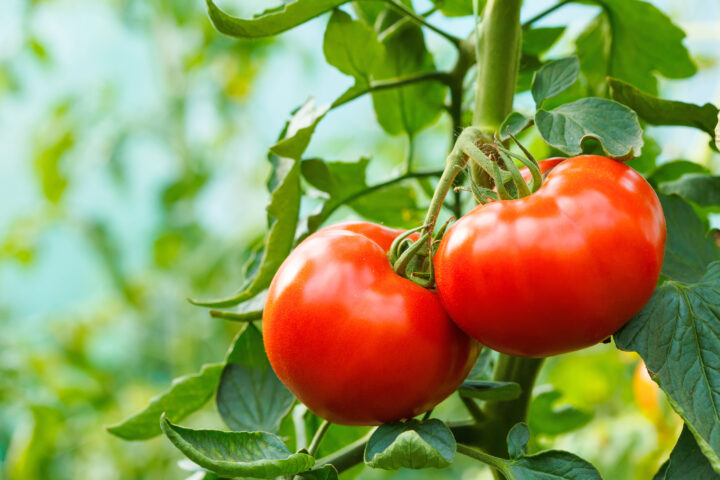
Tomaten mit hohem Aminosäuregehalt
In Japan sind seit Kurzem genomeditierte Tomaten auf dem Markt. Dabei handelt es sich um ein Novum.
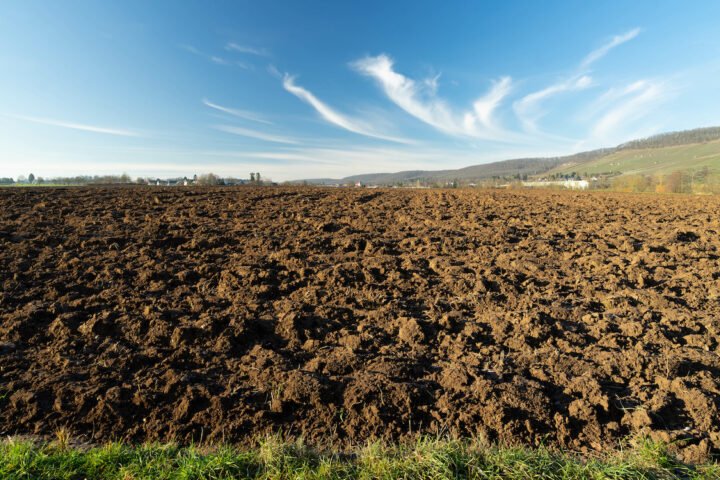
Schwermetalle belasten den Boden
Eine Untersuchung der Nationalen Bodenbeobachtung der Schweiz (NABO) zeigt die negativen Folgen für die Böden durch den Einsatz von Kupfer.
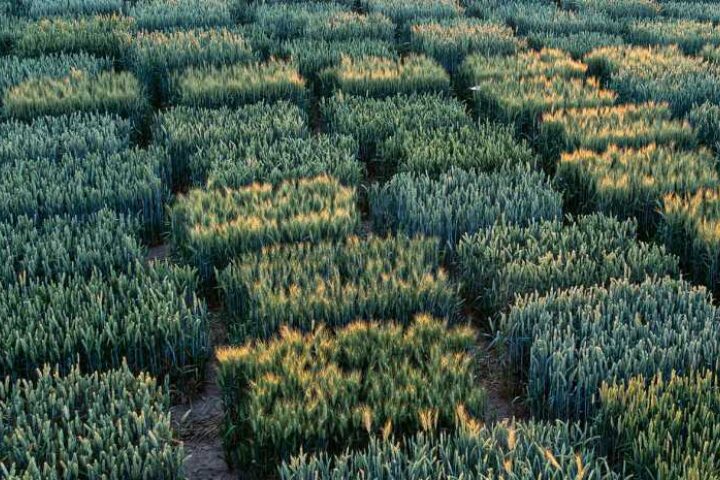
Die Natur optimieren
Der verklärte Blick auf das Natürliche trügt. Wenig von dem, was wir heute essen, ist so natürlich entstanden. «Seit 12’000 Jahren wählen Menschen Pflanzen anhand ihrer Merkmale aus, um sie essbar und ertragreicher zu machen», sagt Bruno Studer, Professor für Molekulare Pflanzenzüchtung an der ETH Zürich. Die Landwirtschaft entstand durch künstliche Selektion.
Schweizer Landwirte können ihre Kulturen nicht mehr schützen
Es herrscht eine grosse Unsicherheit. Niemand weiss, wie der Schutz der Kulturen in Zukunft noch gewährleistet werden kann.
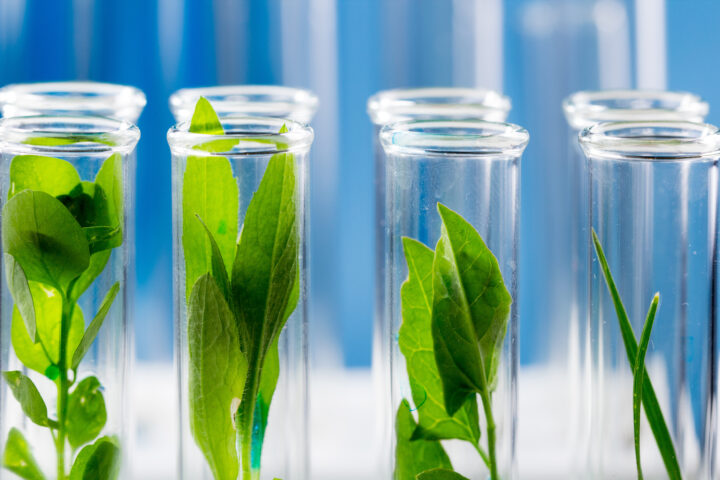
«Züchtungsforschung wird eingefroren»
Das um vier Jahre verlängerte Moratorium würde auch die Weiterentwicklung der bisher vom Gentechnikgesetz ausgenommenen Mutationszüchtung betreffen.
Enorme Ernteausfälle: Präzisionslandwirtschaft statt Importe
Das Wetter hat dieses Jahr verrückt gespielt. Frost, Hagel und Hochwasser haben der Landwirtschaft stark zugesetzt. Erntequalität und -menge haben bei diversen Kulturen gelitten.
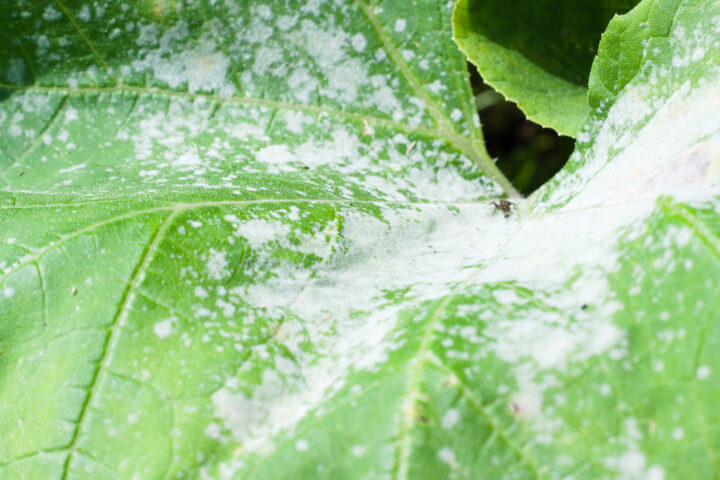
Ohne Pestizide ein Hungerjahr
Just in dem Jahr, in dem über das Verbot von Pestiziden in der Schweiz abgestimmt wurde, sah sich die hiesige Landwirtschaft mit äusserst schwierigen Witterungsbedingungen konfrontiert.
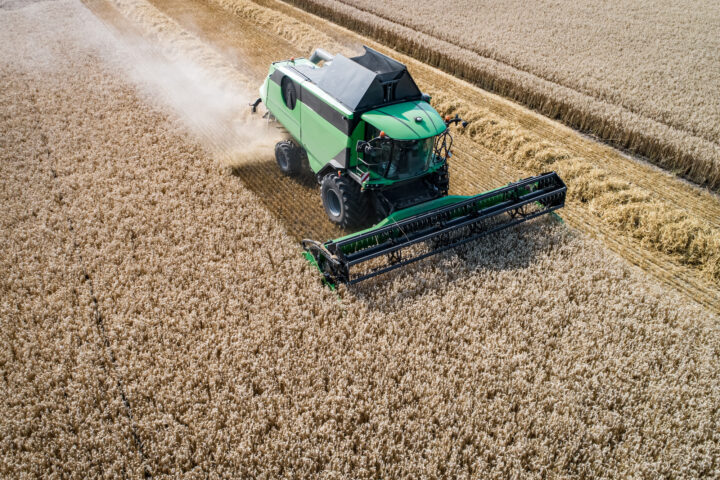
Produktive Landwirtschaft für Klima und Biodiversität
Die Ansicht, dass Bio gut fürs Klima ist und die Biodiversität fördert, ist weit verbreitet. Doch sie erweist sich je länger je mehr als falsch.
FAO: Lebensmittelpreise auf 10-Jahres-Hoch
Im September waren die Preise für Lebensmittel gemäss FAO so hoch wie seit zehn Jahren nicht mehr. Preislich besonders zugelegt haben Getreide und Pflanzenöle.
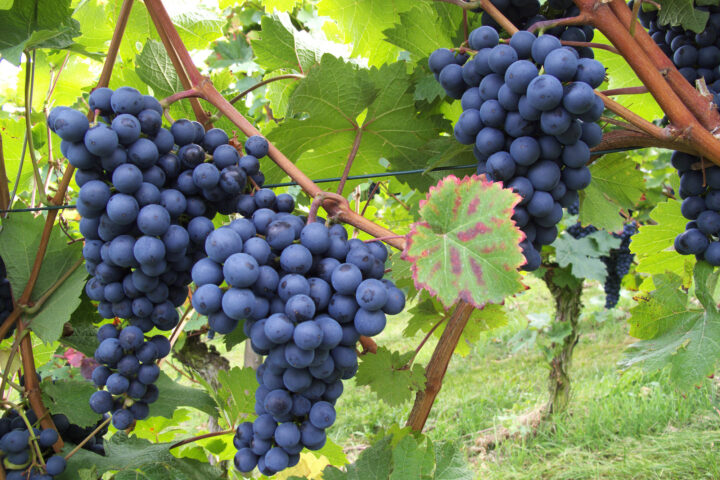
Viel Mühe und kein Lohn
Winzerinnen und Winzer mussten dieses Jahr besonders viel Arbeit in den Pflanzenschutz und die Laubarbeit investieren. Gleichzeitig bleibt der Lohn aus.
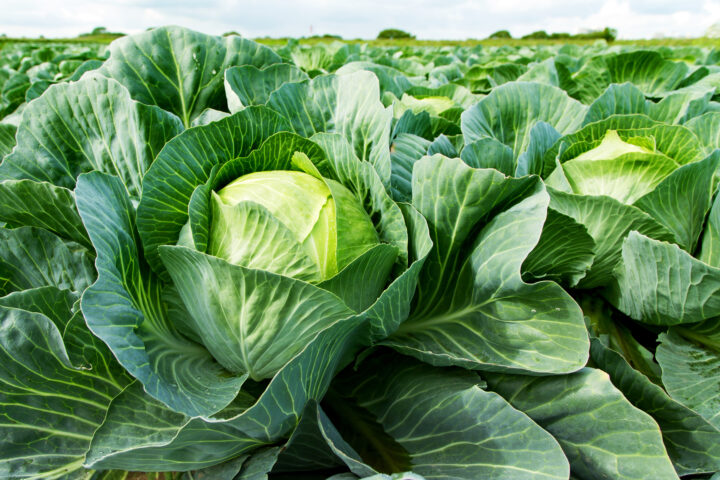
Zu wenig Chabis für Sauerkraut
Nach Hagel und Nässe fehlt den Sauerkraut-Herstellern der einheimische Weisskohl. Einzelne Produzenten sprechen von Ausfällen zwischen 35 und 40 Prozent.
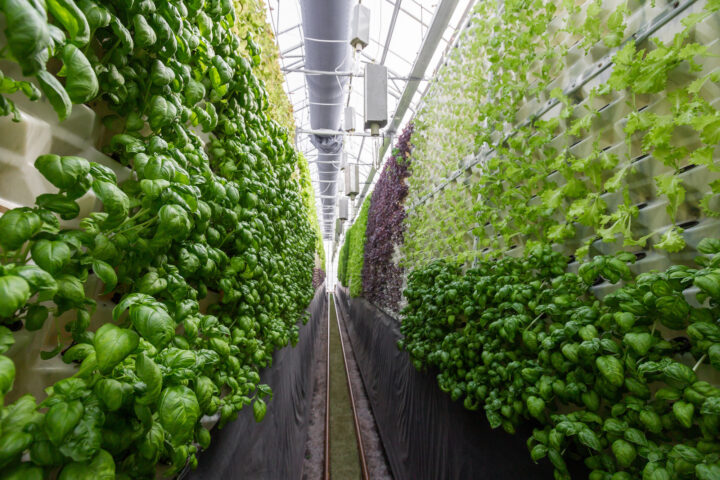
Chancen für Startups im Bereich der Agrar- und Ernährungswirtschaft
Es gibt aus technologischer Sicht keinen Grund, warum die Schweiz im Bereich Agri-Food-Tech den derzeitigen Hotspots wie Singapur oder Israel hinterherhinken muss. Ernährung ist vor allem auch eine Frage der Innovationsfähigkeit.
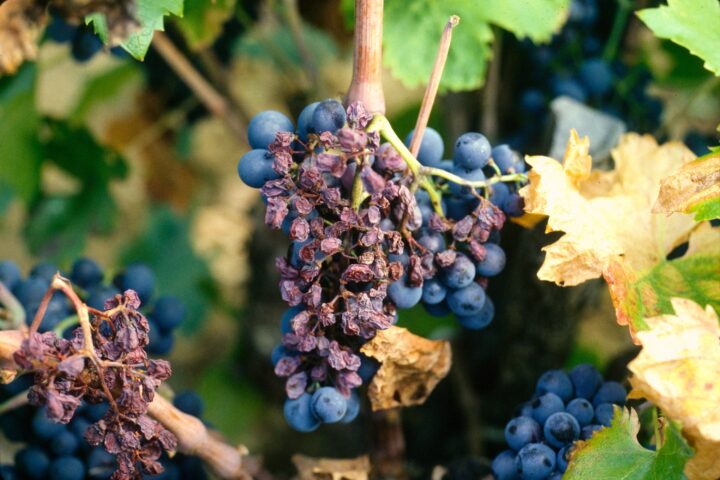
Kanton Zürich: Bis zu 90 Prozent weniger Weintrauben
Der nasse Sommer hatte katastrophale Auswirkungen auf die Weinernte. Es herrschten ideale Bedingungen für Mehltau und andere Schädlinge. Biowinzer mussten zum Schutz ihrer Reben auf Pflanzenschutzmittel aus der konventionellen Landwirtschaft zurückgreifen.
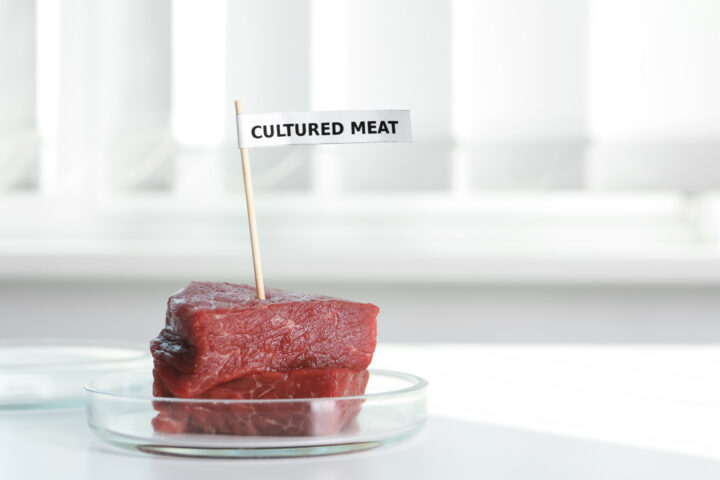
Ein Innovations-Hub für kultiviertes Fleisch
Migros, Bühler und Givaudan gründen einen Innovationshub für kultiviertes Fleisch. In einer Pilotanlage in Kemptthal (ZH) wird die Entwicklung und Vermarktung von Fleisch «aus dem Labor» vorangetrieben.
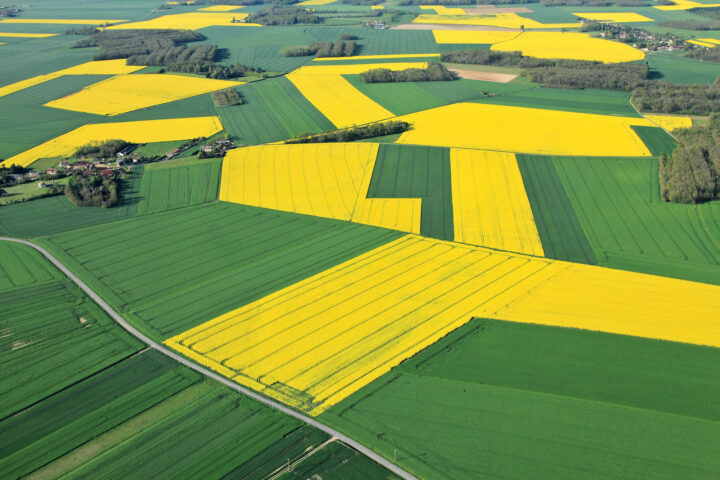
«Zusätzlich die eineinhalbfache Fläche der EU»
Die Weltbevölkerung wird bis 2050 auf ungefähr zehn Milliarden Menschen anwachsen. Für Urs Niggli ist deshalb klar: Wir müssen bestehende Flächen produktiver nutzen. Dazu gehört auch der Einsatz der Genom-Editierung.
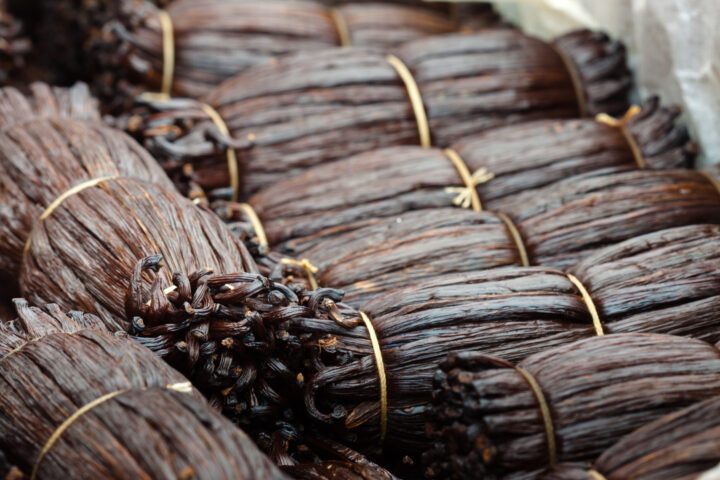
Vanillearoma aus Kunststoffabfall
Forschenden aus Schottland ist es gelungen, mithilfe von Bakterien Vanillin aus Plastikabfällen zu gewinnen. Damit ergibt sich die Möglichkeit, Kunststoffabfälle zu einem weltweit gefragten Produkt umzuwandeln. Davon profitieren sowohl Umwelt als auch Lebensmittelhersteller.
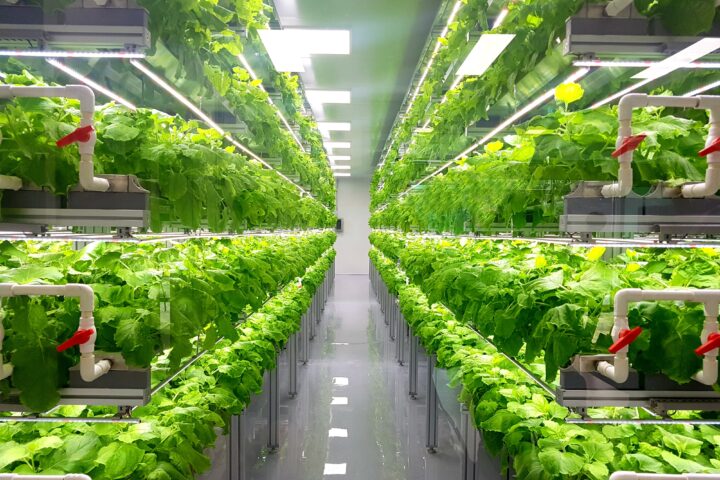
«Vertical Farming» für Stadtbevölkerung?
Es gibt Möglichkeiten, wie Städte in Zukunft mehr zur Nahrungsmittelproduktion beitragen können. Eine davon ist «Vertical Farming».
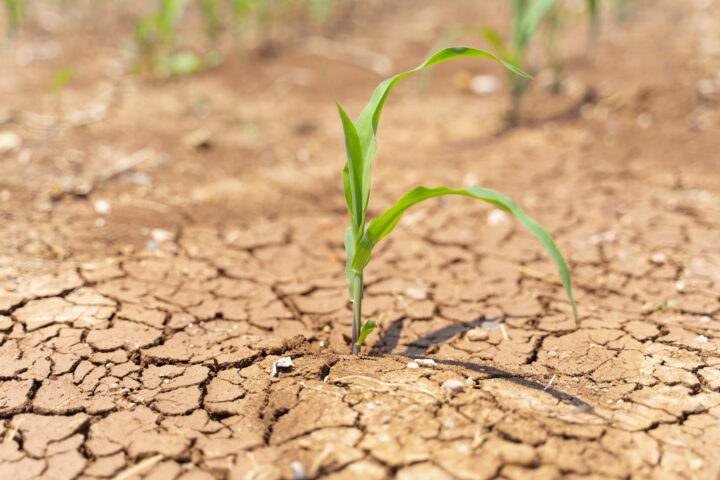
Dürretoleranter Mais als Reaktion auf Klimawandel
Der Klimawandel stellt die Landwirtschaft vor zunehmende Herausforderungen. Mit Hochdruck arbeitet die Pflanzenzüchtung deshalb an der Entwicklung von Sorten mit besserer Widerstandsfähigkeit gegen Umweltstress.
«Wer hat Angst vor den bösen GVO?»
Modernes Genome Editing ist kein Teufelszeug, sondern die logische Fortsetzung der Mutation und Mutagenese in der Pflanzenzucht. Pflanzengenetiker verändern das Erbgut mit der «Genschere» CRISPR/Cas so präzise, dass man auch von «Gen-Chirurgie» spricht.

Der Regen, die Reben und die Räuber
2021 war für viele Winzer ein Jahr zum Vergessen. Ohne Pflanzenschutz dürfte es für die Produktion von Wein in der Schweiz schwierig werden.
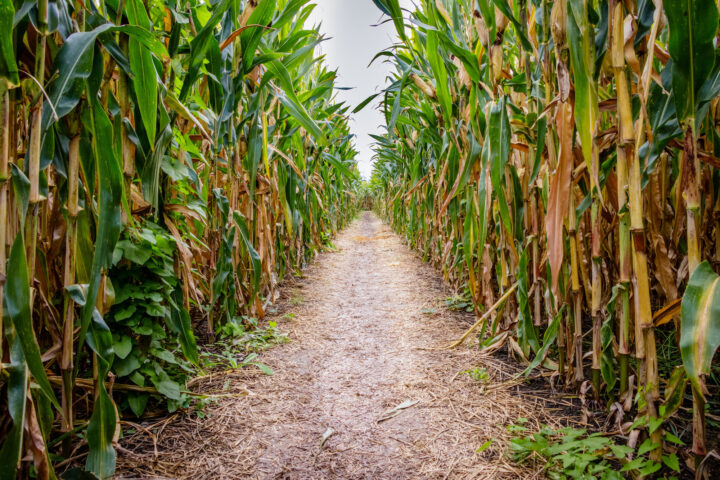
Klimawandel: niedrigere Ernten bereits ab 2030?
Der Klimawandel wirkt sich auf die Qualität und Quantität von Ernten aus. Gemäss einer kürzlich veröffentlichten Studie drohen bereits ab Mitte der 2030er Jahre deutlich niedrigere Maisernten.
Die Versuchung des Populären
Neue Technologien sind der Schlüssel, um das Problem zu minimieren. Doch einzelne Experten tun sich schwer, Innovationen als Lösung beim Klimawandel anzuerkennen.

Der Fortschritt ist längst da – nutzt ihn die Schweiz?
Der Schweiz droht die Selbstverzwergung. An allen Ecken und Enden scheint man sich gegen Innovation und Fortschritt zu stemmen. Dabei wäre die Schweiz blendend aufgestellt, um vom sich laut ankündigenden grossen Innovationsschub profitieren zu können, schreibt die «NZZ».
Bio-dynamische Landwirtschaft
Die Bio-dynamische Landwirtschaft ist gemäss Eigendefinition eine umfassend ganzheitliche biologische Anbauweise ohne Kunstdünger und chemisch-synthetische Pestizide. Grundlage der sich laufend entwickelnden Methode bildet der «Landwirtschaftliche Kurs» von Rudolf Steiner in Koberwitz im Jahr 1924. Es geht im Kern darum, «Leben» in seiner Vielfalt zu begreifen und ganzheitlich zu fördern.
Bio-Pestizide
Auch die biologische Landwirtschaft ist auf den Einsatz von Pestiziden (Pflanzenschutzmittel und Biozide) angewiesen. Mehr als 40 % der in der Schweiz verkauften Pestizide sind für den Bio-Landbau zugelassen. Unter den zehn meistverkauften Pflanzenschutzmitteln in der Schweiz befinden sich vier Bio-Pestizide. Viele von Bio-Bauern eingesetzte Pflanzenschutzmittel sind nicht direkt natürlichen Ursprungs. So werden sämtliche im Bio-Landbau eingesetzten Kupfersalze synthetisch hergestellt.
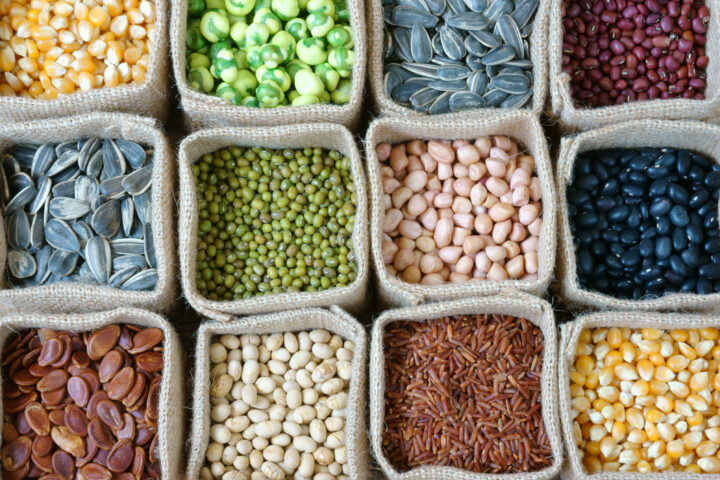
Bauern brauchen Zugang zu verbessertem Saatgut
Gemäss FAO brauchen Landwirte auf der ganzen Welt besseren Zugang zu optimiertem Saatgut. Nur so liessen sich bis zum Jahr 2050 zehn Milliarden Menschen ernähren.
«Moderne Pestizide können zur Bekämpfung des Klimawandels beitragen»
Experten gehen davon aus, dass wir bis zum Jahr 2050 um 70 Prozent mehr Nahrungsmittel anbauen müssen, um die 10 Milliarden Menschen zu ernähren, die unseren Planeten bis dahin bevölkern werden. Viele politische Entscheidungsträger scheinen jedoch davon auszugehen, dass die Agrarindustrie das ausserordentlich komplexe Problem einer gesunden, reichhaltigen und sicheren Nahrungsmittelversorgung bereits weitgehend gelöst hat.
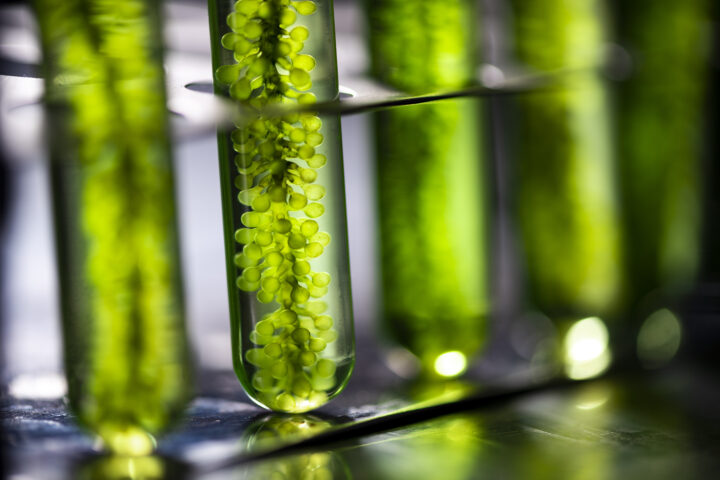
Nachhaltige Ernährung mit Algen
Die grösste Herausforderung der gegenwärtigen Landwirtschaft ist die Produktion von gesunden Lebensmitteln, die den Planeten nicht übermässig beanspruchen. Algen könnten dereinst ein wichtiges Puzzleteil in der Lebensmittelproduktion darstellen.
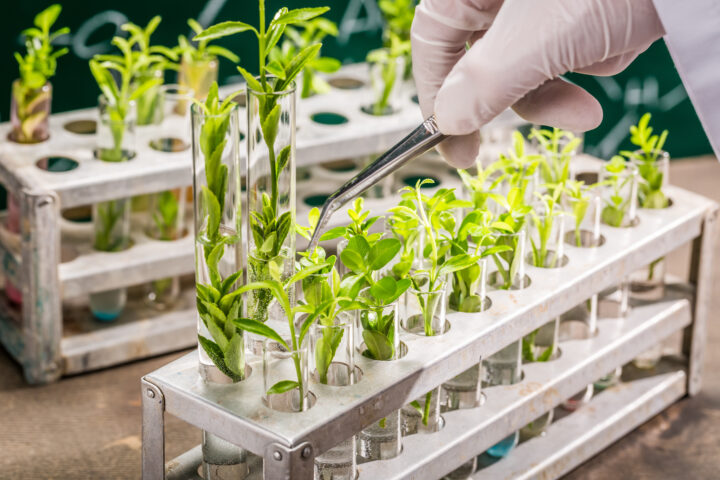
Braucht die Welt überhaupt genomeditierte Pflanzen?
Diese Frage wird gerne von den Gegnern der modernen Züchtungsmethoden ins Feld geführt. Wie fast immer gilt: Der Markt gibt die Antwort. Und hier sieht es ziemlich eindeutig aus.
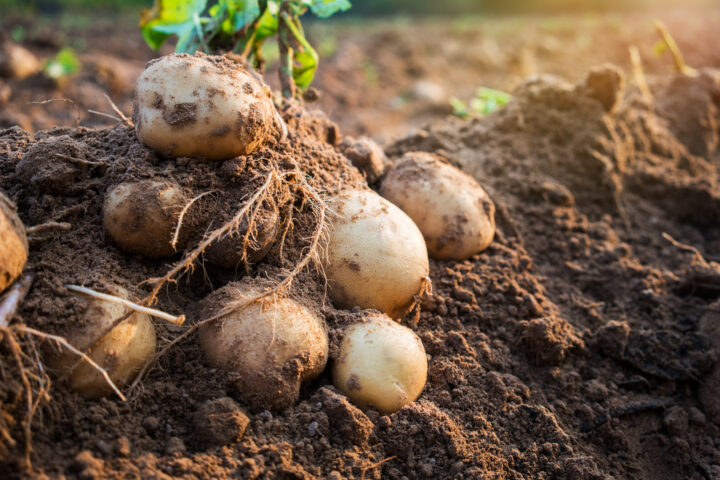
Bewährte Sorten stärken
Der nasskalte Sommer führte auf Schweizer Kartoffeläckern zu massiven Ernteverlusten. Die Kraut- und Knollenfäule schlug mit voller Wucht zu. Daraus lassen sich für die Zukunft zwei Lehren ziehen. Erstens sind Pflanzenschutzmittel nach wie vor unverzichtbar. Zweitens müssen bewährte Sorten mit Resistenzen gezüchtet werden.
«Differenzierte Regelung für Genom-Editierung ist zu begrüssen»
Der Bundesrat und der Nationalrat wollen die neuen Züchtungsmethoden unter das bestehende Gentech-Moratorium stellen. Nun hat sich eine Mehrheit der WBK-S entschieden, dass der Anbau von genomeditierten Pflanzen unter Auflagen erlaubt werden soll. Wir haben über den Entscheid mit Jan Lucht, Experte für Biotechnologie von scienceindustries, gesprochen.
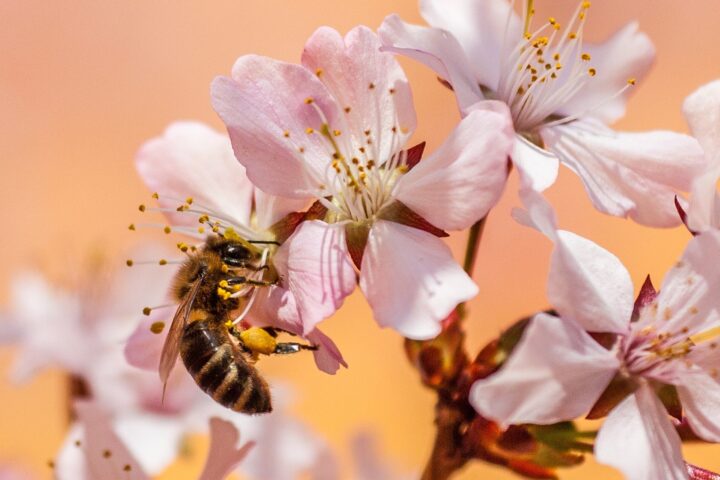
Mehr Honigbienen in Europa
Immer wieder werden Pestizide sehr pauschal für eine Abnahme bei den Bienenvölkern verantwortlich gemacht. Doch die Ursachen für Verluste an Biodiversität sind komplexer. Sie können nicht auf einen einzelnen Faktor zurückgeführt werden. Die Zahlen zeigen sogar: In Europa nimmt die Anzahl an Honigbienenvölkern zu.
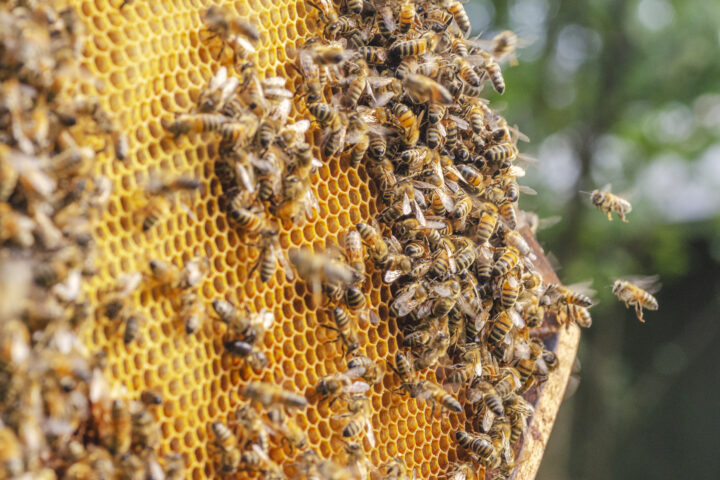
Honigbienen sterben nicht aus
Seit rund 15 Jahren hält sich die Geschichte vom angeblichen Bienensterben hartnäckig in den Medien. Als Gründe werden oft Pestizide und gentechnisch veränderte Pflanzen genannt. Doch die Hinweise verdichten sich, dass die Population der Honigbienen weltweit konstant bleibt oder sogar wächst.
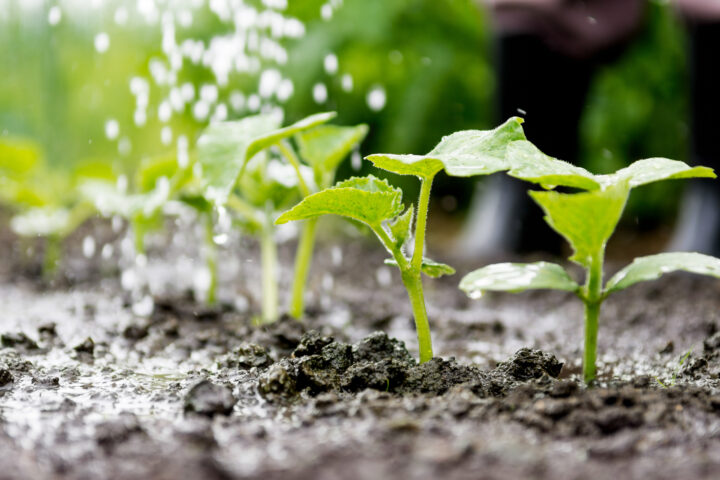
Wasser wird immer knapper
Durch den voranschreitenden Klimawandel dürften die Wasservorräte nicht nur auf der Südhalbkugel, sondern auch in unseren Breitengraden knapper werden. Eine sorgfältige Planung neuer Bewässerungstechniken ist für Landwirte deshalb unumgänglich.
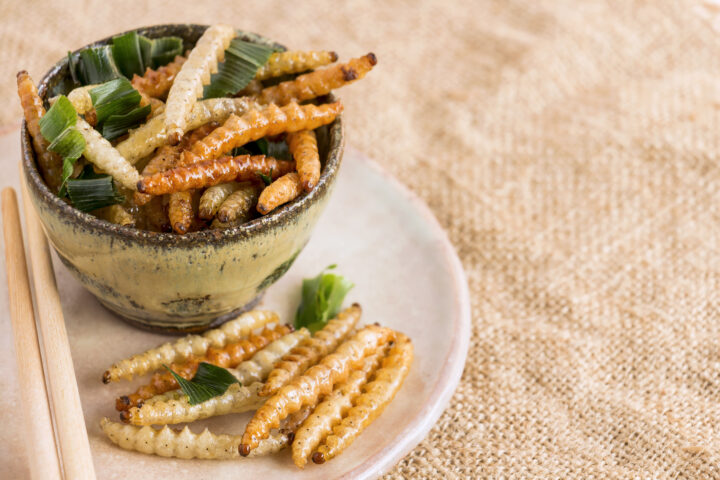
Insekten: Die Proteinquelle von morgen?
Insekten gelten schon seit Längerem als Super Food der Zukunft. Sie sind reich an Proteinen, benötigen weniger Land und Wasser, und haben eine bessere CO2-Bilanz als herkömmliches Fleisch.
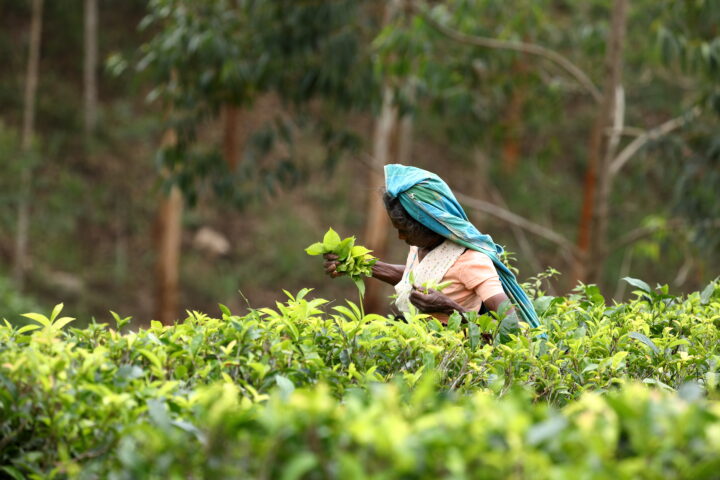
Es ist nicht alles Gold, was als «pestizidfrei» glänzt
Inspiriert von indischen Aktivisten hatte sich auch Sri Lanka auf den «Pestizidfrei-Pfad» begeben, diesen jedoch nach nur sechs Monaten mit Ernte- und Qualitätsverlusten und Preisverdoppelung bei den Grundnahrungsmitteln im November 2021 wieder aufgegeben.
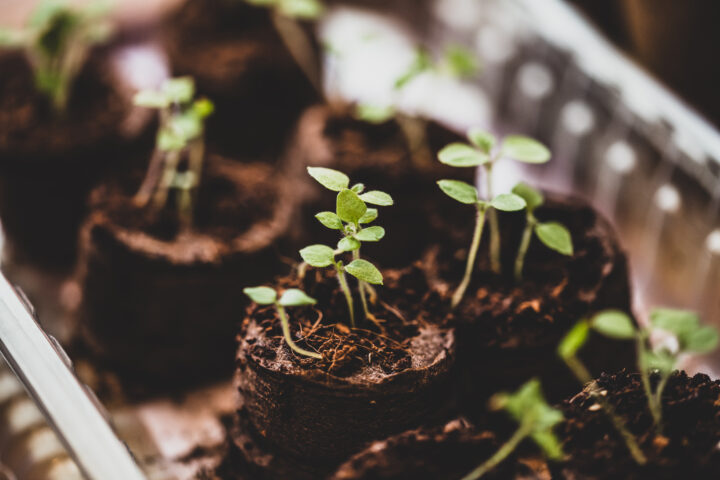
Breite Allianz für moderne Züchtungsmethoden
Die Signalwirkung könnte nicht grösser sein. Die Labelorganisation IP-Suisse, die Obst-, Gemüse- und die Kartoffelproduzenten, die Agrargenossenschaft Fenaco, die grossen Detailhändler Coop und Migros sowie das Konsumentenforum haben sich unlängst unter dem Namen «Sorten für morgen» zusammengeschlossen.
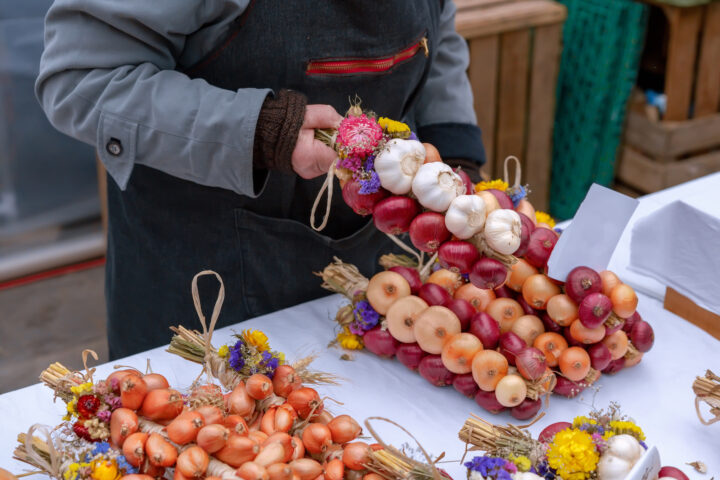
«Zibelemärit» – Nur in diesem Jahr weniger Zwiebeln?
In der Stadt Bern fand der traditionelle «Zibelemärit» nach einem Jahr Coronapause wieder statt. Doch im Vergleich zu früheren Jahren hatte es deutlich weniger Marktstände. Grund dafür sind Unwetter und der nasse Sommer. Zwiebelzöpfe sind Mangelware. Zum Leidwesen von Bauern und Standbetreibern.
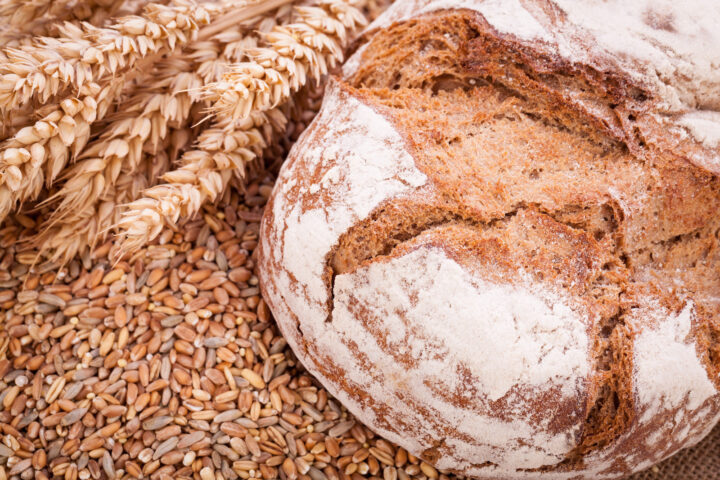
Schweizer Brot ohne Schweizer Getreide?
Aufgrund des ausserordentlich nassen Sommers fällt auch die Brotgetreideernte 2021 mager aus. Sowohl Menge als auch Qualität des Brotweizens haben stark gelitten. Zur Sicherstellung des Brotangebots mussten beim Bund Zollkontingente beantragt werden. Mehr Importe sind nötig.
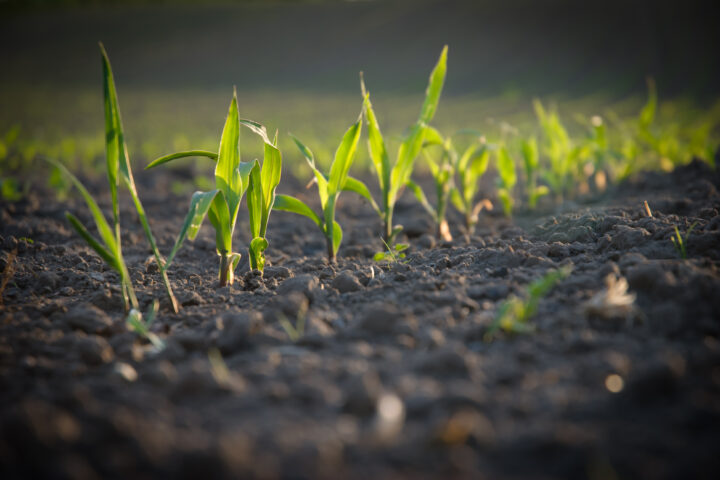
Erster Schritt aus der Gentech-Blockade
Der Ständerat spricht sich für eine Lockerung des Gentech-Moratoriums aus. Zwar hat er eine Verlängerung um weitere vier Jahre beschlossen. Gleichzeitig gibt es eine Ausnahme: Gentechnisch veränderte Organismen, denen kein artfremdes Erbgut eingefügt wurde, sind vom Moratorium ausgenommen.
Moins de produits phytosanitaires en 2020, probablement plus en 2021
Les chiffres de la Confédération concernant les ventes de produits phytosanitaires en 2020 dressent un état des lieux contradictoire. Les ventes totales de produits phytosanitaires ont diminué. En 2020, 1930 tonnes s’en sont vendues en Suisse. Par contre, le recours aux produits autorisés en agriculture biologique a augmenté. Or, certains de ces produits peuvent présenter des risques considérables.
La maigre récolte de pommes de terre 2021 entraîne des importations
Le bilan de la récolte de pommes de terre 2021 est mauvais. Le temps exécrable a mis à mal les tubercules et a entraîné des pertes de récolte et de qualité parfois importantes. Cela se répercute également sur la production de chips et de frites. En outre, les importations de pommes de terre sont plus nombreuses.
Le gaspillage alimentaire n’est bon ni pour l’environnement, ni pour le portemonnaie
Chaque année en Suisse, des quantités considérables de produits alimentaires, pourtant encore parfaitement propres à la consommation, sont perdues le long de la chaîne alimentaire allant du producteur au consommateur.
La fine, mais subtile différence dans la tasse et sur l’assiette
Un meilleur café, des aliments de base plus digestes et qui se conservent plus longtemps: grâce aux méthodes de la biotechnologie moderne, nos habitudes de consommation vont durablement se modifier.
On ne peut pas se passer d'aliments sains et de qualité provenant de Suisse
Lors du Swiss-Food-Talk, trois spécialistes reconnues dans le secteur ont répondu aux questions actuelles concernant une alimentation saine et durable. Et elles ont lancé un appel au bon sens.
Agriculture de précision : concilier performance agricole et respect de l’environnement
Comme le montre une étude américaine, l’agriculture de précision non seulement augmente les rendements d’une parcelle, mais elle sert également l’environnement. La durabilité de l’agriculture s’accroît.
De l’espoir pour la protection des espèces
Des chercheurs veulent décoder le matériel génétique de toutes les espèces connues en Europe. Le décryptage et l’archivage des génomes pourraient aider à identifier à un stade précoce les espèces animales et végétales menacées et à engager des mesures.
Défis et chances d’une agriculture durable
L'agriculture de demain doit produire plus efficacement. Tout en protégeant le climat et la biodiversité. Lors du Swiss-Food Talk, trois experts indépendants reconnus se sont exprimés sur les défis et les opportunités d'une agriculture durable de demain.
Inhalt auf Deutsch
La gestion des risques est préférable à la paralysie
L’Europe n’est pas fortiche en gestion des risques. Au lieu de mettre en balance les avantages et les risques des nouvelles technologies, elle s’en tient par réflexe au principe de précaution.
Initiatives agricoles: le contre-projet déborde
Pour réduire le risque de l’utilisation de pesticides, la Commission de l’économie et des redevances du Conseil des États avait déposé une initiative parlementaire servant de contre-projet inofficiel aux deux initiatives agricoles extrêmes.
Renoncer au colza suisse?
Le colza est la principale plante oléagineuse de Suisse, et son importance ne cesse d’augmenter. L’huile qui en est tirée remplace de plus en plus souvent l’huile de palme, importée et impopulaire.
Ne pas étouffer la recherche et l’innovation
5G, vaccin contre le coronavirus, génie génétique: les résistances face aux nouvelles technologies semblent avoir le vent en poupe ces temps-ci.
La politique d’empêchement du Conseil fédéral nuit à la Suisse
Fin juin, le Conseil fédéral a publié son message concernant la modification de la loi sur le génie génétique.
La protection phytosanitaire moderne, une affaire de plus en plus complexe
Pendant longtemps, la recherche sur les produits phytosanitaires n’avait qu’un objectif: protéger les cultures contre les ravageurs afin de maximiser les rendements.
Des vies sauves grâce au riz doré
L’Organisation mondiale de la santé (OMS) estime que jusqu’à 500 000 enfants dans le monde perdent la vue chaque année en raison d’une carence en vitamine A.
Tomate: de la «bombe à eau» au fruit aromatique
Jamais encore le choix de variétés de tomates n’avait été aussi vaste.
Risques pour la sécurité alimentaire en Suisse
Malgré la pandémie de Covid-19, la sécurité alimentaire en Suisse a toujours été garantie. Mais ne nous laissons pas bercer par un faux sentiment de sécurité.
CRISPR/Cas9 pour lutter contre le mildiou
La méthode Crispr/Cas, récompensée par un prix Nobel, permet désormais la culture de variétés résistantes et pourrait ainsi réduire l’utilisation de pesticides dans l’agriculture.
Les scarabées japonais sont à signaler immédiatement!
Le scarabée japonais menace de se propager en Suisse. Ce ravageur redoutable, arrivé en Suisse il y a quatre ans, a été observé pour la première fois au Tessin.
Enthousiasme des étudiants pour la biotechnologie
La biotechnologie suscite l’enthousiasme. Sous l’effet de la pandémie de Covid-19, elle bénéficie d’un intérêt grandissant auprès du grand public.
En attendant les abricots résistants
En temps normal, les premiers abricots du Valais arrivent sur les étals en plein été. Cette année, il en ira différemment. Les nuits glaciales d’avril ont détruit la quasi-totalité des récoltes.
«D’un coup, les frontières se ferment»
Les deux initiatives agricoles nous ont obligés à nous interroger sur la sécurité alimentaire en Suisse. Voulons-nous produire toujours moins de denrées alimentaires dans le pays et, par ricochet, stimuler les importations?
«Il n’y a pas de sécurité alimentaire sans une vraie production suisse»
Lorsque des champs cultivés sont inondées, qu’il n’est pas possible de récolter ou d’ensemencer, le thème de la sécurité alimentaire devient d’actualité. Et il le devient plus encore lorsque nous parviennent des nouvelles d’incendies hors de contrôle, de sécheresses et d’inondations meurtrières dignes d’un film catastrophe. Car en temps normal, il se passe ceci: tout ce qui n’est pas disponible en Suisse, car non produit en Suisse ou en quantités insuffisantes seulement, est importé.
«Surmonter le fossé ville-campagne avec une politique agricole constructive»
Oui, effectivement, il existe en Suisse un fossé ville-campagne: trois quarts des Suisses vivent dans les villes-centres et leurs 49 agglomérations. Ils ont en grande partie perdu le contact avec la population de la campagne, et plus encore, avec l’agriculture.
«Nous protégeons ce que nous exploitons»
Or, la nature est en perpétuelle évolution. Et l’être humain a toujours façonné la nature. C’est grâce aux travaux de déboisement de nos ancêtres pour l’agriculture que nos nombreuses prairies d’alpage et leur riche biodiversité sont apparues.
Les prix des fruits augmentent
Les gelées de printemps et les intempéries des dernières semaines ont entraîné des pertes de récolte parfois considérables chez les agriculteurs européens.
La faim dans le monde s’aggrave
En 2020, les difficultés d’accès à la nourriture ont considérablement augmenté dans maintes régions du monde. Selon un rapport de l’œuvre d’entraide internationale Oxfam, 520 000 personnes étaient dans une situation de famine.
La sacralisation du génome est dépassée
La Suisse n’est pas près de s’ouvrir aux OGM. Il y a peu, le Conseil fédéral a pris position pour prolonger de quatre ans l’actuel moratoire sur le génie génétique.
Les pluies incessantes anéantissent les récoltes
Les pluies incessantes mettent l’agriculture en danger. Sous l’effet d’une météo fraîche et humide, la maturation de nombreuses cultures peine à se faire et la qualité de la récolte diminue.
Sans les substances de synthèse, le vignoble serait perdu
Les précipitations des dernières semaines favorisent la propagation du mildiou. Cette maladie fongique est l’un des ennemis les plus redoutés des viticulteurs.
La Grande-Bretagne veut assouplir la réglementation sur les cultures OGM
Le gouvernement britannique planche sur un projet de libéralisation des biotechnologies. Il prévoit d’autoriser la culture et la commercialisation des plantes OGM.
L’Australie reconnaît l’utilité de la biotechnologie verte
L’État australien de Nouvelles-Galles du Sud lève son moratoire sur les cultures OGM. Le génie génétique vert est déclaré sûr pour l’être humain et l’environnement.
Les ciseaux moléculaires pour la sélection de nouvelles variétés de pomme
Dans l’arboriculture fruitière, les ravageurs et les maladies phytosanitaires causent beaucoup de soucis aux producteurs. Dans la pomiculture, en particulier, la sélection de variétés résistantes est essentielle.
Les moratoires portent également atteinte à la carrière des chercheurs
Les chercheurs perdent l'accès à « Horizon Europe ». Le rétablir est une priorité absolue. Mais la Suisse a aussi la possibilité de rendre possible de nouveaux champs de recherche attrayants au lieu de les bloquer.
Blé déclassé, fruits abîmés
Cet été, à cause du mauvais temps, certaines cultures n’ont donné que de maigres récoltes. Le blé est particulièrement concerné.
Plus de bio ne signifie pas plus de biodiversité
Selon une opinion largement répandue, promouvoir l’agriculture bio aurait un impact positif sur la diversité des espèces. Mais c’est faux. Certes, il y a plus d’espèces sur les surfaces bio.
Réduction du CO2 avec un engrais artificiel alternatif
Les deux producteurs de produits agrochimiques Bayer et Syngenta investissent dans une start-up américaine dont la technologie permet de réduire massivement l'utilisation d'engrais azotés.
Inhalt auf Deutsch
«Mieux comprendre les mécanismes d'action de la nature»
L'agriculture intensive et l'agriculture biologique sont toutes deux tributaires de la protection des plantes. Si l'on veut utiliser moins d'agents chimiques à l'avenir, il faut encore mieux comprendre l'agroécosystème. Il convient également d'être ouvert à de nouvelles approches, telles que les techniques de génie génétique.
Inhalt auf Deutsch
«L’agriculture joue un rôle de pilier»
Si l’on tape «agriculture durable» dans Internet, on obtient 301 000 résultats. L’un d’eux est l’art. 104 de la Constitution fédérale, qui dit que la Confédération veille à «une production répondant à la fois aux exigences du développement durable et à celles du marché». Un autre est le Département fédéral des affaires étrangères, qui cite le deuxième objectif des Objectifs de développement durable des Nations Unies: «Éliminer la faim, assurer la sécurité alimentaire, améliorer la nutrition et promouvoir l’agriculture durable».
Ouverture à l’édition génomique en cas d’utilité concrète
La population se montre très ouverte à l’utilisation des technologies innovantes dans l’agriculture. Y compris aux sélections ciblées de l’édition génomique.
Sur la voie de la marginalisation scientifique
Les opposants au génie génétique ont du mal à accepter les découvertes scientifiques.
Quand même le cuivre ne fait plus effet
L’été froid et humide que nous venons de connaître entraîne des pertes de rendement allant jusqu’à 80 pour cent dans la culture des pommes de terre. L’agriculture biologique est particulièrement touchée.
«La place de la recherche et de l'industrie a besoin d'une impulsion»
Lors de la session d'automne en cours, le thème du génie génétique revient une fois de plus sur le devant de la scène politique - le 23 septembre, il sera discuté au Conseil national. Ceux qui pensent que l'utilisation réussie de cette technologie pour la production des vaccins Covid permettra de dépassionner le débat se trompent.
Inhalt auf Deutsch
L’édition génomique aussi dans la sélection animale
Plus de 800 experts en sciences animales étaient présents à Davos lors du dernier congrès annuel de la Fédération européenne des sciences animales (EAAP) pour discuter des défis et des solutions dans l’élevage et la garde d’animaux.
Le prix des pâtes à la hausse
Dans le monde entier, les mauvaises conditions météorologiques ont été préjudiciables aux récoltes de blé dur. Conséquence, des prix en nette hausse pour des produits comme les pâtes, le couscous et le boulghour.
Le maïs SmartStax résistant aux insectes ne nuit pas aux puces d'eau
Des chercheurs de la station de recherche suisse Agroscope ont étudié, dans le cadre de séries d'essais détaillées, les effets des variétés de maïs transgénique sur le bien-être des puces d'eau.
Tomates à haute teneur en acides aminés
Des tomates génétiquement modifiées ont été récemment commercialisées au Japon. Il s’agit d’une nouveauté.
Les métaux lourds polluent les sols
Le cuivre est souvent pulvérisé en Suisse bien qu’étant fabriqué synthétiquement, mais autorisé comme fongicide «naturel» même dans l’agriculture biologique, et du fait que des alternatives synthétiques meilleures soient interdites ou empêchées dans tous les types de culture.
Optimiser la nature
La vision idéalisée de la nature est trompeuse. Peu de ce que nous mangeons aujourd'hui est d'origine naturelle. «Depuis 12 000 ans, les hommes sélectionnent les plantes en fonction de leurs caractéristiques afin de les rendre comestibles et plus productives», explique Bruno Studer, professeur de sélection végétale moléculaire à l'ETH Zurich. L'agriculture est née de la sélection artificielle.
Les agriculteurs suisses ne peuvent plus protéger leurs cultures
Des produits phytosanitaires plus écologiques sont bloqués dans les procédures d’homologation. Les associations de branche demandent que les principes actifs autorisés dans l’UE le soient aussi en Suisse.
Sans les pesticides, une année de vache maigre
L’année même où le peuple suisse a voté sur l’interdiction des pesticides en Suisse, l’agriculture s’est vue confronter à des conditions météorologiques extrêmement difficiles.
Une agriculture productive pour le climat et la biodiversité
Beaucoup croient que le bio est bon pour le climat et qu’il favorise la biodiversité. Cette croyance s’avère de plus en plus fausse. L’agriculture bio a besoin de plus de terres, qui ne sont dès lors plus disponibles pour piéger les gaz à effet de serre.
Opportunités pour les start-up dans le secteur agroalimentaire
D'un point de vue technologique, rien ne justifie que la Suisse soit à la traîne derrière les pôles d'excellence actuels tels que Singapour ou Israël dans le domaine des technologies agroalimentaires. L'alimentation est avant tout une question de capacité d'innovation.
Canton de Zurich: jusqu’à 90% de raisin en moins
Les pluies de l’été ont eu des conséquences catastrophiques sur le vignoble. Elles ont créé des conditions idéales à la propagation du mildiou et d’autres parasites. Dans le canton de Zurich, la récolte de raisin est deux fois plus faible que d’habitude.
Un hub d’innovation pour la viande de culture
Migros, Bühler et Givaudan créent un hub d’innovation pour la viande de culture. Un site pilote situé à Kemptthal (ZH) travaille au développement et à la commercialisation de «viande de laboratoire».
«Une fois et demie la superficie de l’UE»
En 2050, la Terre comptera environ dix milliards d’habitants. Pour Urs Niggli, une chose est donc claire: nous devons utiliser les terres existantes de manière plus productive. Cela implique également le recours à l’édition du génome.
Un arôme de vanille obtenu à partir de déchets plastiques
Des chercheurs écossais ont réussi à extraire de la vanilline de déchets plastiques à l’aide de bactéries. Cette découverte permettrait de transformer les déchets plastiques en un produit à forte demande dans le monde entier. Tant l’environnement que les producteurs de denrées alimentaires pourraient en profiter.
« Qui a peur des méchants OGM ? »
L'édition moderne du génome n'est pas une pratique diabolique, mais la suite logique des mutations et de la mutagenèse dans la culture des plantes. Les généticiens des plantes modifient le patrimoine génétique avec les «ciseaux génétiques» CRISPR/Cas avec une telle précision que l'on parle aussi de «chirurgie génétique».
Inhalt auf Deutsch
Changement climatique: des récoltes en baisse dès 2030?
Le changement climatique a un impact sur la qualité et la quantité des récoltes. Selon une étude publiée récemment, les récoltes de maïs risquent de chuter dès le milieu des années 2030.
Agriculture biodynamique
Selon sa propre définition, l’agriculture biodynamique est une méthode d’agriculture biologique et holistique, qui n’utilise pas d’engrais artificiels ni de pesticides chimiques de synthèse. Cette méthode en constante évolution trouve ses origines dans le «Cours aux agriculteurs» de Rudolf Steiner dispensé à Koberwitz en 1924. Au fond, il s’agit de comprendre la «vie» dans sa diversité et de la promouvoir de manière holistique.
Pesticides bio
L’agriculture biologique repose également sur l’utilisation de pesticides (produits phytosanitaires et biocides). Plus de 40 % des pesticides vendus en Suisse sont autorisés pour l’agriculture biologique. Parmi les dix produits phytosanitaires les plus vendus en Suisse figurent quatre pesticides biologiques. De nombreux produits phytosanitaires utilisés par les agriculteurs biologiques ne sont pas directement d’origine naturelle. Par exemple, tous les sels de cuivre utilisés dans l’agriculture biologique sont produits de manière synthétique.
« Les pesticides chimiques modernes sont plus que jamais nécessaires »
On estime que nous devrons produire 70 % de nourriture en plus d'ici 2050 pour nourrir les 10 milliards de personnes qui habiteront notre planète. Mais de nombreux décideurs publics semblent supposer que l'industrie agricole a largement résolu le problème extraordinairement complexe de la production d'une alimentation saine, abondante et sûre.
Inhalt auf Englisch
Une alimentation durable à base d’algues
Le principal défi qui se pose à l’agriculture actuelle est de produire des aliments sains qui n’ont pas d’incidence excessive sur l’environnement. Les algues pourraient un jour permettre de résoudre cette équation dans la production alimentaire.
Le monde a-t-il vraiment besoin de plantes obtenues par édition du génome?
Cette question est souvent posée par les détracteurs des méthodes de sélection modernes. Comme souvent, la réponse est donnée par le marché. Et elle est plutôt claire.
Miel en baisse – prix en hausse
Le printemps froid et l’été humide ont lourdement pesé sur l’activité des abeilles et la production de miel. Les volumes récoltés se sont littéralement effondrés par rapport à l’année précédente. Le miel suisse devient une denrée rare et les prix devraient s’envoler.
Améliorer la résistance des bonnes vieilles variétés
L’été pluvieux de 2021 a provoqué d’énormes dégâts aux cultures de pommes de terre en Suisse. Le mildiou s’y est propagé de manière foudroyante. On en retiendra deux choses : primo, que les produits phytosanitaires restent indispensables ; secundo, qu’il faut rendre les bonnes vieilles variétés plus résistantes. Les nouvelles variétés inconnues du marché ne se vendent pas. C’est ici que l’édition génomique a une carte à jouer.
«La réglementation différenciée pour l’édition génomique doit être saluée»
Le Conseil fédéral et le Conseil national entendent placer les nouvelles méthodes de sélection sous le moratoire existant sur les OGM. Or, une majorité de la CSEC-E a décidé mardi que la culture de plantes issues de l’édition génomique devait être autorisée sous conditions. Nous avons discuté de cette décision avec Jan Lucht, expert en biotechnologie chez scienceindustries.
Les abeilles mellifères ne sont pas en voie de disparition
Depuis une quinzaine d’années, les médias se font l’écho d’une prétendue disparition des abeilles. Les raisons souvent invoquées sont les pesticides et les plantes génétiquement modifiées. Pourtant, de plus en plus d’indices montrent que la population d’abeilles mellifères reste constante dans le monde entier, voire qu’elle augmente.
Les insectes : La source de protéines de demain ?
Les insectes sont considérés depuis longtemps comme la super nourriture du futur. Ils sont riches en protéines, nécessitent moins de terres et d'eau, et ont un meilleur bilan carbone que la viande traditionnelle.
Renoncer aux pesticides, une fausse bonne idée
L’État indien du Sikkim a banni les pesticides de synthèse et les engrais minéraux depuis 2016. Les médias occidentaux citent volontiers cet exemple pour affirmer que le passage à une agriculture 100% biologique fonctionne. Or, cela ne reflète pas la réalité.
Une large alliance en faveur des méthodes de sélection modernes
Le signal ne pourrait être plus fort. L’organisation de labellisation IP-Suisse, les producteurs de fruits, de légumes et de pommes de terre, la coopérative agricole Fenaco, les grands détaillants Coop et Migros ainsi que le Konsumentenforum (forum des consommateurs) se sont récemment regroupés pour fonder l’association «Les variétés de demain».
Du pain suisse sans céréales suisses?
En raison de la météo extrêmement humide de l’été 2021, la récolte des céréales transformées en farine est particulièrement faible. La quantité mais aussi la qualité du froment ont largement souffert. Pour maintenir l’offre pour le pain, la Confédération a dû accorder des contingents tarifaires. Davantage d’importations sont nécessaires.
Premier pas vers la sortie du blocage sur l’utilisation des OGM
Le Conseil des États s’est prononcé en faveur d’un assouplissement du moratoire sur l’utilisation des OGM. Il a certes décidé de le prolonger de quatre ans supplémentaires, mais en prévoyant une exception: les organismes génétiquement modifiés, dans lesquels aucun matériel génétique étranger n’a été introduit, sont exclus du moratoire.
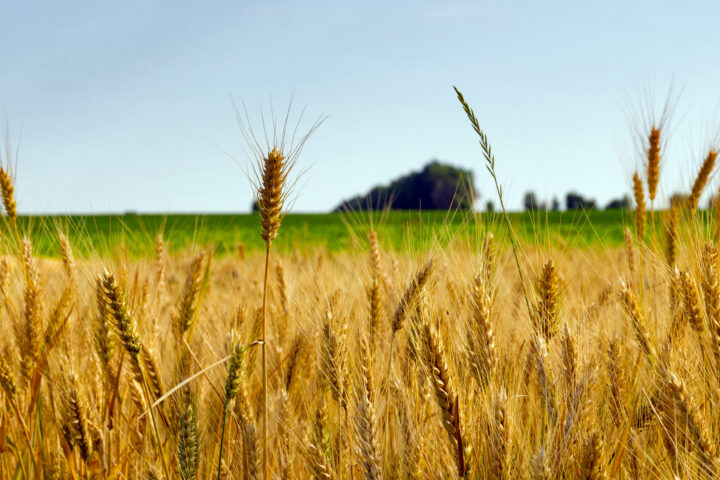
Une lutte contre l’édition génomique avec des armes du passé
Le Conseil des États souhaite autoriser l’édition du génome dans la mesure où aucun matériel génétique étranger n’est introduit dans de nouvelles variétés végétales dans le cadre de cette technique. Cette décision déclenche la consternation chez les opposants au génie génétique. Mais il suffit de s’intéresser à leurs arguments peut constater qu’ils luttent avec des armes appartenant au passé.
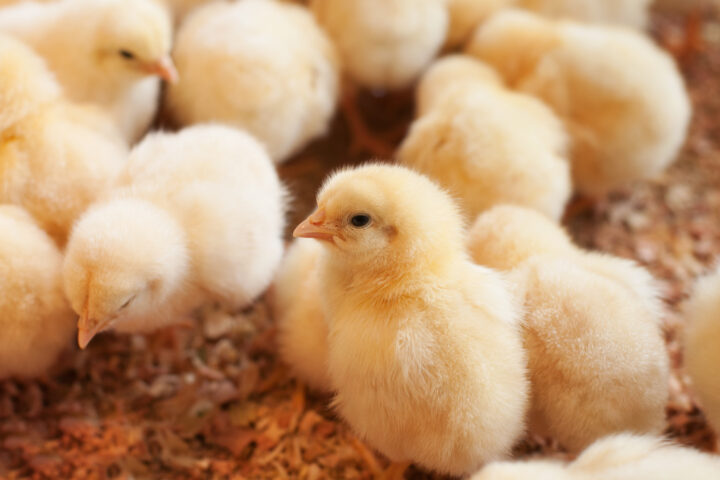
L’édition génomique au service du bien-être animal
Des chercheurs britanniques ont pu créer des portées unisexes de souris grâce à l’édition du génome. Cette même technique devrait à l’avenir permettre d’élever uniquement des poussins femelles. La mise à mort des poussins mâles pourrait ainsi être évitée. Mais encore faudrait-il que l’édition du génome soit homologuée dans la sélection animale.
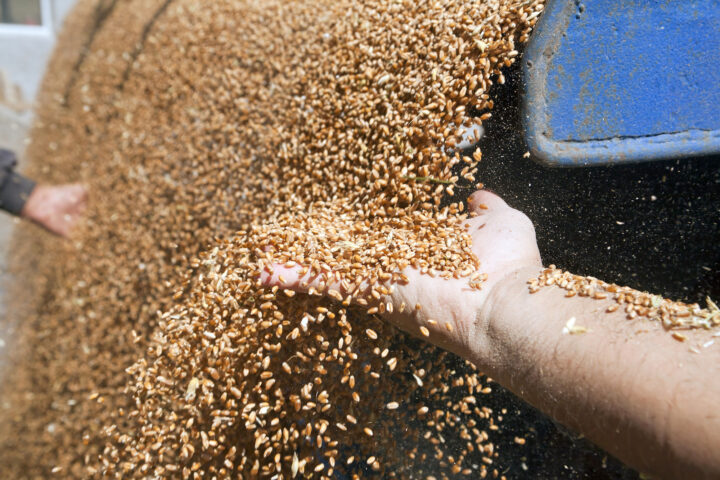
Agriculture européenne: «Garder une vision mondiale»
Les entretiens sur l’agriculture organisés par Bayer en coopération avec le journal «agrarzeitung» ont abordé la question de la sécurité alimentaire en Europe et celle de la durabilité en agriculture. Il est apparu que l’Europe ne pouvait pas être considérée isolément. Tout changement dans la production européenne a des répercussions dans d’autres régions du monde.

Une nouvelle vie pour des terres arables inutilisables
Les terres arables fertiles sont des ressources très précieuses. Il est donc essentiel que les terres arables dégénérées redeviennent fertiles. La technologie est là, mais son application nécessite des incitations économiques.
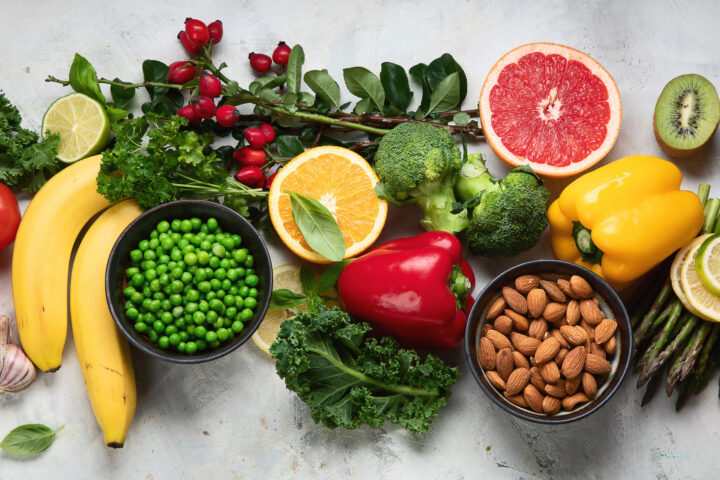
L’alimentation peut-elle être à la fois saine et durable?
Existe-t-il un menu qui puisse à la fois répondre aux besoins nutritionnels de notre organisme et qui soit durable? La réponse est oui, mais elle est plus complexe. C’est ce que révèlent des recherches menées par le portail en ligne «Heidi.news» et la «Sonntagszeitung».
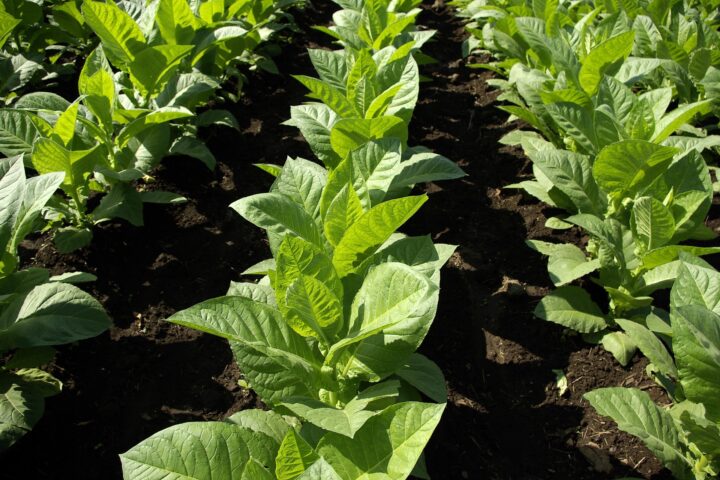
Le premier vaccin à base de plantes contre le coronavirus
Au bout d’un an de recherche et de développement seulement, les premiers vaccins contre le Sars-Cov-2 ont reçu une autorisation de mise sur le marché. Les vaccins à ARNm sont les plus efficaces. En revanche, leur production est relativement chère et ils doivent être stockés à une température constante de -70° Celsius. Une entreprise canadienne poursuit avec succès une approche alternative: elle utilise des plantes de tabac pour produire le vaccin.

Les produits végétariens ont mauvaise réputation auprès des consommateurs
Un grand nombre de consommatrices et de consommateurs considèrent les produits végétariens comme moins sains et plus nuisibles à l’environnement que la viande. C’est ce que révèle une étude de l’EPF de Zurich. Cette attitude de rejet se reflète également dans les achats. Les produits végétariens restent des produits de niche.
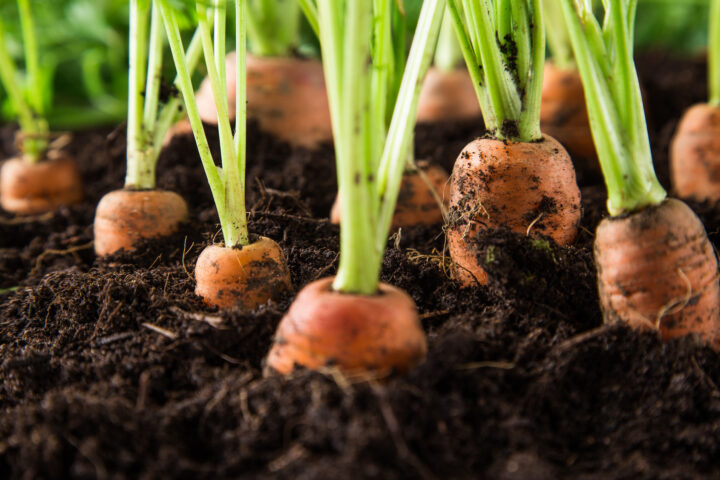
Les carottes et les oignons suisses sont une denrée rare
La Suisse risque de manquer de carottes et d’oignons locaux d’ici le printemps en raison des mauvaises conditions météorologiques de l’été dernier. Les légumes de garde ont été plantés trop tardivement. Les stocks se vident.
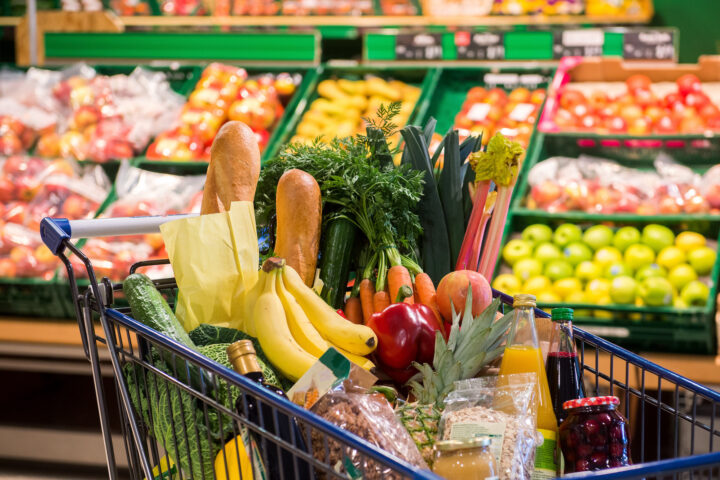
De nombreux aliments coûtent de plus en plus cher
Les faibles récoltes de l’été passé ont des répercussions qui continuent de peser en ce début de nouvelle année. La hausse des prix des matières premières entraîne parfois des hausses de prix notables dans les magasins. Les produits laitiers et les produits à base de blé comme le pain et les pâtes sont particulièrement concernés.
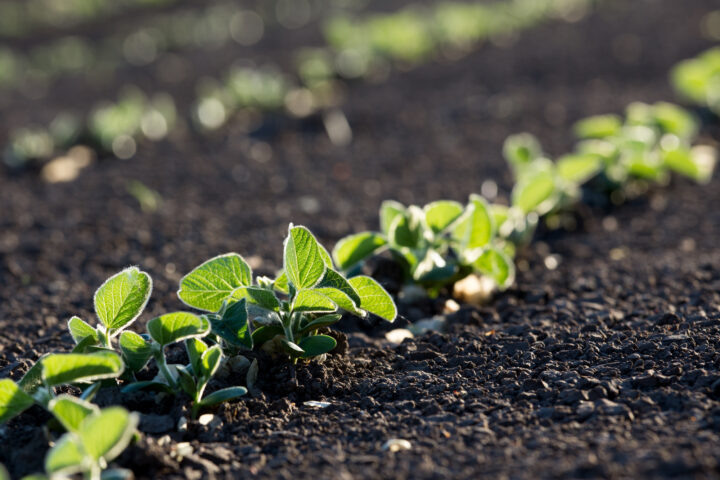
Une Prix Nobel favorable aux ciseaux génétiques pour la sélection végétale
Dans un article d’opinion publié dans la «Frankfurter Allgemeine Zeitung», Christiane Nüsslein-Volhard, lauréate du Prix Nobel, plaide en faveur des ciseaux génétiques CRISPR-Cas9 dans la sélection végétale – y compris pour l’agriculture biologique. Selon elle, l’édition génomique offre en effet de nombreux atouts pour la protection de la nature et des espèces.

Les alternatives à la viande sont encore trop chères
Lors du «veganuary», les substituts de viande font l’objet d’une promotion importante. Mais ils sont souvent beaucoup plus chers que les produits originaux à base de viande véritable.
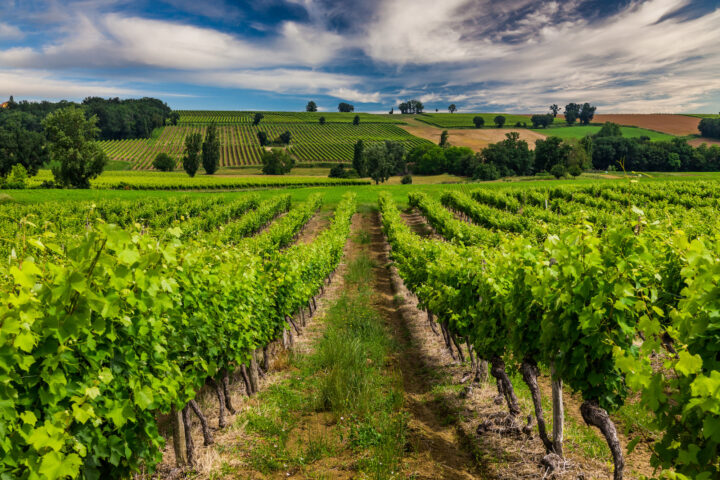
Des viticulteurs français plaident en faveur de nouvelles méthodes de sélection
Afin de conférer aux cépages traditionnels des résistances aux maladies et à la sécheresse, des vignerons français revendiquent l’autorisation des nouvelles technologies génomiques dans la vigne. Plutôt que de se lancer dans de laborieuses procédures pour cultiver de nouvelles variétés de raisin, ils préconisent de recourir aux ciseaux génétiques pour optimiser les cépages appréciés des consommateurs.
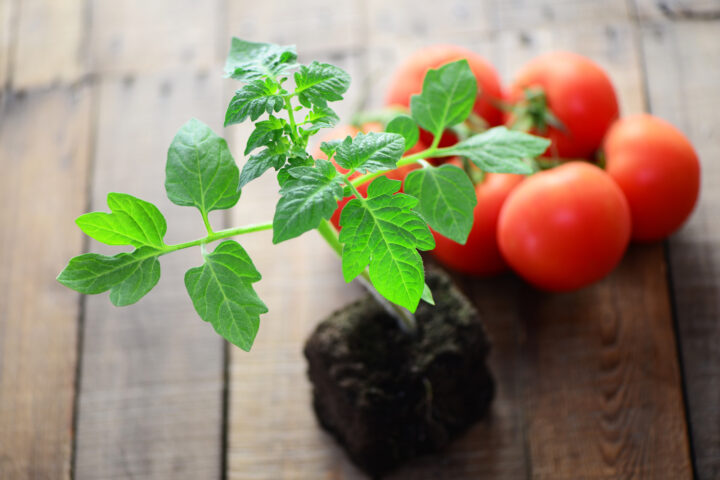
Dix applications de nouvelles technologies de sélection pour la Suisse
L’été 2021 a montré à quel point une pluie persistante peut nuire aux cultures. Avec le changement climatique, le risque d’être confronté à des conditions météorologiques extrêmes va encore augmenter. Les agriculteurs ont donc besoin de variétés de plantes améliorées, capables de résister aussi bien à la chaleur qu’à l’humidité.
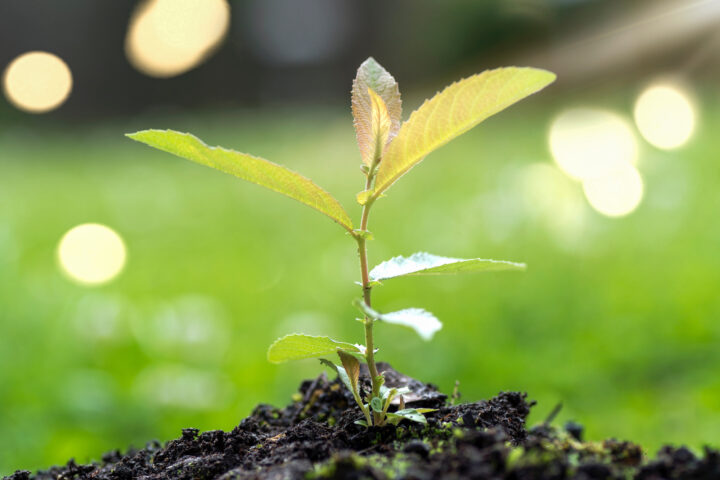
Les agriculteurs suisses s’ouvrent aux nouvelles technologies
Les agriculteurs suisses sont soumis à une forte pression. Les risques liés à l’utilisation de produits phytosanitaires doivent être réduits de moitié d’ici 2030. En parallèle, les récoltes doivent rester à la hauteur. L’édition génomique, par exemple, permet d’utiliser moins de pesticides et même d’augmenter les rendements.
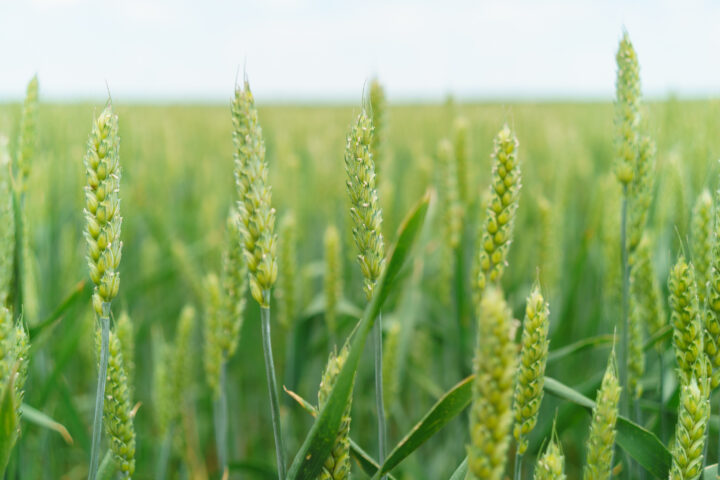
Les détaillants s’intéressent à l’édition du génome
Ce qui semblait impossible récemment encore est désormais un fait. Les détaillants suisses tels que Coop et Migros, ainsi que la coopérative agricole Fenaco, n’excluent plus d’intégrer des produits issus de nouvelles méthodes de sélection. En raison du changement climatique, des variétés de plantes résistantes aux nouvelles conditions sont requises.
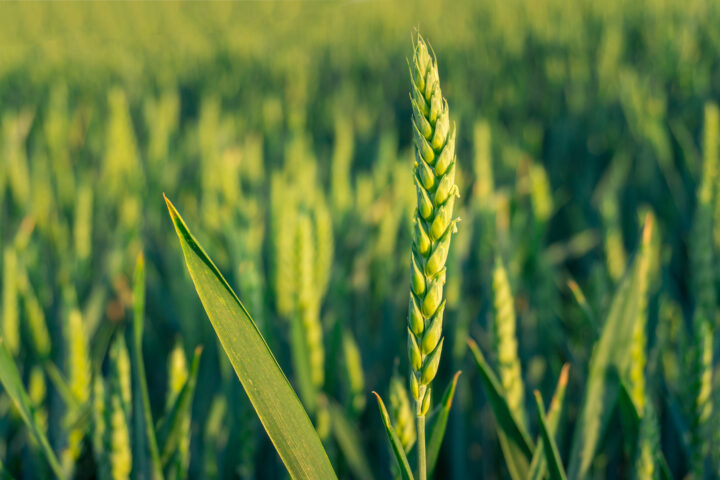
Débat sur le génie génétique: le vent tourne
La politique et l’économie accueillent de plus en plus favorablement les nouvelles méthodes de sélection, telle l’édition génomique. Cette ouverture aurait été encore inconcevable jusqu’à récemment. L’évolution des mentalités a été rendue possible grâce aux voix de la science, qui sont lentement entendues. Même des ténors des Verts ne ferment plus la porte au débat sur les nouvelles méthodes de sélection.
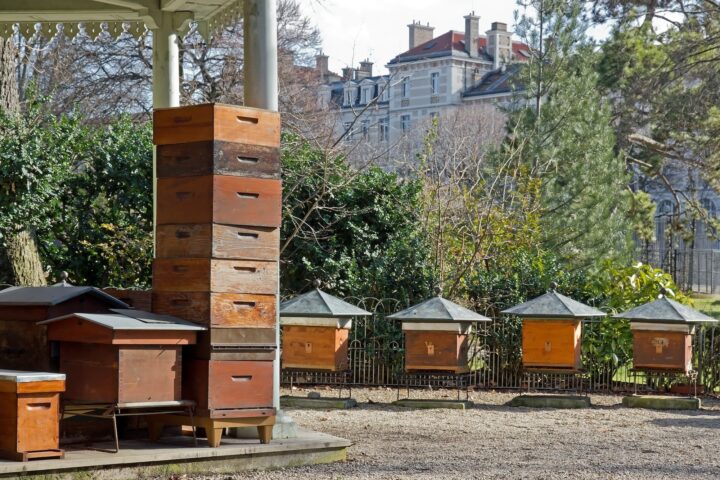
L’apiculture urbaine met en danger la biodiversité
L’apiculture est en plein essor dans les villes suisses. Les citadins souhaitent ainsi contribuer à la préservation de l’abeille domestique. Pourtant, une étude de l’institut de recherche WSL montre que l’apiculture de loisir n’est pas durable. Elle menace la biodiversité dans les villes, les abeilles domestiques remplaçant de plus en plus les insectes sauvages.
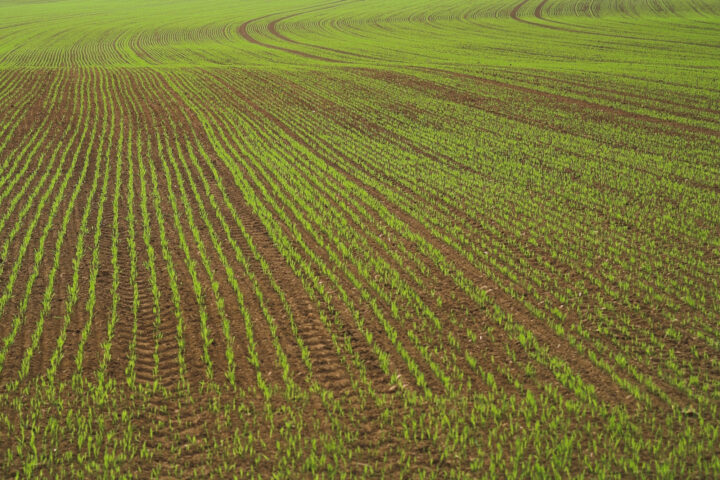
La guerre en Ukraine menace les semis
Pour récolter, il faut semer. La guerre en Ukraine menace les semis d’importantes cultures et met en péril l’approvisionnement alimentaire mondial. Si les combats s’étendent à l’ouest du pays, les pertes de récolte risquent d’être considérables, avec des conséquences désastreuses sur d’autres régions du monde. Les prix des aliments augmenteront en raison des pénuries.

La Suisse doit importer plus de céréales panifiables
L’association de branche Swiss Granum a demandé à la Confédération de relever le contingent d’importation de céréales panifiables. Les pertes de récolte de l’année dernière et les stocks en Suisse ne suffiront pas pour répondre à la demande de 2022.

« Nous sommes déjà en pleine crise de l'approvisionnement en céréales »
Depuis 2016, Werner Baumann dirige le groupe agro-chimique et pharmaceutique allemand Bayer. En entretien avec la «NZZ», il explique rapidement ce que signifie la guerre en Ukraine pour son entreprise et pour l'approvisionnement alimentaire.
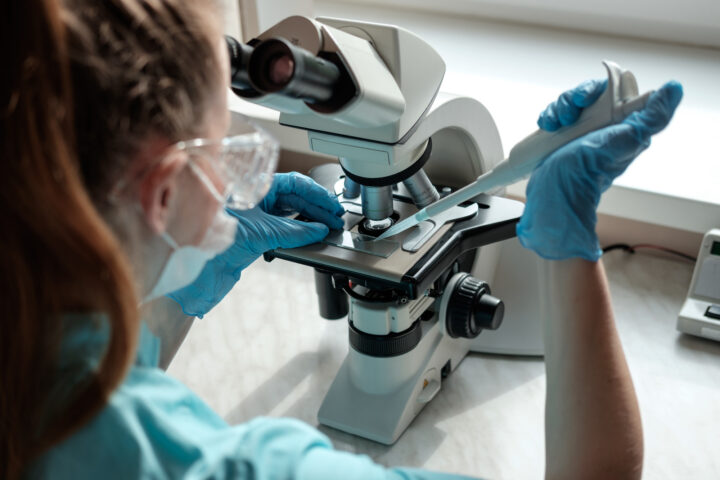
Brevets : la Suisse fait la course en tête
Le nombre de demandes de brevets est un indicateur important de la capacité d’innovation d’un pays. Aucun autre pays que la Suisse ne compte autant de demandes de brevets par habitant. Aujourd’hui comme demain, la Suisse devrait continuer de prendre soin de son cadre favorable à la recherche.
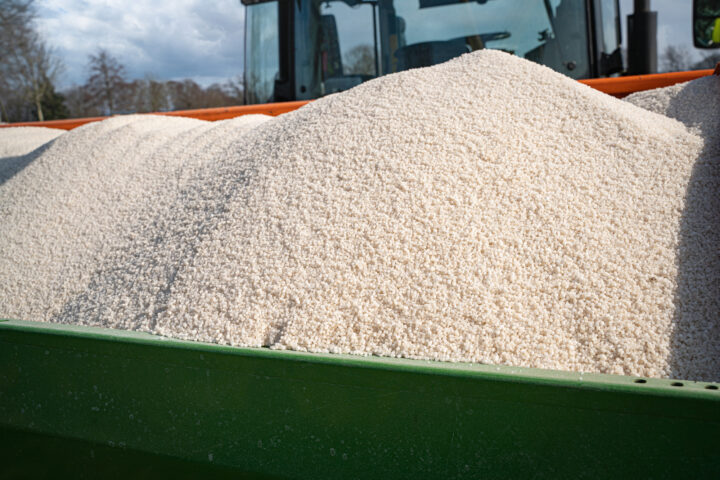
Vers une pénurie d’engrais chimiques
La guerre menée par la Russie contre l’Ukraine entraîne des conséquences désastreuses pour l’agriculture mondiale. Les deux pays sont de grands producteurs de blé et la Russie fait partie des principaux fabricants d’engrais. La menace d’une pénurie d’engrais plane donc sur les pays européens, qui entendent y remédier en utilisant davantage de lisier. L’exemple du Sri Lanka illustre parfaitement les dégâts que peut causer une pénurie d’engrais synthétiques.
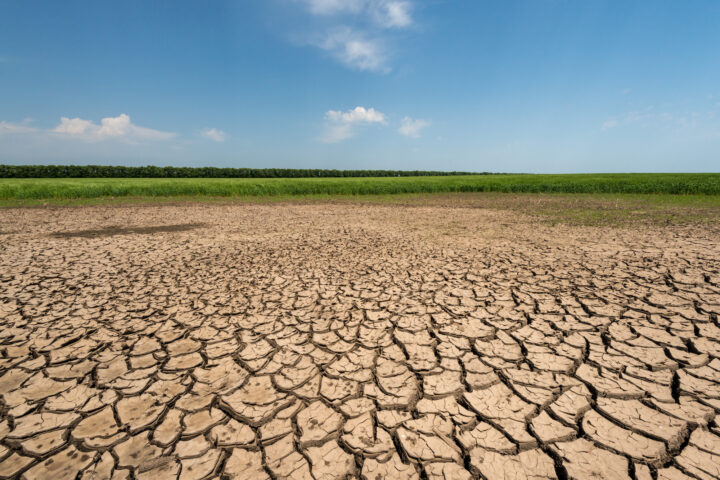
Comment nous restaurerons les terres agricoles
De l’agriculture dépendra que les générations futures aient de quoi se nourrir. Il appartient aux agriculteurs de tout mettre en œuvre pour la production des denrées alimentaires.
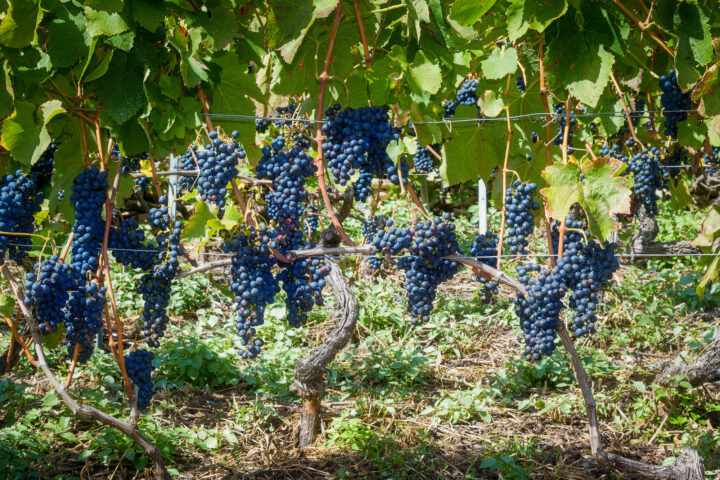
Viticulture: les cépages Piwi ont eux aussi besoin d’être protégés
L’été humide 2021 a causé d’importants dommages dans les vignobles suisses. Les maladies fongiques telles que le mildiou ont notamment mis les vignes à rude épreuve. Une enquête réalisée par les stations viticoles cantonales en Suisse alémanique a révélé que les cépages Piwi sont également touchés par le mildiou et qu’il est nécessaire de recourir à des produits phytosanitaires pour protéger les récoltes.
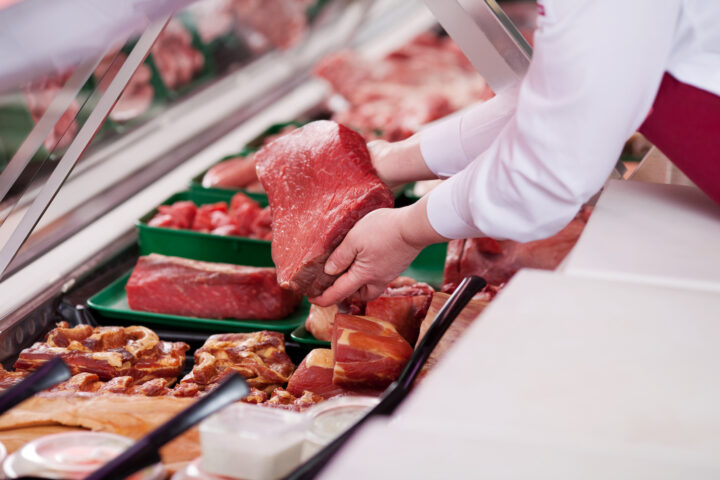
La consommation de viande bio en recul
Les Suisses achètent toujours moins de viande labellisée. Simultanément, pour la première fois depuis longtemps, la consommation de viande est repartie à la hausse. C’est ce qui ressort d’une analyse du Schweizer Tierschutz (STS).
La guerre alimentaire
Les céréales d’Ukraine nourrissent quelque 400 millions de personnes dans le monde, en particulier en Afrique du Nord et au Proche-Orient. L’Organisation des Nations Unies pour l’alimentation et l’agriculture (FAO) a beau tirer la sonnette d’alarme, le monde politique européen ne donne pas encore la priorité à la sécurité alimentaire de la population mondiale.
Less crop protection in 2020, probably more in 2021
The federal figures for the volume of plant protection products sold in 2020 offer a contradictory picture: total sales figures for plant protection products have continued to decline. In 2020, 1930 tonnes of plant protection products were sold in Switzerland in total. There was an increase in the sale of plant protection products permitted for use in organic farming. This also includes substances that pose a considerable risk.
Poor potato harvest in 2021 leads to imports
The 2021 potato harvest looks poor. The miserable weather affected the tubers and led to large harvest and quality losses in some cases. This also affects the production of chips and french fries. In addition, more potatoes are being imported.
When copper no longer helps
The wet summer in 2021 led to losses of as much as 80 percent for potato farmers. Organic farms were hit especially hard. Even the massive use of copper was unable to save harvests in many cases.
Food waste is harmful to the environment and to the wallet
In the Swiss food chain – from producers to consumers – considerable amounts of food are lost each year, which would still be perfectly suitable for consumption.
Animal feed: Domestic rapeseed instead of imported soy
The protein-rich press residues of rapeseed would be ideally suited as feed for livestock with the help of "genome editing". Instead of imported soy, domestic rapeseed could be fed to animals.
Glyphosate offers many advantages
Glyphosate is the best-studied herbicide in the world. It is mainly used in agriculture to help farmers efficiently and cost-effectively remove unwanted vegetation from fields before sowing.
Seven years of cutting-edge research – with the handbrake on
In its February 5 issue, the “BauernZeitung” newspaper looked at the only facility in Europe where field research involving genetically modified plants can be carried out.
You can't do without healthy, high-quality food from Switzerland
At the Swiss-Food Talk, three recognised experts gave answers to current questions in connection with a healthy, sustainable diet. And made an appeal to common sense.
Inhalt auf Deutsch
Environmental benefits of precision agriculture
Innovations and technology are changing our lives – and also the productivity of agriculture. However, as an American study shows, precision farming not only increases yields, but also benefits the environment. The sustainability of agriculture is increasing.
Challenges and opportunities of sustainable agriculture
Tomorrow's agriculture must produce more efficiently. And at the same time protect the climate and biodiversity. At the Swiss-Food Talk, three renowned, independent experts spoke about the challenges and opportunities of tomorrow's sustainable agriculture.
Inhalt auf Deutsch
Risk management rather than paralysis
Europe struggles with risk management. Rather than weighing the benefits and risks of technologies, it focuses mainly on a cautious approach.
Agricultural initiatives: Counterproposal goes too far
In an effort to lower the risks of pesticide use, the Economic Affairs Committee of Switzerland’s Council of States has put forward a parliamentary initiative entitled “Reducing the Risks of Pesticide Use.”
Do without Swiss rapeseed oil?
Rapeseed is the most important Swiss oil crop and it continues to gain in importance. Unpopular palm oil imports are increasingly being replaced by Swiss rapeseed oil.
Don’t stifle research and innovation
Whether it’s 5G, the coronavirus vaccine or genetic engineering, there is a lot of resistance to new technologies at the moment.
The Federal Council’s obstructionist policy is harming Switzerland
At the end of June, the Federal Council published a message about the Gene Technology Act. In principle, the existing moratorium is to be extended until the year 2025.
Finally, a golden age for golden rice
The World Health Organization (WHO) estimates that worldwide, as many as 500,000 children go blind every year due to a lack of vitamin A. Roughly half of them die within 12 months of losing their sight. This miserable situation could be greatly eased if the affected children had access to an inexpensive, everyday food containing an adequate amount of vitamin A.
Tomatoes: From «water bomb» to aromatic fruit
The diversity of commercially marketed tomato varieties is greater today than ever before. This has to do in particular with the breeding of new varieties.
Risks to Swiss food security
Despite the Covid 19 pandemic, food security in Switzerland was guaranteed at all times. Still, we should not feel a false sense of security.
Using CRISPR/Cas9 to fight potato blight
The Nobel Prize-winning CRISPR/Cas method now makes it possible to breed resistant varieties and may reduce the use of pesticides in agriculture.
Report the invasive Japanese beetle immediately!
The voracious Japanese beetle is threatening to spread in Switzerland. It was introduced to Switzerland four years ago and was first discovered in the canton of Ticino. To prevent the spread of the pest, the Agroscope research centre is working together with the people of Ticino. An innovative tool is being used to enable the rapid reporting of any discoveries of the Japanese beetle.
«For food security, we need genuine Swiss production»
When crops are drowning in water, and when they can’t be planted or harvested, food security becomes a pressing issue – especially when we seem to be in a disaster movie, given the news reports of out-of-control wildfires, droughts and destructive floods. In normal circumstances, anything that isn’t produced in sufficient quantities in Switzerland, or not at all, is imported.
«Overcoming the urban-rural divide with constructive agricultural policy»
Yes, there is indeed an urban-rural divide in Switzerland: Three quarters of the Swiss live in the 49 agglomerations and their core cities. For the most part, they have lost contact with the rural population - and even more so with agriculture.
Inhalt auf Deutsch
«We protect what we use»
In fact, nature is in a constant state of change. And man has always shaped nature. Thus, many alpine meadows with their rich biodiversity only came into being thanks to clearing by our ancestors for the purpose of agricultural use.
Prices for fruit are rising
The icy spring as well as the storms of recent weeks have led to some massive crop losses among European farmers. The consequences of this are rising fruit prices at the start of the summer. In fall, vegetables could also become more expensive.
Moratoria also damage research careers
Researchers are losing access to Horizon Europe. Restoring it is a top priority. But Switzerland also has it in its own hands to enable attractive new fields of research instead of blocking them.
Inhalt auf Deutsch
Resource wear instead of regional production
On 13 June, the Swiss voters voted in favor of productive agriculture and against technology bans. They want regional food at affordable prices in the future. However, Switzerland is moving in the wrong direction with the unofficial counter-proposal under discussion on the two rejected agricultural initiatives. Disproportionate new hurdles in the authorization of plant protection products are threatening farmers with failed harvests. The environment and climate are not helped.
Downgraded wheat and infested fruit
For a number of crops, this past summer’s bad weather has led to poor harvests. Wheat has been particularly affected. As much as 90 percent of the harvest, depending on the region, has had to be downgraded.
More organic does not mean more biodiversity
According to a team of researchers at the University of Göttingen, the key to more biodiversity lies in a landscape mosaic of natural habitats and small and diverse areas of cultivation.
CO2 reduction with alternative artificial fertiliser
The two agrochemical producers Bayer and Syngenta are investing in an American start-up whose technology can massively reduce the use of nitrogen fertiliser.
Inhalt auf Deutsch
Eastern Switzerland's Wine Harvest: It is not possible without plant health protection
The summer of 2021 will probably remain in the memory of the Eastern Swiss winemakers for a long time to come. The wet cold weather with hail storms causes major crop failures.
«Understanding nature’s mechanisms better»
Crops need to be protected in both intensive and organic farming. The agroecosystem needs to be better understood if fewer chemicals are to be used in the future. People will have to be open to new approaches, such genetic engineering.
«Agriculture plays a major role»
An internet search for «sustainable agriculture» yields 301 000 hits. One of them is Article 104 of the Swiss Federal Constitution, according to which the federal government must ensure «sustainable and market oriented production.» Another is by the Swiss Federal Department of Foreign Affairs, which presents the United Nations Sustainable Development Goals, including Goal 2: «End hunger, achieve food security and improved nutrition and promote sustainable agriculture.»
Openness to gene editing if it offers concrete benefits
The public is very open to the use of innovative technologies in agriculture. This also applies to targeted plant breeding using modern methods like gene editing.
«Research and work place needs impetus»
In the current autumn session, the topic of gene technology is once again on the political agenda - it will be discussed in the National Council on 23 September. Those who believe that the successful use of the technology for the production of Covid vaccines will lead to an easing of the discussion are mistaken.
Inhalt auf Deutsch
Genome editing for livestock farming
More than 800 animal scientists met recently at the annual meeting of the European Federation of Animal Science (EAAP) in Davos, Switzerland, to discuss challenges and solutions relating to the future of livestock breeding and farming.
Prices for pasta are on the rise
Poor weather conditions led to poor wheat yields around the world. This has an impact on products like pasta, couscous and bulgur: they cost significantly more.
Insect-resistant SmartStax maize does not harm water fleas
Farmers around the world are growing pest-resistant varieties of maize that contain additional genes that protect them against damage caused by insects.
Tomatoes with high amino acid content
Gene-edited tomatoes have recently become available on the market in Japan. They were modified using the CRISPR/Cas9 precision breeding technique.
Optimising nature
The romanticized conception of “natural” is deceptive. Very little of what we eat today developed naturally. “For 12,000 years, people have selected plants based on their characteristics, in an effort to make them edible and more productive,” says Bruno Studer, professor of Molecular Plant Breeding at ETH Zurich. Agriculture has developed through artificial selection.
Swiss farmers can no longer protect their crops
There is great uncertainty. Nobody knows how to guarantee the protection of crops in the future. There are hardly any approved active substances available that can be used to fight pests and fungal diseases.
A year of famine without pesticides
The year the prohibition against pesticides was put to a vote in Switzerland domestic farmers faced extremely severe weather conditions.
Productive agriculture helps the climate and biodiversity
There is a common belief that organic farming is good for the climate and that it promotes biodiversity. However, this notion is increasingly be proven incorrect.
Opportunities for start-ups in the agri-food sector
From a technological point of view, there is no reason why Switzerland should lag behind current hotspots such as Singapore or Israel in the field of agri-food tech. Nutrition is above all a question of innovation.
Canton of Zurich: Up to 90 percent fewer grapes
The wet summer had a disastrous impact on the grape harvest. Conditions were ideal for mildew and other diseases and pests. In the canton of Zurich, the grape harvest was 50 percent smaller than usual.
An innovation hub for cultured meat
Migros, Bühler and Givaudan are launching an innovation hub for cultured meat. A pilot facility in Kemptthal (canton of Zurich) is moving forward with the development and marketing of lab-grown meat.
«An area one and a half times the size of the EU»
The world’s population will increase to roughly 10 billion by 2050. Urs Niggli is therefore convinced that we need to make more productive use of existing land. This also means using gene editing.
Making vanilla flavoring out of plastic waste
Using bacteria, researchers in Scotland have succeeded in making vanillin out of plastic waste. This opens up the possibility of transforming plastic waste into a product that is in demand all over the world, thereby benefiting both the environment and food producers.
Drought-tolerant maize as a response to climate change
Climate change poses increasing challenges for agriculture. Plant breeding is therefore working at full speed to develop varieties with better resistance to environmental stress.
Inhalt auf Deutsch
«Who is afraid of the evil GMOs?»
Modern genome editing is not the devil's work, but the logical continuation of mutation and mutagenesis in plant breeding. Plant geneticists modify the genetic material with the «gene scissors» CRISPR/Cas so precisely that one also speaks of «gene surgery».
Inhalt auf Deutsch
The rain, the vines and the robbers
2021 was a year for many winemakers to forget. Without crop protection, it will likely be difficult for the production of wine in Switzerland.
Climate change: lower harvests starting as early as 2030?
Climate change affects the quality and quantity of harvests. According to a recently published study, there is a risk of significantly lower maize harvests as early as the mid-2030s. Africa and South America are primarily affected. However, Europe must also be careful that agricultural production is not neglected.
The temptation of the popular
Agriculture is one of the first victims of climate change. At the same time, it causes a significant share of global greenhouse gases. New technologies are the key to minimising the problem. But experts in particular are finding it increasingly difficult to recognise innovations as a solution to climate change.
Inhalt auf Deutsch
Bio-dynamic agriculture
According to its own definition, biodynamic agriculture is a comprehensive, holistic organic cultivation method without artificial fertilizers or chemical synthetic pesticides. «Agriculture Course» by Rudolf Steiner in Koberwitz in 1924 forms the basis of the constantly evolving method. It is essentially about understanding «life» in its diversity and promoting it holistically.
Organic pesticides
Organic agriculture is also dependent on the use of pesticides (plant protection products and biocides). More than 40% of the pesticides sold in Switzerland are approved for organic farming. Four organic pesticides are among the ten best-selling plant protection products in Switzerland. Many of the plant protection products used by organic farmers are not of direct natural origin. All copper salts used in organic farming are produced synthetically.
«Modern pesticides can help fight climate change»
It’s estimated that we will need to grow 70% more food by 2050 to feed the 10 billion people who will be inhabiting our planet. But many public policy makers seem to assume that the agriculture industry has largely solved the extraordinarily complex problem of producing a healthy, abundant and secure food supply.
Sustainable nutrition with algae
The greatest challenge facing today's agriculture industry is to produce healthy foods that do not place undue stress on the planet. Algae could one day represent an important piece of the puzzle in food production.
Does the world even need genome-edited plants?
This question is often raised by opponents of modern breeding methods. As is almost always the case: The market provides an answer. And it looks pretty clear.
Less honey - rising prices
The cold spring and wet summer had a massive impact on bees and honey production. Compared to last year, harvest volumes have really collapsed this year. Swiss honey is becoming a scarce commodity and prices are likely to rise.
Inhalt auf Deutsch
“Different Rules for Genome Editing Are Welcome”
The Swiss Federal Council and the National Council of Switzerland want to put new cultivation methods under the existing GMO moratorium. A majority of the SECC-S decided on Tuesday that the cultivation of genome-edited plants is to be permitted subject to requirements. We discussed this decision with Jan Lucht, an expert on biotechnology from scienceindustries.
Honey bees not on brink of extinction
For about 15 years now, the story of alleged colony collapse disorder has persisted in the media, often attributed to pesticides and genetically modified plants. There is increasing evidence, however, that worldwide honey bee populations remain stable or are even growing.
Insects: The protein source of tomorrow?
Insects have long been considered the superfood of the future. They are rich in protein, require less land and water, and have a better carbon footprint than conventional meat.
Everything that claims to be “free from pesticides” is not always the best solution
In the Indian state of Sikkim, it has been forbidden to use synthetic pesticides and chemical fertilizers since 2016. Western media outlets have been happy to quote this example as proof that switching to completely organic farming works. This does not, however, tell the whole story.
Broad alliance for modern breeding methods
The signal effect could not be greater. The label organization IP-Suisse, the fruit, vegetable and potato producers, the agricultural cooperative Fenaco, the large retailers Coop and Migros and the consumer forum have recently joined forces under the name "Varieties for tomorrow".
Swiss bread without Swiss grain?
Due to the exceptionally wet summer, the 2021 bread grain harvest will also be poor. Both - the quantity and quality of bread wheat - have suffered severely. To secure the bread supply, import quotas had to be applied for from the Federal Government. More imports are necessary.
Fighting against genome editing with yesterday’s weapons
The Council of States (upper house of the Federal Assembly of Switzerland) intends to allow genome editing provided that no foreign genetic material is inserted into new plant varieties through this method. The decision is causing consternation among genetic engineering skeptics. But you only have to look at their arguments to see that the opponents of genetic engineering are fighting with yesterday’s weapons.
Genome editing for animal welfare
British researchers were able to use genome editing to create single-sex litters in mice. In the future, the same technique could also be used to specifically breed only female chicks. This would prevent the killing of male chicks. But to do this, genome editing would also have to be permitted in animal breeding.
European agriculture: "Keeping an eye on the global framework"
Food security in Europe and sustainability in agriculture were topics of discussion at Bayer's agricultural talks in cooperation with the "agrarzeitung". The following issues became clear: Europe cannot be viewed in isolation. Every change in European production has an impact on other regions of the world.
A new lease on life for unusable farmland
Fertile farmland is one of the most valuable resources in the world. It is vital that degraded agricultural land is restored and made fertile once more. The technology already exists, but financial stimuli are needed to make it happen.
Can nutrition be healthy and sustainable at the same time?
Is there a menu plan that is good for our bodies and sustainable at the same time? The answer is yes, but it is also complex. This is the result of research on the online portal “Heidi.news” and the “Sonntagszeitung”.
First plant-based corona vaccine
After just one year of research and development, the first vaccines against Sars-Cov-2 have received approval. The mRNA vaccines are the most effective. However, their production is relatively expensive, and they must be stored constantly at temperatures as low as -70 degrees Celsius. A Canadian company is successfully pursuing an alternative approach: it is using tobacco plants to produce the vaccine.
Vegetarian products have a bad reputation among consumers
Many consumers are of the opinion that vegetarian products are unhealthier and more harmful to the environment than meat. This is shown by a study by ETH Zurich. The negative attitude is also reflected in purchases. Vegetarian products are still niche products.
Swiss carrots and onions are in short supply
Switzerland is in danger of running out of home-grown baby carrots and onions by the spring. This is due to the poor weather conditions last summer. It was not possible to begin sowing storage vegetables until far too late. Stocks are running low.
Many groceries are becoming more expensive
The meagre harvests of last summer will have an effect well into the new year. Rising raw material prices are leading to sometimes significant price increases in stores. Dairy and wheat products such as bread and pasta are particularly affected.
Nobel laureate endorses genetic scissors in plant breeding
In an opinion piece in the Frankfurter Allgemeine Zeitung, Nobel laureate Christiane Nüsslein-Volhard argues the case for using the CRISPR/Cas9 genetic scissors in plant breeding, even in organic farming. In her view, genome editing brings numerous benefits, especially when it comes to nature conservation and species protection.
Meat alternatives still too expensive
Meat substitutes are being prominently advertised during "Veganuary". However, these are often much more expensive in the store than the original products made of real meat.
French winegrowers plead for new breeding methods
In order to be able to provide traditional grape varieties with resistance to mildew and drought, French winemakers are calling for approval of genome editing in viticulture. Instead of breeding new varieties in lengthy processes, Gene Scissors can be used to optimize wine varieties that are popular with consumers.
Ten applications of new breeding technologies for Switzerland
The summer of 2021 has shown how damaging prolonged rain can be for crops. With climate change, the likelihood of extreme weather events will increase. Farmers therefore need improved plant varieties that can withstand heat but also a lot of moisture.
The wind in the genetic debate is turning
Politics and business are increasingly opening up to new breeding methods such as genome editing. Until recently, this would have been unthinkable. The change of opinion has to do with the voices from science, which are now slowly becoming heard.
Urban beekeeping is endangering biodiversity
Beekeeping is booming in Swiss cities. Urban residents want to make a contribution to the conservation of the honeybee. However, a study by the WSL research institute shows that the amateur beekeeping is not sustainable. It endangers biodiversity in cities, as honey bees increasingly displace wild insects.
War in Ukraine threatens sowing
Anyone who wants to harvest must sow. But the war in Ukraine threatens the sowing of important crops and jeopardizes the global food supply.
Switzerland needs to import more bread grain
The industry organisation Swiss Granum has applied to the Federal Government for an increase in the import quota for bread grain. Last year's domestic crop yields and stocks are not sufficient to meet this year's demand.
«We’re already in the middle of a grain supply crisis»
Werner Baumann has led the German agrochemical and pharmaceutical company Bayer since 2016. In an interview with the "NZZ", he explains what the Ukraine war means for his company and the food supply.
Patents: Switzerland leads the way
The number of patent applications is an important indicator of a country’s innovative capacity. No other country applies for as many patents per capita as Switzerland. The country should therefore continue to safeguard its ability to provide a research-friendly environment.
Artificial fertilizer is becoming scarce
The Russian war on Ukraine is having a devastating impact on global agriculture. The two countries produce large quantities of wheat for the world market. Russia is also one of the most important producers of fertilizers. These are now threatening to become scarce.
What we can do to reclaim farmland
Agriculture is responsible for ensuring that future generations have enough to eat. Farmers must make the most of every option for food production.
How plant breeding innovations are helping to feed a hungry world
As of 2019, nearly 26% of the globe’s population experienced hunger or did not have regular access to safe and nutritious food. With increasing global populations and a changing climate, this number is estimated to surpass 840 million by 2030.
Viticulture: Fungus-resistant grape (FRG) varieties need plant protection too
The wet summer of 2021 caused extensive damage to Switzerland’s vineyards. Fungal diseases such as downy mildew, in particular, took their toll on the grapevines. A survey conducted by the cantonal offices for viticulture in German-speaking Switzerland shows that FRG varieties are also affected by downy mildew and require plant protection products to protect the crop.
Consumption of organic meat declining
The Swiss are eating less and less meat that is marked with a special label. At the same time, per capita consumption of meat is increasing again for the first time in a long time. This is the result of an analysis by Swiss Animal Welfare (STS).
A war over food
400 million people worldwide are supplied with grain from Ukraine, many of them in North Africa and the Middle East. The UN's Food and Agriculture Organization (FAO) is sounding the alarm.
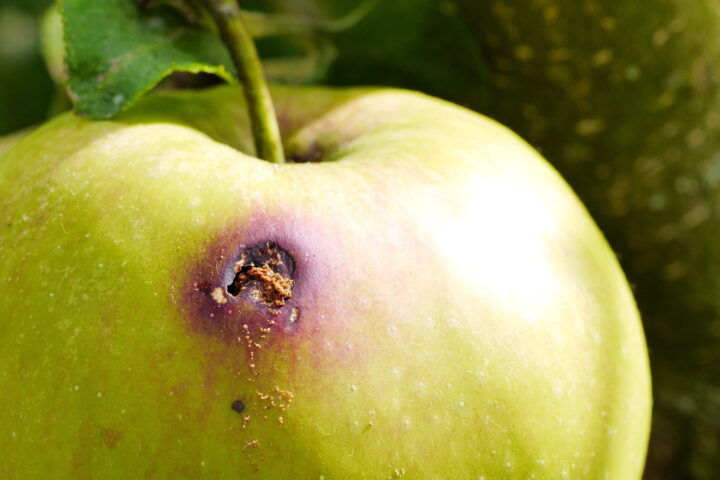
Approval backlog due to environmental organizations
Swiss farmers are less and less able to protect their crops against pests and fungal diseases. This is reported by the "Nebelspalter". The number of approved crop protection active ingredients has decreased drastically since 2005.
Inhalt auf Deutsch
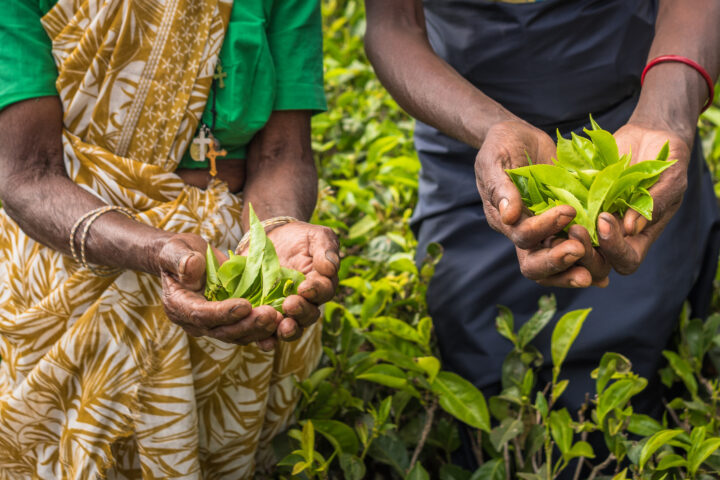
Sri Lanka: Pesticide ban with disastrous consequences
As Sri Lanka experiences its worst economic crisis in 70 years, the population is protesting against the country’s political leaders and the disastrous situation surrounding the supply of basic necessities. One significant contributing factor to this predicament is last year’s decision by the government to ban pesticides and synthetic fertilizers, which resulted in poor harvests and soaring food prices.
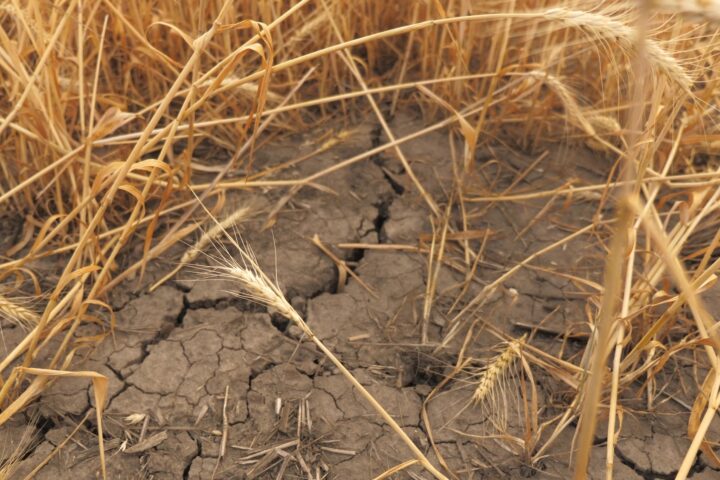
Drought-tolerant wheat from Argentina
Heat waves are posing a major challenge to cultivation around the world. Water shortages and droughts are resulting in heavy crop losses for the agricultural industry. Because droughts will be more frequent in the future, the search for plant varieties that consume less water is a top priority. One drought-tolerant wheat variety from Argentina is showing great potential.
How a Swiss start-up protects its inventions
The topic of meat substitutes is on everyone's lips here in Switzerland, as in many countries. At the forefront of Swiss manufacturers in this field is the start-up Planted, whose success is partly due to its systematic protection of intellectual property.
Lack of plant protection resulting in declining cultivation of Brussels sprouts
It is becoming increasingly difficult to cultivate Brussels sprouts in Switzerland. The areas in which they are cultivated have been shrinking for several years. The reason for this is the steadily declining number of approved plant protection products.
Supply Reliability Increasing in Importance
The Swiss are satisfied with the state of domestic agriculture. However, supply reliability has become more important. These are the findings of a representative survey that the Federal Office for Agriculture published with its Agricultural Report 2022.

Philippines: Farmers Harvest the First Golden Rice
The world’s first Golden Rice harvest recently took place in the Philippines. The rice is enriched with a beta carotene gene, which can be converted into vitamin A in the human body. The aim is to bring an end to the widespread vitamin A deficiencies in developing countries. But there has been and still is massive resistance to growing it.
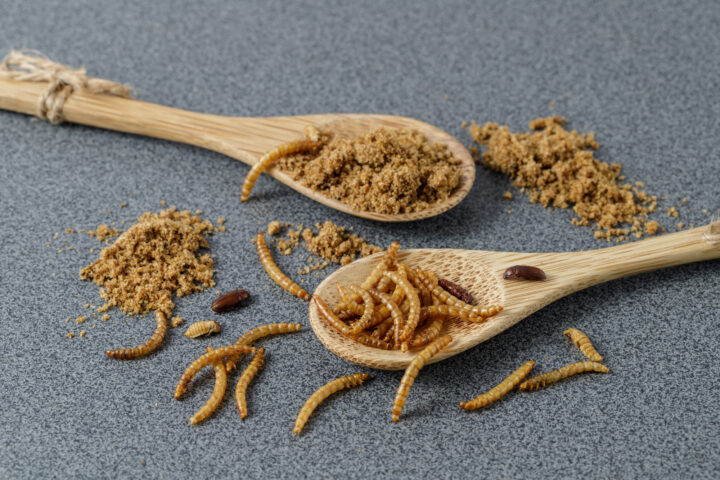
EU approves insects as a food ingredient
At the end of January 2023, the EU approved two new insect species as novel foods. For example, house crickets and lesser mealworms in specific forms may now be marketed as a food ingredient in a number of food products. Certain insects are also approved for use in food processing in Switzerland and have long been considered an environmentally friendly source of protein.

More patents for a boost in sustainable technologies
The European Patent Office reports more patent applications for 2022 than ever before. A particularly large number of patents were filed in the field of sustainable technologies - such as clean energy. Switzerland is still one of the most innovative countries in the world, ranking seventh in Europe. To ensure that this remains the case, policymakers must continue to advocate for research-friendly framework conditions in the future.
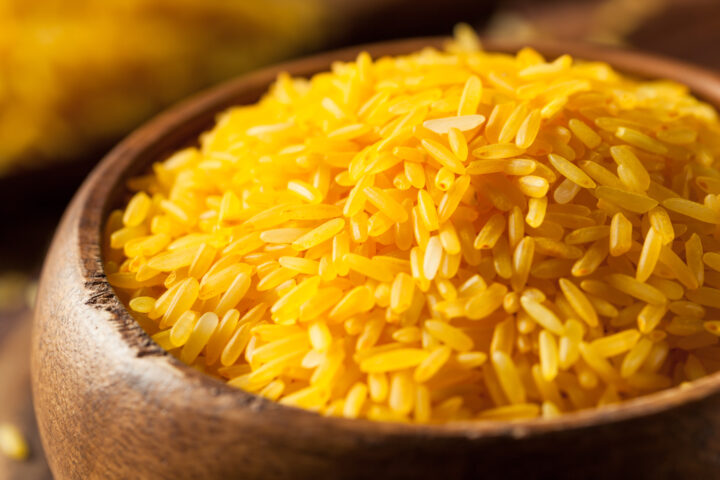
Environmental organizations put children's lives at risk
In the Philippines, the cultivation of Golden Rice has been temporarily banned. NGOs have obtained a cultivation ban based on scientifically untenable arguments. The poorest people, who could be protected from nutritional deficiencies by this rice, are the ones suffering the most. Martin Qaim, a professor of agricultural economics at the University of Bonn, strongly criticizes this renewed blockade and explains the background in the "Frankfurter Allgemeine Zeitung."